A Comprehensive Guide to Backyard Chicken
Keeping chickens on your homestead can be a rewarding and sustainable practice. Whether you are a beginner or an experienced homesteader, choosing the right chicken breeds is crucial to ensure a successful and enjoyable experience.
Let’s explore some of the best chicken breeds for your backyard, considering factors such as temperament, egg-laying capabilities, adaptability, and overall suitability for homestead living.
The Importance of Selecting the Right Chicken Breeds
The selection of chicken breeds can greatly impact your homesteading experience, from the productivity of your flock to the overall ease of care and management.
One of the primary reasons for keeping chickens on a homestead is the production of fresh eggs. Different chicken breeds have varying egg-laying capabilities, with some breeds excelling in this area.
Another crucial aspect to consider when choosing chicken breeds is their temperament. Some breeds are naturally docile, friendly, and easy to handle, making them ideal for families with children or individuals who want to interact with their flock regularly.
The size of your homestead and the available space for your chickens should also influence your breed selection. If you have limited space or live in an urban setting, you may need to consider smaller-sized breeds or bantam varieties that require less space to roam.
Top Chicken Breeds for Homesteading
Rhode Island Red:
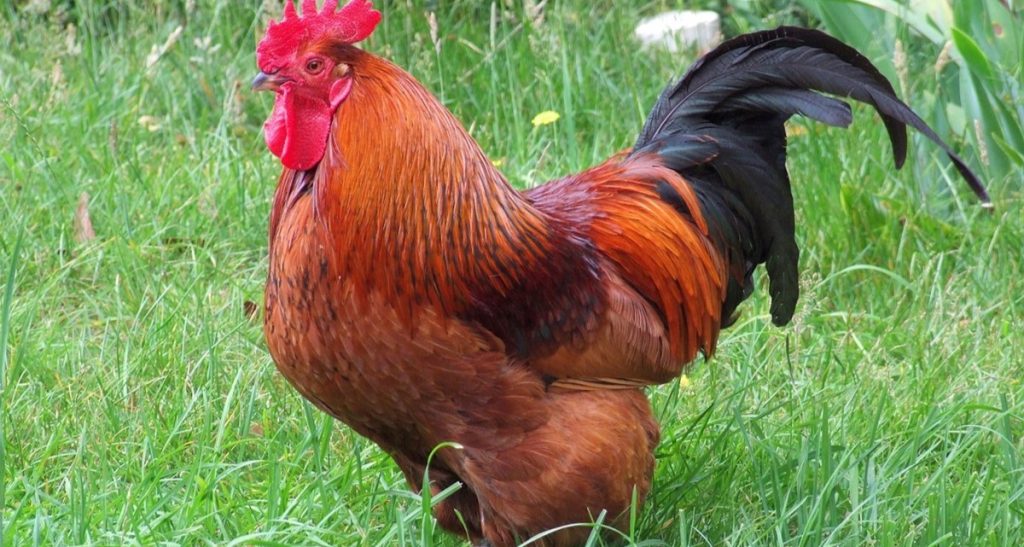
• Rhode Island Reds have red-orange eyes, reddish-brown beaks, and yellow feet and legs, often with a bit of reddish hue on the toes and sides of the shanks. Chicks are a light red to tan color.
• Excellent egg layers with high productivity with 5-7 eggs a week
• Hardy and adaptable to different climates
• Friendly and calm temperament
Plymouth Rock (Barred Rock):
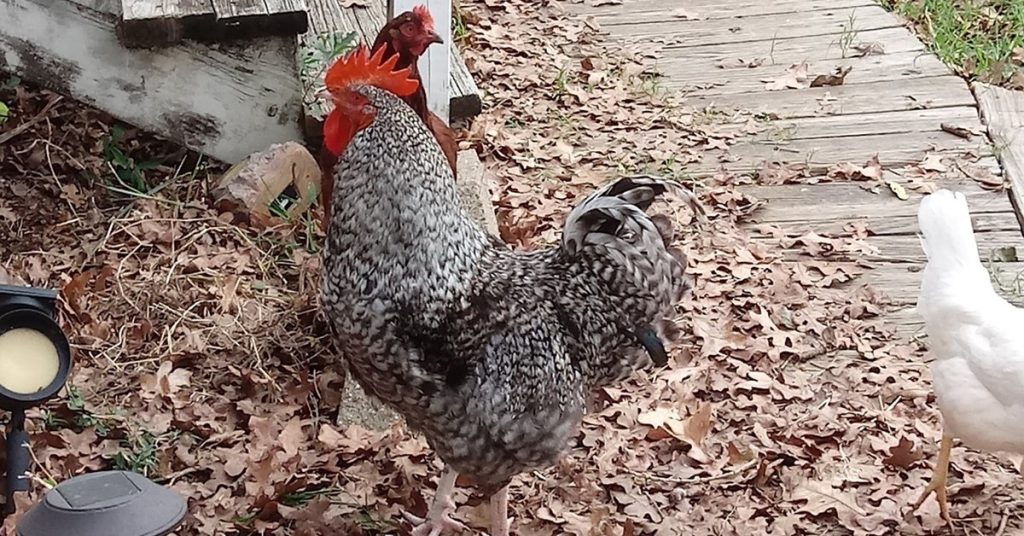
• The face of a Plymouth Rock is red with red ear lobes, a bright yellow beak, bay-colored eyes, and a single comb of moderate size.
• Dual-purpose breed (eggs and meat) with 4-5 eggs a week
• Cold-hardy and tolerant of confinement
• Gentle and docile temperament
Sussex:
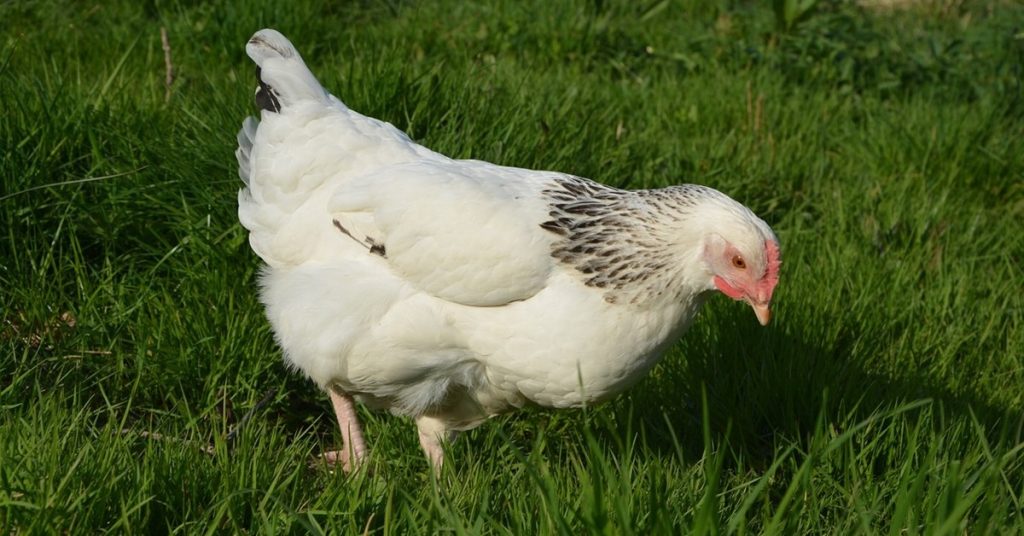
• Sussex chickens are a large, dual-purpose breed with a rectangular shape, wide shoulders and deep broad body, close-fitting feathers, white skin, whitish shanks, and four-toed feet. They have a rich red, five-pointed comb, horn-colored beak, reddish-bay eyes, and red earlobes.
• Good egg layers with about 4 eggs a week
• Versatile and adaptable to various climates
• Docile nature and ease of handling
Australorp:
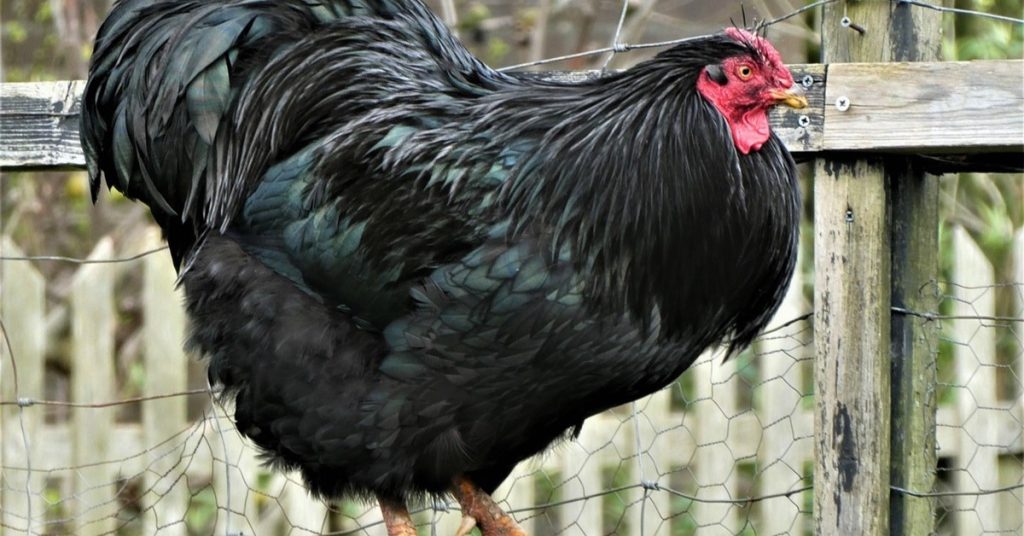
• Australorps are large and fluffy chickens. The American Poultry Association classifies them as heavy and soft-feathered birds.
• Exceptional egg production, laying 4-5 eggs a week
• Heat and cold-tolerant
• Docile and friendly temperament
Orpington:
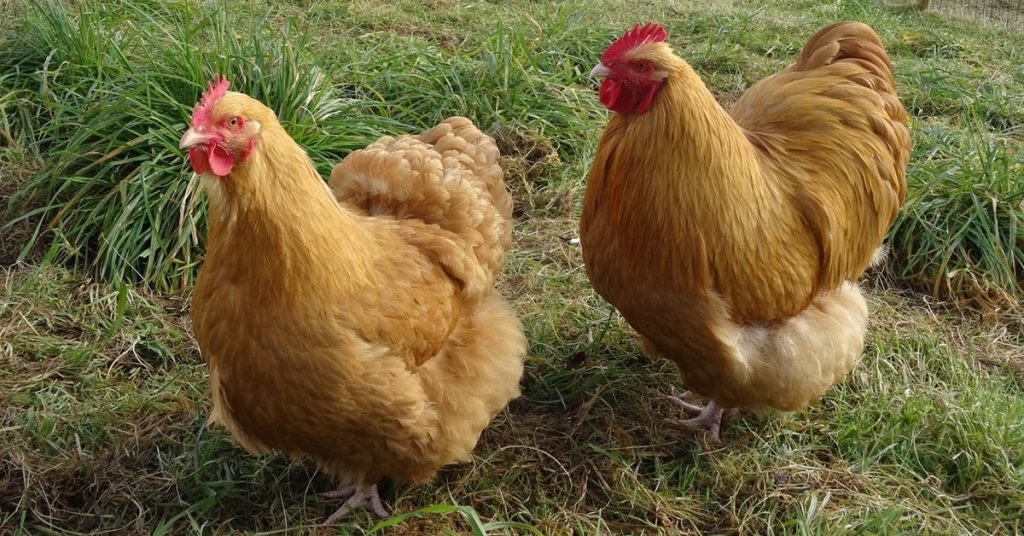
• There are a variety of colors that are available with Orpingtons: Black, Blue, Buff, and White feathers.
• Dual-purpose breed with good egg-laying abilities, laying 3-5 eggs a week
• Cold-hardy and suitable for free-ranging
• Calm and friendly disposition
Other Considerations for Choosing Chicken Breeds
• Bantam breeds for smaller spaces
• Heritage and rare breeds for preservation
• Broodiness – are they going to hatch out and care for chicks?
• The colored eggs that they lay – you can collect a rainbow of colors
Selecting the right chicken breeds for your homestead is a crucial step towards a successful and enjoyable experience. By considering factors such as temperament, egg-laying capabilities, adaptability, and overall suitability for homestead living, you can ensure that your backyard chickens thrive and contribute to your self-sufficiency goals.
Remember to provide proper care and attention to your chosen breeds to create a happy and productive flock on your homestead.