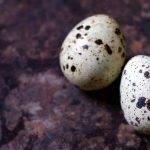
This article provides an in-depth and comprehensive overview of everything you need to know about raising and caring for chickens and quail. It covers various essential topics such as choosing the right breed, setting up a suitable habitat, feeding and nutrition, healthcare, and basic handling techniques. Whether you are a beginner or an experienced poultry enthusiast, this guide offers valuable insights, practical tips, and expert advice to help you successfully raise and maintain a happy and healthy flock of chickens and quail.

Benefits of Raising Chickens and Quail
Raising chickens and quail can be a rewarding and fulfilling experience. Not only do they provide fresh eggs and meat, but they also offer numerous other benefits:
- Health Benefits: Eggs from backyard chickens and quail are known to be more nutritious than store-bought ones. They are higher in omega-3 fatty acids, vitamin E, and beta-carotene, which can contribute to a healthier diet.
- Self-Sustainability: By raising your chickens and quail, you can become more self-sufficient. You have a constant source of fresh eggs and meat, reducing your reliance on commercial food production.
- Cost-Effectiveness: While there are initial setup costs, raising chickens and quail can save you money in the long run. You can cut down on grocery expenses by producing your own eggs and meat.
Choosing the Right Chickens and Quail Breeds
Choosing the right breed is crucial for successful poultry care. Here are some popular options for both chickens and quail:
- Chicken Breeds: Some popular chicken breeds include Rhode Island Red, Leghorn, Sussex, and Plymouth Rock. Consider factors such as egg-laying capabilities, temperament, and climate adaptability when choosing a breed.
- Quail Breeds: Common quail breeds include Coturnix or Japanese quail, Bobwhite quail, and California quail. Each breed has different characteristics, so research their egg production, size, and behavior before making a decision.

Building the Perfect Coop
Creating a suitable habitat for your poultry is essential for their well-being. Consider the following aspects when building a coop:
- Size and Space Requirements: The coop should provide enough space for the chickens and quail to move around comfortably. Allow at least 4-5 square feet per chicken and 1 square foot per quail.
- Materials and Construction: Use durable and predator-resistant materials for the coop. Ensure proper ventilation and insulation to maintain a comfortable environment for your poultry.
- Security and Predator-Proofing: Protect your flock from predators by installing sturdy fencing and secure latches. Regularly inspect the coop for any potential entry points and reinforce them accordingly.
Feeding and Nutrition
Providing a nutritious diet is crucial for the health and productivity of your poultry. Here are some considerations for feeding:
- Chicken Feed: Choose a balanced commercial feed that meets the specific nutritional needs of chickens. Supplement their diet with fresh fruits, vegetables, and kitchen scraps.
- Quail Feed: Quail require a high-protein diet. Select a specialized gamebird feed or provide a mix of grains, seeds, and insects to meet their nutritional requirements.
- Supplements and Treats: Occasionally offer supplements like oyster shells for calcium and grit for digestion. Treats such as mealworms or herbs can be given in moderation as rewards or for enrichment.
Healthcare and Disease Prevention
Keeping your poultry healthy is essential for their overall well-being. Here are important aspects to consider:
- Vaccinations and Medications: Consult with a veterinarian to determine if vaccinations or medications are necessary for your flock. Regularly deworm and treat for external parasites.
- Common Poultry Diseases: Educate yourself about common diseases like avian influenza, coccidiosis, and fowl pox. Learn to recognize symptoms and take appropriate preventive measures.
- Preventive Measures: Maintain good hygiene in the coop by regularly cleaning and disinfecting. Quarantine new birds before introducing them to the flock to prevent the spread of diseases.
Handling and Daily Care
Proper handling and daily care contribute to the well-being and trust-building with your poultry. Consider the following:
- Proper Handling Techniques: Handle your chickens and quail gently, supporting their bodies and avoiding sudden movements. This helps to minimize stress and prevent injury.
- Cleaning and Bedding: Clean the coop regularly to maintain a sanitary environment. Provide clean bedding, such as straw or wood shavings, to keep your poultry comfortable and reduce the risk of infections.
- Egg Collection and Storage: Collect eggs daily and store them properly in a cool and dry place. Inspect eggs for cracks or damage and discard any that are questionable.
Reproduction and Breeding
Breeding chickens and quail can be a fascinating process. Consider the following for successful reproduction:
- Chicken Breeding: Choose a suitable breeding pair and provide appropriate nesting boxes. Allow broody hens to incubate and hatch the eggs naturally or use an incubator for artificial incubation.
- Quail Breeding: Provide separate breeding pens for quail, ensuring a male-to-female ratio of 1:4. Collect eggs daily and transfer them to an incubator for optimal hatching conditions.
- Care for Chicks and Hatchlings: Keep chicks and hatchlings in a warm and draft-free brooder box. Provide a balanced chick feed and clean water. Monitor their health and provide any necessary medical care.
Common Issues with Chickens and Quail
Despite your best efforts, poultry care may encounter some challenges. Here are a few common problems and ways to troubleshoot them:
- Egg Laying Problems: If your hens are not laying eggs or experiencing eggshell issues, ensure they have a balanced diet, proper lighting, and suitable nesting boxes.
- Behavioral Issues: Aggression, feather picking, or excessive noise can occur due to various reasons. Identify the underlying cause, such as stress or overcrowding, and take appropriate steps to address it.
- Environmental Challenges: Extreme temperatures, predators, or inadequate ventilation can pose challenges. Monitor weather conditions, reinforce security measures, and ensure proper ventilation in the coop.
Raising chickens and quail can be a rewarding and educational experience. By following the information provided in this ultimate guide, you will have the knowledge and understanding to care for these birds successfully. Remember to prioritize their well-being, provide a suitable environment, and address any issues promptly. With proper care and attention, your flock of chickens and quail will thrive, providing you with fresh eggs, meat, and endless enjoyment.