Whether you have always been fascinated by bees or are looking for a new and rewarding hobby, beekeeping is an incredible adventure that awaits you. In this guide, we will take you through all the essential steps and knowledge you need to start and succeed in your beekeeping journey.
Brief history of beekeeping
Beekeeping has been practiced for thousands of years, with ancient civilizations recognizing the value of bees and their honey. From the Egyptians to the Greeks and Romans, beekeeping has played a significant role in human history. Today, it continues to be a vital practice for both honey production and the preservation of bee populations.
Why should you keep bees?
There are many reasons why keeping bees can be a rewarding endeavor. First and foremost, bees are essential pollinators, playing a crucial role in the reproduction of flowering plants and the production of fruits and vegetables. By keeping bees, you are actively contributing to the health of the environment and the sustainability of agriculture. Additionally, beekeeping allows you to enjoy the delicious and nutritious honey produced by your bees. It also provides an opportunity to connect with nature, learn about the intricate workings of a beehive, and witness the fascinating behavior of these incredible insects.
Understanding the different types of bees
Before diving into beekeeping, it’s essential to familiarize yourself with the different types of bees you may encounter. The three main types of bees in a hive are the queen bee, worker bees, and drones. The queen is the largest bee in the hive and is responsible for laying eggs. Worker bees are female bees that perform various tasks in the hive, such as foraging, cleaning, and nursing larvae. Drones are male bees whose primary purpose is to mate with the queen. Understanding the roles and characteristics of these bees will help you manage your hive more effectively.
Getting started
Now that you have a basic understanding of beekeeping, it’s time to get started on your own beekeeping adventure. Here are a few key steps to begin your journey:
- Choosing the right location for your bee hive: Selecting an appropriate location for your hive is crucial. Look for an area with access to sunlight, away from strong winds, and with a nearby water source for your bees.
- Acquiring your first bees: There are different ways to acquire bees, such as purchasing a package of bees or catching a swarm. Research local beekeeping associations or suppliers to find the best option for you.
- Setting up the bee hive: Once you have your bees, you’ll need to set up the hive. This involves assembling the hive components, including the bottom board, hive boxes, frames, and covers.
Beekeeping equipment
Having the right equipment is essential for successful beekeeping. Here are some key items you’ll need:
- The basic equipment needed: This includes the hive components, such as the bottom board, hive boxes, frames, and covers.
- Types of protective clothing: Beekeeping can be a stinging affair, so it’s important to have the right protective clothing. Options include beekeeper suits, gloves, veils, and boots.
- Essential tools: Some essential tools include a smoker to calm the bees, a hive tool for prying apart hive components, and a bee brush for gently moving bees.
Beekeeping practices
Once your hive is set up, it’s time to dive into the day-to-day practices of beekeeping. Here are some key practices to keep in mind:
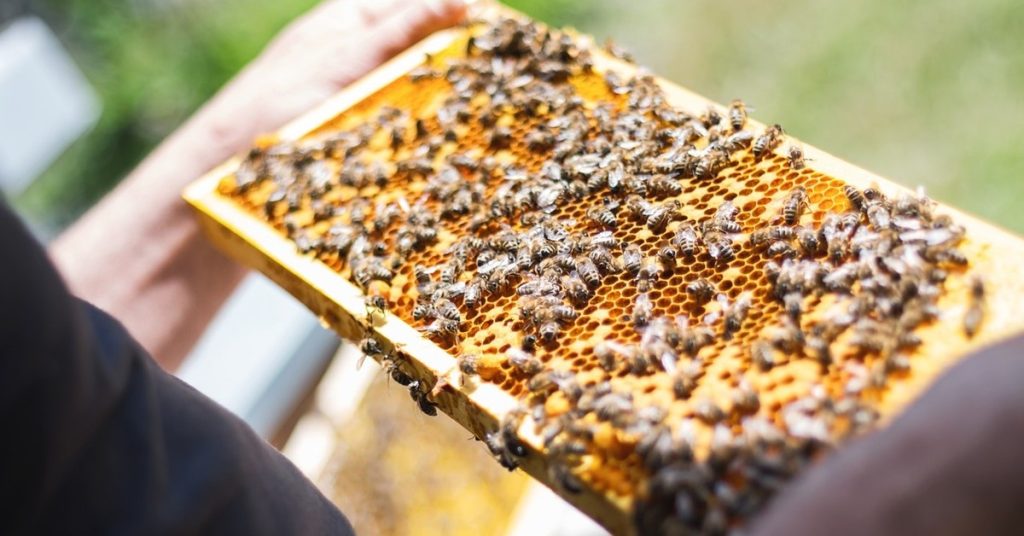
- Inspecting the hive: Regular hive inspections are essential for monitoring the health and progress of your bees. During inspections, you’ll check for signs of disease, evaluate the strength of the colony, and ensure the queen is laying eggs.
- Recognizing the different stages of bee development: Bees go through several stages of development, from egg to larva to pupa to adult. Understanding these stages will help you assess the health and growth of your colony.
- Managing bee health and diseases: Like any living creature, bees are susceptible to diseases and pests. Implementing proper bee health management practices, such as maintaining a clean hive and monitoring for signs of illness, is crucial for maintaining a thriving colony.
- Harvesting honey: One of the most rewarding aspects of beekeeping is harvesting honey. This process involves removing frames filled with capped honey, extracting the honey, and properly storing it for future use.
Common challenges for beginner beekeepers
As a beginner beekeeper, you may face some common challenges along the way. These can include issues such as swarming, colony collapse disorder, or dealing with aggressive bees. By staying informed, seeking advice from experienced beekeepers, and continuously learning, you can overcome these challenges and grow as a beekeeper.
Tips for successful beekeeping
Here are some tips to help you succeed in your journey:
- Join a local beekeeping association or club: Connecting with other beekeepers in your area will provide you with valuable resources, support, and mentorship.
- Read books and online resources: Continuously educate yourself about beekeeping practices, new research, and advancements in the field.
- Be observant: Pay attention to the behavior of your bees, the health of the hive, and any changes or abnormalities. This will help you catch potential issues early and take appropriate action.
- Practice patience: Beekeeping is a long-term commitment that requires patience and dedication. Enjoy the journey and the learning process.
We hope this guide has provided you with the necessary knowledge and confidence to embark on your own beekeeping adventure. Remember, beekeeping is a rewarding and exciting hobby that allows you to connect with nature, contribute to the environment, and enjoy the fruits of your bees’ labor. With the right information, equipment, and practices, you are well-equipped to become a successful beekeeper. Happy beekeeping!