Homesteading is not just a way of life; it is a journey that fosters a deep connection with the land, nature, and the principles of sustainability. As homesteaders, we have a unique opportunity to pass down this invaluable knowledge and way of living to the next generation. Homestead education for children goes beyond traditional schooling; it instills values of responsibility, self-sufficiency, and environmental stewardship. In this article, we will explore the importance of teaching children about sustainable living on the homestead.
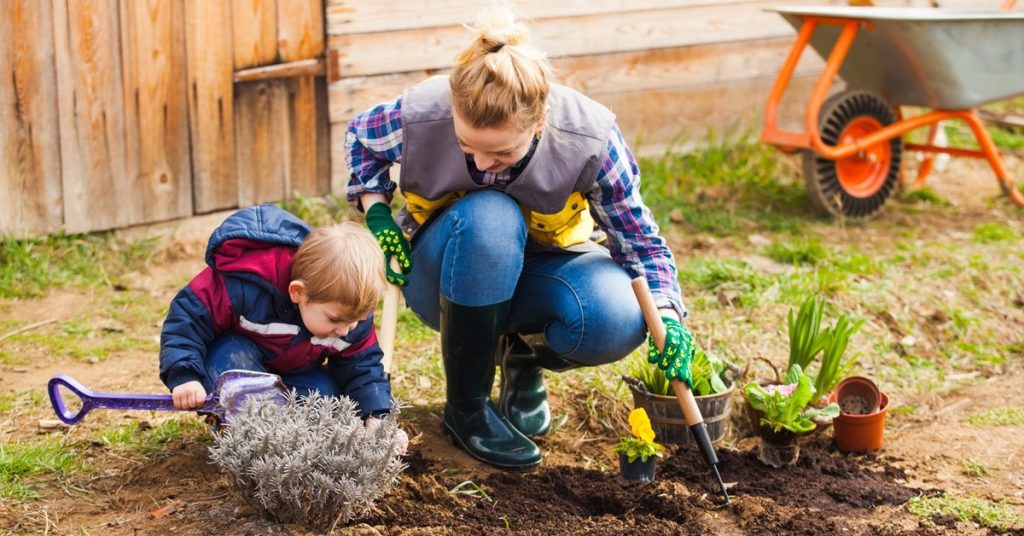
Hands-On Learning: Exposing Your Children to a Nature’s Classroom
Homesteading provides a living classroom to learn practical skills and witness the wonders of nature firsthand. Engaging in gardening, tending to animals, and observing natural cycles empowers children with a deeper understanding of where their food comes from and the importance of working in harmony with the earth. These hands-on experiences create a strong foundation for sustainable living values.
Encourage Your Children to Cultivate a Love for Nature and Environment
Children who grow up on homesteads develop a genuine love for nature and the environment. Through daily interactions with plants, animals, and natural systems, they become attuned to the delicate balance of ecosystems. This connection fosters a sense of responsibility to care for and protect the environment, leading to eco-conscious choices in their daily lives.
Teaching Children to Build Self-Sufficiency and Resilience
Homesteading requires self-reliance and adaptability, and these are invaluable skills to pass on to children. By involving them in homestead chores and projects, we teach them problem-solving, resourcefulness, and the ability to handle challenges with resilience. These skills not only serve them on the homestead but also in all aspects of life.
Understanding the Value of Hard Work
Homesteading is hard work, but it is also deeply fulfilling. Involving children in daily chores, whether tending to animals, weeding the garden, or helping with canning, teaches them the value of hard work and the rewards it brings. This instills a strong work ethic, responsibility, and a sense of accomplishment.
Practicing Sustainable Practices
Sustainable living is at the core of homesteading. Children learn about composting, recycling, rainwater harvesting, and using renewable energy sources. These practices become second nature to them, and they grow up with a mindset of reducing waste and conserving resources.
Encouraging Your Children’s Creativity and Ingenuity
Homesteads often require creative solutions to various challenges. Encouraging children to think outside the box and find innovative ways to address problems fosters creativity and ingenuity. These qualities are valuable in all aspects of life and can lead to future innovations in sustainable living.
Nurturing Empathy and Respect for Living Beings
Caring for animals on the homestead nurtures empathy and respect for all living beings. Children develop a deep understanding of the needs and emotions of animals, fostering compassion and responsibility for their well-being. This empathy extends to all living creatures, reinforcing the importance of ethical and sustainable choices.
Homestead education is a transformative experience that goes beyond traditional education. By involving children in sustainable living practices and responsibilities on the homestead, we equip them with invaluable life skills and instill in them a profound connection to the environment. As they grow into adulthood, they carry this knowledge and values with them, becoming conscious global citizens who are dedicated to preserving the planet for future generations.
The homestead becomes a nurturing space where children learn the true meaning of sustainability, self-sufficiency, and respect for all living beings. As parents and educators, we have the power to shape a brighter and more sustainable future by imparting these essential teachings to the next generation of Earth’s caretakers. Let us embrace this responsibility with love, patience, and dedication, knowing that our efforts will ripple out and create a positive impact on the world.