Homesteading hydroponics is a revolutionary method of growing food that allows individuals to cultivate their produce in limited spaces. With the rising popularity of urban farming and sustainable living, hydroponic gardening has become a go-to solution for those who want to maximize their space and minimize their environmental impact.
At Farmstead, we believe that everyone should have the opportunity to grow their own food, regardless of their living situation. That’s why we have put together this comprehensive guide to help you embark on your own homesteading hydroponics journey.
Benefits of Homesteading Hydroponics
Hydroponic gardening offers a multitude of advantages over traditional soil-based farming, especially for those with limited space. Here are some of the key benefits:
- Space-saving: Hydroponic systems are designed to make the most of every inch of available space. By eliminating the need for soil, plants can be grown vertically or in compact setups, allowing you to maximize your yield in a small area.
- Year-round growing: One of the biggest advantages of hydroponic gardening is the ability to grow plants indoors, regardless of the season. With the right lighting and climate control, you can have fresh produce all year round.
- Reduced water usage: Hydroponic systems use up to 90% less water compared to traditional soil-based farming. This is because the water in the system is recycled and reused, minimizing wastage.
- Less reliance on soil quality: In traditional gardening, the quality of the soil plays a crucial role in plant growth. However, with hydroponics, plants receive their nutrients directly from the water, eliminating the need for fertile soil. This opens up possibilities for urban gardening, where the soil may not be suitable for growing crops.
Getting Started with Homesteading Hydroponics
To begin your homesteading hydroponics journey, you will need to consider a few key factors:
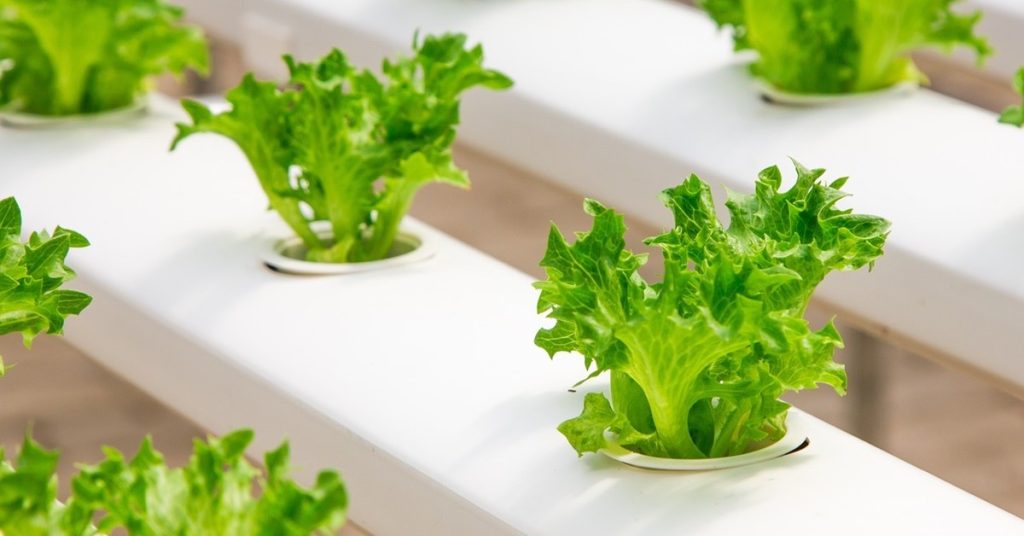
- Choosing the right system: There are various types of hydroponic systems available, including nutrient film technique (NFT), deep water culture (DWC), and vertical systems. Each system has its own advantages and requirements, so it’s important to research and select the one that best suits your needs and space limitations.
- Setting up the hydroponic garden: Once you have chosen a system, you will need to set up your hydroponic garden. This involves preparing the space, installing the necessary equipment, and ensuring proper lighting and ventilation.
- Essential equipment and materials: To get started with hydroponic gardening, you will need a few key items such as grow lights, nutrient solutions, pH testing kits, and growing medium. It’s important to invest in high-quality equipment to ensure optimal plant growth.
- Understanding nutrient solutions: Nutrient solutions are a crucial component of hydroponic gardening. These solutions contain the essential minerals and nutrients that plants need to thrive. It’s important to understand the composition of these solutions and ensure that your plants receive the right balance of nutrients.
Selecting Suitable Crops for Homesteading Hydroponics
Not all plants are well-suited for hydroponic gardening. Here are some crops that thrive in hydroponic systems:
- Leafy greens: Lettuce, spinach, and kale are excellent choices for hydroponics. They grow quickly and require minimal space.
- Herbs: Basil, parsley, and mint are popular herbs that can be grown hydroponically. They add flavor to your dishes and can be harvested continuously.
- Strawberries: Hydroponic strawberries are known for their intense flavor and larger yields. They grow well in vertical systems or hanging baskets.
- Tomatoes and peppers: These warm-season crops thrive in hydroponic systems. With the right care and support, you can enjoy a bountiful harvest of juicy tomatoes and peppers.
Maintaining Your Homesteading Hydroponic Garden
Proper maintenance is crucial for the success of your hydroponic garden. Here are some key aspects to consider:
- Monitoring water and nutrient levels: Regularly check the pH and nutrient levels of your hydroponic solution to ensure that your plants are receiving the right balance of nutrients. Adjust the pH as needed and replenish the nutrients when necessary.
- Preventing and managing pests: Even in a controlled environment, pests can still be a problem. Use organic pest control methods and regularly inspect your plants for any signs of infestation.
- Pruning and harvesting techniques: Proper pruning and harvesting techniques are essential for maintaining plant health and maximizing yields. Remove any dead or diseased foliage and harvest the mature crops regularly.
- Cleaning and maintaining the system: Regularly clean and disinfect your hydroponic system to prevent the buildup of algae or bacteria. This will help maintain the health of your plants and prolong the life of your equipment.
Troubleshooting Common Issues
Despite your best efforts, you may encounter some challenges along the way. Here are some common issues and how to address them:
- Nutrient deficiencies: If your plants show signs of nutrient deficiencies, such as yellowing leaves or stunted growth, adjust the nutrient levels in your solution accordingly.
- Algae growth: Algae can thrive in hydroponic systems if not properly managed. To prevent algae growth, ensure that your system is properly sterilized and that light exposure is minimized.
- pH imbalance: A pH imbalance can affect nutrient absorption and plant health. Regularly test and adjust the pH levels of your solution to maintain optimal conditions.
Success Stories: Homesteading Hydroponics in Action
Many individuals and communities have successfully implemented homesteading hydroponics to grow their own food sustainably and efficiently. From urban rooftops to small balconies, hydroponic systems have transformed limited spaces into thriving gardens.
One inspiring success story comes from Sarah, a resident of a high-rise apartment building in the heart of the city. With no access to a traditional garden, Sarah turned to hydroponics and transformed her small balcony into a flourishing oasis. She now enjoys fresh herbs and vegetables year-round and has inspired her neighbors to embark on their own hydroponic gardening journeys.
Conclusion
Homesteading hydroponics opens up a world of possibilities for individuals who want to grow their own food in small spaces. With the right knowledge and equipment, you can create a thriving garden right in your own home. Whether you’re a beginner or an experienced gardener, hydroponics offers a sustainable and efficient way to cultivate fresh produce all year round.