This year, I set myself a goal to grow some underrated culinary herbs and use them for more than just garnishing. While I’ve always grown culinary herbs, this time I decided to focus on the most versatile one: parsley (Petroselinum crispum)!
As I cultivated parsley, I learned that this herb grows in a biennial phase – setting seeds and flowers in its second year before dying off. But then the seeds grow into a new plant, turning parsley into a perennial herb in the process!
Another interesting fact is that this herb acts as a natural breath freshener. Its aromatic flavor makes it perfect for freshening your breath throughout the day. I even found myself nibbling on a few sprigs while cooking!
Ready to dive into the world of this incredible herb? Let’s explore it together!
In This Article:
Table of Contents
Characteristics
Classification
- Scientific Name: Petroselinum crispum
- Family: Apiaceae
- Kingdom: Plantae
- Class: Magnoliopsida
- Order: Apiales
- Genus: Petroselinum
- Specie: Crispum
Primary Characteristics
Roots
- This plant has a taproot system that grows about 12 inches long (resembles a thin carrot)
- The roots have a firm texture with visible hairy branches and creamy white to beige pigments
Stems
- The thin stems are 10-12 inches long and vibrant green
- They have a delicate texture, which is hollow and erect in appearance
Seeds
- The oval-shaped seeds are tiny (2-4 mm) with irregular (ridges) surfaces
- They are light brown with a rough-coated texture
Leaves
- The bright green leaves are flat or curly in appearance with a soft texture
- Each leaflet has a triangular shape about 2-4 cm wide and is arranged alternately on the stems
Flowers
- The tiny (2-3 mm) umbel-shaped flowers bloom in the 2nd year of their biennial cycle
- The flowers are white, light green, or pale yellow with a subtle glow that attracts pollinators
- Each floral stem is about 10-15 inches in size and has a fine texture
Secondary Characteristics
- Plant Form: Biennial
- Height: 11-25 inches
- Odor: Fresh and mild with herbal notes
- Taste: Peppery, slightly grassy and bitter
- Habitat: Eastern Mediterranean
- Soil Type: Well-drained, fertile soil with acidic to neutral pH
- Planting Time: Early spring or summer and late winter
- Germination Span: 2-4 weeks
- Part Used: Leaves
- Substitute: Basil or oregano
Health Benefits of Parsley
Have you ever considered that the humble herb you sprinkle on your dishes could also work wonders for your health? Parsley, this common culinary herb, is packed with remarkable health benefits you might not expect.
Ready to dive in? Let’s explore!
Nutritional Facts
About 1/2 cup or 30 grams of freshly chopped parsley(leaves) offer a wholesome nutritional profile.
- Calories (11 Kcal)
- Carbohydrates (2 grams)
- Fiber (1 gram)
- Protein (1 gram)
- Fats (0.24 grams)
- Vitamin A (108%)
- Vitamin C (53%)
- Vitamin K (547%)
- Folate (11%)
- Potassium (118mg)
- Sodium (0.04gram)
Rich In Antioxidants
Parsley is rich in potent antioxidants that benefit your overall health.
It contains flavonoids, vitamin C, and carotenoids that shield your body from cellular damage caused by harmful free radicals. These powerful compounds may help reduce the risk of heart disease, metabolic conditions like diabetes, and certain types of cancer.
Support your Eye Health
Parsley contains vitamin A, alpha, and beta-carotene, crucial for eye health.
This versatile herb may benefit eye conditions such as night blindness, diabetic-related retinopathy, and other minor eye ailments.
Reduce Water Retention
This common herb is rich in potassium, which supports your body by reducing excess water retention and flushing out fluids through urine.
It is also a natural diuretic and a potent detoxifier, helping to reduce swelling, alleviate edema, and flush out toxins from the body.
In addition to its incredible detoxifying properties, parsley also helps to regulate high blood pressure, supporting overall heart health and well-being.
Note: Drink parsley tea or detox water for facial bloating.
Relieve Acid Reflux
Parsley juice offers soothing benefits for an inflamed gut, thanks to its calming properties that help to ease discomfort and promote digestive health.
This versatile herb not only relieves acid reflux but can be effective for gut issues such as:
- Flatulence
- Colic
- Bloating
- Indigestion
- Constipation
Side Effects of Parsley
Based on scientific evidence, consuming parsley in food amounts is likely safe and rarely causes side effects.
However, its seed oil (essential oil) may cause some side effects.
- When used topically, it can cause photodermatitis (skin photosensitivity) caused by phytochemical psoralens
- Miscarriage (due to phytochemicals myristicin and apiol)
- May worsen kidney disorders
Who Should Avoid Parsley?
Individuals should avoid if they are:
- Allergic to herbs from the Apicacea family (dill, cumin, and anise)
- Pregnant or trying to conceive and breastfeeding mothers
- Individuals with advanced kidney or heart disease and bleeding disorders
- Taking medicines such as anticoagulants or blood thinners (heparin or warfarin)
How to Grow and Harvest Parsley
Growing
Parsley is a versatile herb that thrives in the middle or corners of a garden bed, making it a perfect addition to any garden. You can also grow it indoors, but look for at least 1 – 1 ½ inch deep pots or containers.
Let’s explore how to grow parsley from seeds step-by-step:
- It thrives in well-drained, fertile soil with partial sunlight.
- Enhance the soil fertility by adding compost to it
- Sow soaked seeds 1/2 inch deep and 6 inches apart in the soil
- Regular watering is necessary until germination (especially during the dry spell)
- Wait for the seedlings (almost 2 inches tall), then thin them about 8-12 inches apart
Note: You can grow parsley by rooting stems (cuttings) in water.
Harvesting
The best time to harvest fresh parsley is during the summer season when the plant is at its peak.
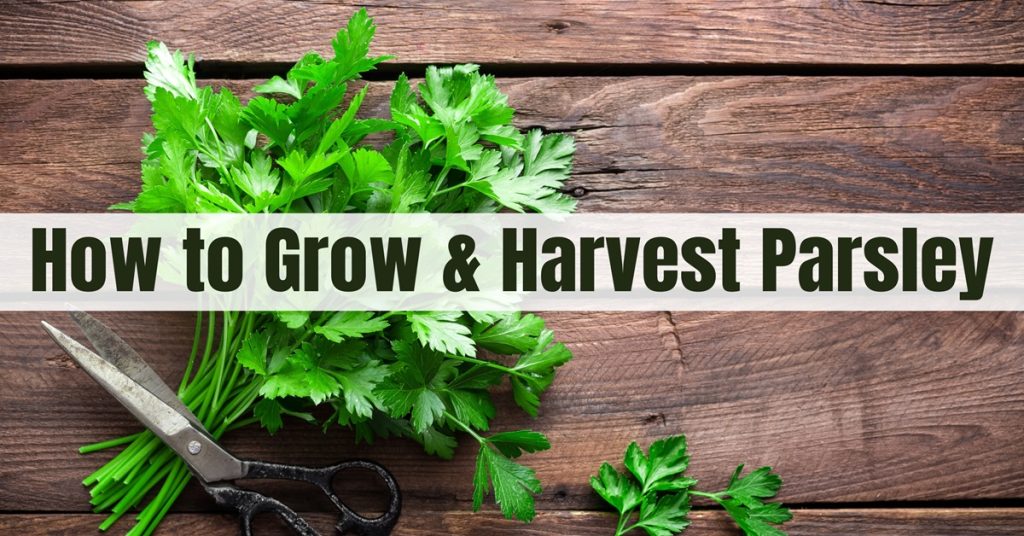
However, regularly trimming the leaves encourages the plant to produce even more. Simply snip a few green stems near the base with scissors to enjoy a continuous supply of fresh parsley.
Storing Parsley
Have you ever tossed excess herbs into the bin with a sigh? We have all been there!
Thankfully, parsley is one herb you won’t have to waste, as it’s incredibly easy to preserve and enjoy long after you’ve harvested it.
Here are a few simple techniques for storing it.
Hang-Drying
- Tie a few stems with a string and hang them upside down in a well-ventilated and warm area (avoid direct sunlight) for 2-4 weeks
- Once dry completely, grind the leaves and store them in air-tight containers
Freezing
- Wash and dry the freshly harvested leaves thoroughly
- Chop them finely
- Arrange the chopped leaves in each cube of an ice tray, then top up with water
- Keep the ice tray in the freezer (until frozen)
- Use the frozen parsley for up to a month
Refrigerate
Many might be wondering, “Can I put parsley in a cup of water?” The short answer is yes! In fact, treating this versatile herb like a flower bouquet is a great way to keep it fresh for weeks.
You need to:
- Take a handful of stems and cut them slightly (try not to wash them)
- Place the trimmed stems in a jar filled with water
- Loosely cover the jar with a plastic bag and refrigerate it
How to Consume Parsley
Are you still using culinary herbs only as garnishes? If so, it’s time to discover that parsley offers much more than just garnishing or seasoning.
Keep reading to explore the easy ways to add this vibrant and flavorful herb to your diet.
- Beverages (juices, smoothies, and cocktails)
- Herbal blends (teas, infusions, decoctions, and tinctures)
- Tabbouleh — a Mediterranean salad
- Side sauces, such as dips, pesto, hummus
- Veggie soups
Add parsley to your diet today and transform your health tomorrow!
The information presented in this article is for educational purposes only and should not be considered medical advice. Always consult with a qualified healthcare professional before making any changes to your health regimen.