Starting a homestead from scratch can be a daunting yet thrilling prospect for anyone who has ever dreamed of living off the land. In this comprehensive guide, we delve into everything you need to know to begin your journey toward homesteading. From understanding the concept of homesteading and laying the groundwork for your own homestead to taking small steps toward permaculture, we’ve got you covered.
One of the most critical aspects of starting a homestead is finding the right land. In this guide, we explore various factors that you should consider before making your final decision, such as soil quality, water availability, climate conditions, and zoning laws. Additionally, we also discuss how much it costs to start a homestead from scratch and its potential benefits.
We believe that starting a homestead from scratch requires a lot of hard work, dedication, and patience. However, with careful planning and preparation, it can lead to a more sustainable lifestyle and greater self-sufficiency. Whether you’re looking to live off the grid or just want to reduce your carbon footprint, our ultimate guide provides valuable insights and practical tips on turning your dream into reality.
Understanding the Concept of Homesteading
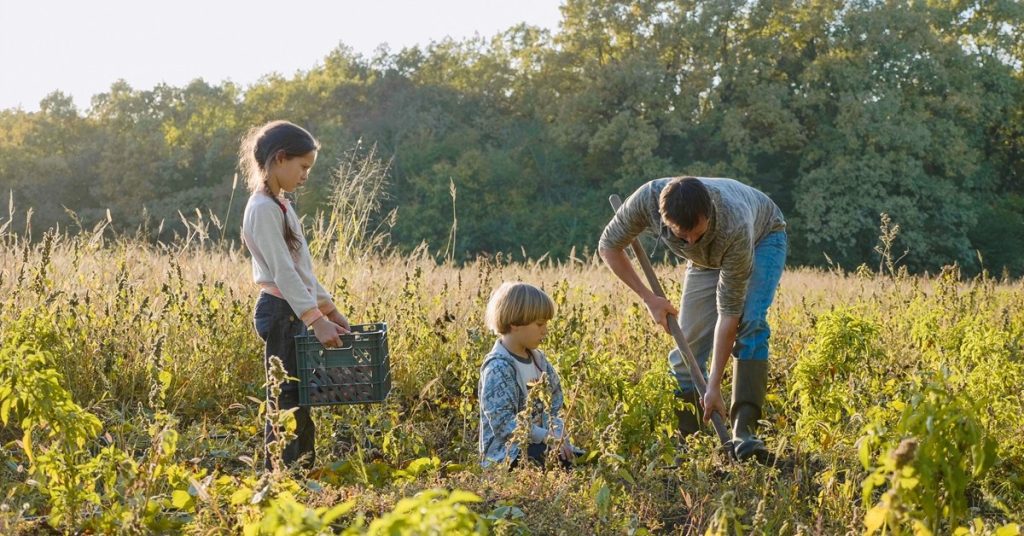
Homesteading encompasses various practices, such as gardening, raising livestock, and preserving food, all geared towards achieving self-sufficiency. When starting a homestead, it is crucial to carefully plan and consider factors like location, available resources, and personal skillset. While it can provide a sustainable and fulfilling way of life, it also requires hard work and dedication. New homesteaders can find valuable support through resources like books, online communities, and local groups. By understanding the concept of homesteading and acquiring the necessary skills, individuals can embark on their journey with confidence and take the next step towards a self-sufficient lifestyle.
The Essence of Homesteading and Permaculture
Homesteading is all about self-sufficiency, involving practices like gardening, raising livestock, and preserving food. Permaculture, on the other hand, focuses on designing sustainable systems that mimic natural ecosystems and minimize waste. Combining both can lead to a more efficient and eco-friendly lifestyle. By embracing them, individuals can experience a sense of autonomy and move towards a more mindful and eco-conscious way of living.
Laying the Foundation for Your Homestead
Before embarking on the journey of building a homestead, it is crucial to identify your goals and priorities. Consider aspects like climate, soil quality, and zoning laws while selecting a suitable location. It is also essential to determine the type of housing and infrastructure required, such as a house, barn, or fencing.
Planning your garden and choosing the crops to grow based on your needs and climate is another vital aspect. Additionally, raising livestock for meat, dairy, or eggs can be considered by researching the best breeds for your region.
Laying a solid foundation is significant in setting yourself on the path toward a sustainable and self-sufficient lifestyle. This includes factors such as water supply, waste disposal system, solar panels for electricity generation, and more. Having a clear vision of what you want to achieve with your homestead will help you make informed decisions at every step of the way.
Furthermore, seeking guidance from experienced homesteaders or joining groups can offer invaluable insights into best practices and solutions to common challenges. This community support can be especially helpful in learning about localized issues that may arise in different regions.
By laying the groundwork through careful planning and research, you can create a thriving homestead that meets your needs while contributing to a more sustainable future.
Goal Setting and Planning for Your Homestead
Starting a homestead requires careful planning and goal setting to ensure success. It is essential to establish clear and achievable goals based on your lifestyle and needs. Determine what matters most to you, whether it’s food production, self-sufficiency, or something else entirely.
Creating a detailed plan that includes timelines and budgets for each aspect of your homestead is also crucial. Consider factors such as the local climate, soil quality, and any applicable regulations that may impact your homesteading efforts. Remember to be open-minded and flexible in adjusting your plans as you learn and grow on your homesteading journey.
Goal setting and planning will help keep you on track and ensure progress towards achieving the self-sufficient, sustainable lifestyle you desire. It can also help you identify any potential obstacles along the way so that you can plan accordingly. Don’t forget to celebrate small victories along the way, as they serve as motivation for continued progress toward achieving your homesteading goals.
Making the Choice: Urban or Rural Homesteading?
When deciding between urban or rural homesteading, there are factors to consider. Urban homesteading requires creativity and maximizing small spaces, while rural homesteading offers more freedom. Consider resources, zoning laws, and lifestyle preferences. Both options can provide a sustainable and fulfilling lifestyle.
Budgeting for Your Homestead: What You Need to Know
When starting a homestead, careful budgeting and planning are essential for long-term sustainability.
It’s crucial to consider both upfront costs and ongoing expenses. Upfront costs may include land acquisition, housing, and necessary equipment. Ongoing expenses can consist of utilities, animal feed, and other supplies.
Prioritizing essential investments such as reliable water sources and sturdy fencing is important to protect your animals and crops. Looking for creative ways to cut costs, like engaging in DIY projects or participating in community exchange programs, can be beneficial.
It’s crucial to be prepared for unexpected expenses along the way. By budgeting wisely and being mindful of expenses, you can set yourself up for a more sustainable journey.
Taking Baby Steps
Embarking on your journey requires a well-thought-out plan that outlines your goals and priorities. Start by deciding what you want to grow, raise, and produce on your homestead. Once you have identified your needs, it is essential to determine the necessary infrastructure such as a home, water source, and electricity.
Building your skills is crucial, so focus on learning essential techniques like gardening, animal husbandry, and food preservation. Starting small with a small garden or a few chickens can help you gain confidence before expanding.
Connecting with the community can be beneficial in providing valuable knowledge and building relationships with like-minded individuals. Joining online forums or attending local events can help you learn from experienced homesteaders and avoid common mistakes.
It’s important to prioritize your needs and take baby steps toward achieving your goals. By following these steps, you will be setting yourself up for success in your adventure.
Preserving Food: A Key Homesteading Skill
Preserving food is an essential skill for homesteaders who want to achieve self-sufficiency and reduce food waste. There are various methods of food preservation, including canning, dehydrating, and fermenting. These techniques enable you to enjoy the flavors of seasonal fruits and vegetables throughout the year.
It’s important to consider several factors when it comes to food preservation, such as equipment needs, storage space, and safety measures. Homesteaders can start small by preserving a few jars of fruits or vegetables before gradually expanding their preservation efforts.
Canning involves preserving food in glass jars that have been sterilized and sealed. Dehydrating is a method of removing moisture from fruits, vegetables, and meats so they can be stored for longer periods without spoiling. Fermenting is another technique that involves using bacteria or yeast to break down sugars in foods like cabbage, cucumbers, or milk into lactic acid or alcohol.
By mastering these key skills, homesteaders can take another step towards self-sufficiency. They can save money on groceries by preserving excess produce from their garden or local farmers’ markets. Moreover, they are not dependent on grocery stores for fresh produce during off-seasons. Preserving food is also an excellent way to reduce food waste while enjoying nutritious meals throughout the year.
The Importance of Building a Network with Fellow Homesteaders
For a successful journey, it is essential to build relationships with fellow homesteaders. Connecting with people who share your interests can provide invaluable knowledge and support. Networking can open doors to new resources like seed swaps or equipment sharing that can help establish your own homestead. Joining local groups or participating in online forums offers an opportunity to engage with experienced homesteaders, learn from their wisdom, and avoid potential pitfalls.
Having a supportive community not only offers emotional assistance but also practical help during challenging times. Building a network can save time, money, and trouble while enjoying the camaraderie of a community that shares your passion for the homesteading lifestyle. It is also useful to attend conferences and workshops to meet new people and gain insights into ways of improving your skills.
Creating a relationship with other homesteaders is beneficial for everyone involved. You may have something to teach them, or they may have something valuable to impart to you. Moreover, you can collaborate on projects, share advice and tips, and even barter goods or services. Overall, building relationships is crucial for establishing a thriving homestead and enjoying the benefits of a supportive community.
Gardening and Composting
Homesteading comprises various aspects, with gardening and composting being two essential ones. Choosing the right location for your garden is crucial to ensure your plants thrive. Start by preparing the soil by removing weeds and adding organic matter like compost or fertilizer to improve its quality. The success of your vegetable and fruit production also depends on selecting the right seeds. Maximizing space is important, so consider using techniques such as vertical gardening or intercropping.
Composting is another vital aspect of homesteading as it helps improve soil quality and fertility. Creating a compost pile by layering organic materials such as kitchen scraps, yard waste, and manure can provide a rich source of nutrients for your plants. Crop rotation is an effective technique to prevent nutrient deficiencies and pests. Rotate crops with different nutrient needs and plant families to maintain soil health.
Organic pest management methods can help control pests without relying on harmful chemicals. Introducing beneficial insects, using natural repellents, or interplanting pest-repellent plants are some options.
It’s also important to preserve your harvest for self-sufficiency year-round. Explore different methods like canning, freezing, and dehydrating to enjoy your homegrown fruits and vegetables all year long. With these tips in mind, you can start a thriving garden that produces healthy and delicious produce while nourishing the soil naturally.
Basic Building and Repair Skills
Maintaining a homestead requires basic building and repair skills to ensure the longevity of structures and the proper functioning of systems. Homesteaders need to have a good understanding of carpentry, plumbing, and electrical work.
Carpentry skills, such as measuring, cutting, and joining wood, are essential for various projects. Plumbing knowledge is necessary for repairing or installing irrigation systems, water pumps, and drainage systems. Knowing about electrical work is crucial for maintaining lighting, heating, and cooling systems.
By learning these basic repair skills, homesteaders can save money by not having to hire professionals. It’s empowering to be self-sufficient in these areas and contributes to the overall success of the journey.
Delving into Permaculture
Permaculture principles are a vital component of creating an eco-friendly and self-sufficient homestead. By planning and designing the layout of your homestead, you can create a sustainable environment that supports your needs. When selecting crops and animals, it is essential to consider climate and soil type to ensure their success.
In addition, constructing sustainable structures such as rainwater harvesting systems and composting toilets will aid in your mission to be self-sufficient. These structures minimize waste and conserve resources while increasing the sustainability of your homestead. Employing natural pest control methods, rather than using harmful chemicals, can help maintain a healthy ecosystem.
By embracing permaculture principles, you are taking a significant step towards living a sustainable lifestyle that yields many rewards. Creating a self-sustaining environment helps conserve resources while providing fresh food for you and your family. It also offers a chance to connect with nature and live in harmony with the environment around you.
Finding the Right Land
One of the most crucial aspects of starting a homestead is finding the right land. To ensure success, it is essential to evaluate the soil quality and determine its suitability for your crops or livestock. You should also check for zoning regulations and any restrictions on building or farming.
Another important factor to consider is access to clean water sources, which is essential for both crops and livestock. It’s also worth considering the potential for renewable energy sources like solar or wind power.
The climate and weather patterns in the area are also significant factors that can impact growing seasons and natural disasters. Assessing the proximity to necessary resources such as markets, medical facilities, and schools is also important.
By taking all these factors into consideration, you can find the ideal land for you. Remember that finding the right land is just one step in creating a successful homestead – but it’s an important one!
Diverse Activities that Define Homesteading
Homesteading is a lifestyle that encompasses a wide range of activities, each contributing to a self-sufficient and sustainable way of living. Gardening is one of the most essential aspects of homesteading, where individuals cultivate their own vegetable and herb gardens, providing them with fresh and organic produce. Raising livestock is also a key part of homesteading, as it allows for the production of dairy products like milk, cheese, and butter. It also provides meat like chicken, pork, or goat meat.
Off-grid living is embraced by homesteaders to reduce their dependence on public utilities by generating their power through solar panels and collecting rainwater for various purposes. Homesteaders also place great emphasis on food preservation skills. They can excess food for later use by smoking, drying or canning it. DIY projects are also popular among homesteaders as they build their own tools, furniture, and structures.
By embracing these diverse activities, homesteaders create a self-sufficient and fulfilling way of life that promotes environmental sustainability and provides greater control over their resources. This kind of lifestyle teaches skills that are essential for living off the grid while reducing one’s carbon footprint.
The Benefits of Starting a Homestead
Many people are turning to homesteading as a way of life, and it’s no surprise why. It comes with numerous benefits that can positively impact your physical, emotional, financial, and environmental well-being.
One of the primary advantages is self-sufficiency. By growing your food, producing your energy, and reducing reliance on external resources, you can become more independent and reduce your carbon footprint. This lifestyle also promotes healthy eating habits since you have access to fresh organic produce.
Homesteading also offers significant financial benefits. It can lead to savings on groceries, utilities, and other expenses over time. Moreover, it provides added flexibility in terms of work-life balance- enabling you to work from home while spending quality time with loved ones.
The health benefits cannot be overlooked either. Spending time outdoors and being physically active contribute significantly to well-being. Additionally, it allows for a deeper connection to nature, fostering a greater appreciation for the environment and promoting mental wellness.
Overall, creating a homestead is an excellent way to live sustainably while embracing a simpler way of life. The benefits are plentiful- from nurturing self-sufficiency to fostering a greater connection with nature- making it an attractive option for many people today.
Homesteading for Security and Pride
Homesteading offers a unique sense of security and pride to individuals. It allows them to become self-sufficient, providing a safety net during uncertain times.
By taking ownership of their food production and lifestyle, homesteaders gain a profound sense of pride. However, starting a homestead from scratch requires dedication, hard work, and resources. It is not an easy journey, but the rewards are worth it.
Homesteading can lead to reduced expenses and a more sustainable lifestyle. By growing their own food and implementing practices like permaculture and food preservation, homesteaders become less reliant on the grocery store and experience the joy of being self-sufficient.
This connection with nature and the ability to live a simpler, more fulfilling life is what attracts many to the homesteading lifestyle.
Homesteading: An Environmentally Conscious Choice
Homesteading is an eco-friendly choice that promotes self-sufficiency and reduces our dependence on industrialized products. Engaging in sustainable practices like composting and organic gardening not only provides for a healthier environment but also encourages a simpler way of life. By minimizing waste and conserving resources, homesteading can help reduce our carbon footprint as well. Furthermore, it enables individuals to develop a deeper connection with nature and appreciate the beauty of living in harmony with our surroundings.
Homesteading is a holistic approach to living that offers numerous benefits, not just for the individual but for the planet as well. It is an ideal choice for those looking to embrace sustainable living practices while enjoying a satisfying lifestyle. It allows us to live more mindfully, respecting nature’s rhythms and cycles and adopting a more balanced approach to life. From raising animals to growing crops, homesteading provides ample opportunities for learning new skills and experiencing the joys of self-reliance.
Tracing the History of Homesteading
The Homestead Act of 1862 is the foundation of homesteading in America. It allowed people to acquire up to 160 acres of land for a nominal fee, provided they improved and lived on it for a certain period. Modern homesteading has seen a resurgence in popularity as individuals seek sustainable and self-sufficient lifestyles. Homesteading offers several benefits such as reduced environmental impact and a more sustainable way of living.
Starting a homestead from scratch involves careful research into land options, building necessary infrastructure, and selecting suitable livestock and crops. Fortunately, there are many resources and communities available to support homesteaders on their journey toward self-sufficiency.
Homesteading also encompasses various practices like raising livestock, growing vegetables, preserving food, and making homemade products. These practices reduce reliance on external sources for food and goods while promoting self-reliance. The concept of homesteading has become significant in recent years due to concerns about climate change and the desire for a more sustainable lifestyle.
Is it Possible to Get Free Land for Homesteading?
Yes, it is possible to obtain free land for homesteading in certain areas. The Homestead Act of 1862 provided free land in the western United States. Additionally, some states and counties offer free or discounted land for homesteading purposes. Researching and applying for these opportunities may require time and effort, but it can be worth it.
How does Homesteading Impact Family Bonding?
Homesteading can have a positive impact on family bonding by creating shared goals and experiences. It strengthens communication and problem-solving skills as families work together to build and maintain the homestead. Spending time in nature and enjoying outdoor activities also fosters quality time together. Prioritizing self-care and open communication is important amidst the challenges of homesteading.
How Much Does it Cost to Start a Homestead from Scratch?
Starting a homestead from scratch can be an expensive proposition, with factors like land purchase or rental, building materials, equipment, and livestock all contributing to the overall cost.
While it’s possible to start a small one for under $10,000, larger operations may require more significant investments. To avoid the financial strain of starting it all at once, consider starting small and gradually expanding as you gain experience and resources. Additionally, it’s important to create a budget and plan ahead for any unexpected expenses that may arise.
You can also look into alternative financing options such as grants or loans specifically designed for homesteading projects. By being mindful of your expenses and taking a strategic approach to building your homestead, you can create a sustainable lifestyle that fits your needs and budget over time.
Benefits of Starting a Homestead
Homesteading offers a myriad of benefits that make it an attractive lifestyle choice for many.
One of the key advantages is self-sufficiency, which enables individuals to produce their own food, generate renewable energy, and reduce reliance on external resources. Not only does homesteading promote self-sufficiency, but it also fosters a healthier lifestyle. By growing fresh, organic produce and engaging in daily farm chores, homesteaders enjoy physical activity and access to nutritious food.
Additionally, homesteading practices prioritize sustainability and land stewardship, contributing to a healthier environment.
Another significant benefit of homesteading is cost savings. By growing their own food and generating renewable energy, homesteaders can save money on groceries, energy bills, and other expenses, leading to greater financial stability.
Moreover, homesteading often leads to the formation of tight-knit communities, where homesteaders share knowledge, resources, and support with one another. Homesteaders find fulfillment and a sense of belonging in these communities, reaffirming their decision to embark on the homesteading journey.
What are the essential steps to take when starting a homestead from scratch?
Starting a homestead from scratch can be a challenging but rewarding endeavor. To begin, it is crucial to identify your purpose and goals for the homestead. This will help you determine the type of land that will be most suitable for your needs. It is also important to research the land you want to use, including factors such as soil quality, climate, and water availability.
Once you have found the perfect piece of land, it’s time to develop a detailed plan. This should include everything from the layout of your homestead to the crops and animals you plan to raise. Starting small and gradually building up your infrastructure as you gain experience is a smart approach.
There are many resources available for those interested in starting a homestead, including books, online forums, and local homesteading groups. Networking with other homesteaders can be particularly helpful in learning about best practices and avoiding common mistakes. With careful planning and dedication, starting a homestead from scratch can lead to a fulfilling and sustainable lifestyle.
In conclusion, starting a homestead from scratch is a fulfilling and rewarding journey. It allows you to live a self-sustainable and environmentally conscious lifestyle while fostering family bonding and pride.
Homesteading requires careful planning, goal-setting, and budgeting to lay a strong foundation for success. Developing essential skills such as food preservation, sewing, and basic building will empower you to thrive in your homesteading journey.
Additionally, connecting with fellow homesteaders and exploring permaculture practices will further enhance your homesteading experience.
While finding the right land and considering the costs involved may pose challenges, the benefits of homesteading, including security and a reduced environmental footprint, make it all worthwhile. So, take the first step towards your homesteading dream and embrace a sustainable and fulfilling lifestyle.