Homesteading can be a fulfilling and sustainable lifestyle choice, but it requires careful planning and preparation. In this blog post, we aim to equip you with the knowledge and practical advice needed to kickstart your journey successfully. Whether you’re a beginner or someone with some experience, these nine essential tips will cover various aspects of starting a homestead.
Researching and Planning Your Homestead
Before diving headfirst into your project, it’s crucial to determine your goals. What are you hoping to achieve through your homestead? Are you looking for self-sufficiency, a connection with nature, or a simpler way of life? Once you have a clear vision, choose the right location for your homestead. Consider factors such as climate, soil quality, and accessibility to necessary resources. Additionally, research local regulations to ensure that you’re compliant with any zoning or agricultural laws in your area.
Start Small and Prioritize
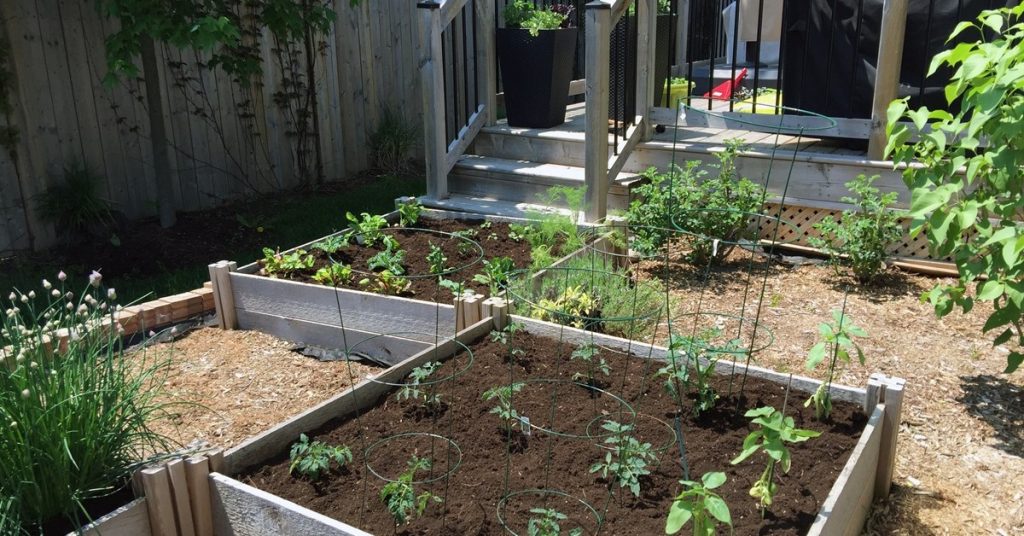
Focus on the essentials and start with easy projects that align with your goals. Whether it’s building a chicken coop, starting a vegetable garden, or establishing a rainwater harvesting system, take it one step at a time. As you gain experience and confidence, gradually expand your homestead and tackle more ambitious projects.
Build a Support System
Homesteading is a journey best shared with others. Join communities to connect with like-minded individuals who can provide guidance and support. Network with experienced homesteaders who can offer valuable advice and mentorship. Attend workshops and conferences to learn from experts and gain inspiration from fellow homesteaders.
Learn and Develop Skills
Homesteading requires a diverse set of skills, from gardening and animal husbandry to carpentry and food preservation. Study books and resources to expand your knowledge. Take courses or workshops to learn from experts in specific areas. Most importantly, embrace hands-on learning by practicing the skills you acquire on your homestead.
Manage Your Finances
Like any other endeavor, homesteading involves financial considerations. Create a realistic budget that accounts for both initial setup costs and ongoing expenses. Research cost-saving strategies such as DIY projects and bartering with neighbors. Explore funding options such as grants or agricultural loans that may be available for aspiring homesteaders.
Establish Routines and Systems
Homesteading involves a lot of work, and establishing routines and systems can help you manage your time and energy efficiently. Create a daily, weekly, and monthly schedule that outlines your tasks and responsibilities. Develop efficient processes to streamline your work. Whenever possible, automate tasks through the use of technology or smart systems to free up more time for other activities.
Take Care of Your Health and Well-being
Homesteading can be physically demanding, and it’s essential to prioritize your health and well-being. Practice self-care by taking breaks and engaging in activities that rejuvenate you. Maintain a healthy work-life balance by setting boundaries and allocating time for relaxation and leisure. Stay connected with nature by taking regular walks, observing wildlife, and enjoying the beauty of your land.
Embrace Sustainability
As a homesteader, you have the opportunity to live in harmony with the environment. Implement eco-friendly practices such as composting, rainwater harvesting, and organic gardening. Reduce waste and recycle whenever possible. Explore the use of renewable energy sources such as solar panels or wind turbines to power your homestead.
Enjoy the Journey
Homesteading is not just about the end goal; it’s about enjoying the process and celebrating achievements along the way. Take the time to appreciate the fruits of your labor and find joy in the simple pleasures that homesteading brings. Connect with the community through social media, local events, or even by hosting gatherings on your homestead. Remember, the journey is just as important as the destination.