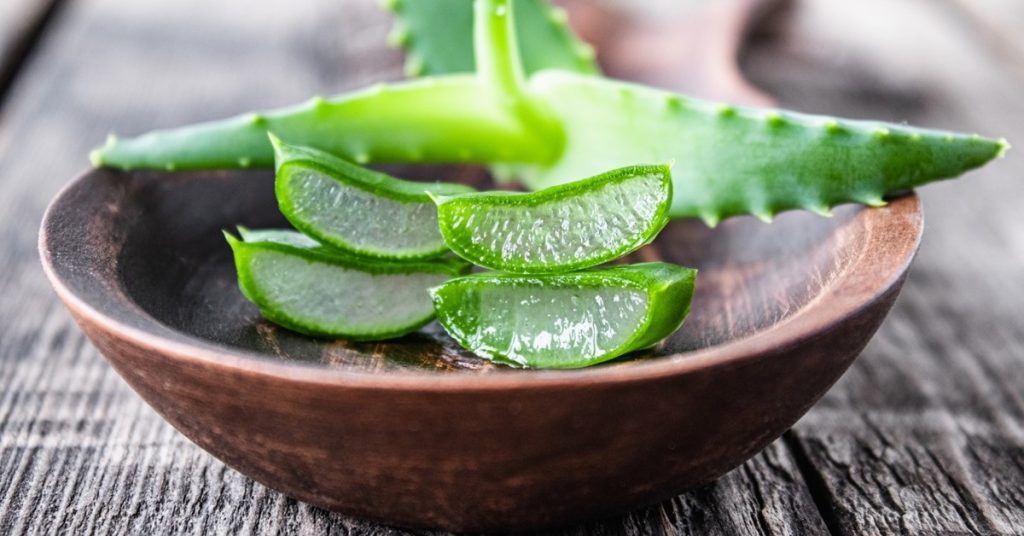
Why not love aloe vera? This awesome plant is so easy to grow that it would be a shame not to use its incredible properties. It practically thrives on neglect! I hardly pay attention to mine until I need a quick fix for a burn or a boost for my dull hair.
This plant has been present for ages, treasured for its incredible medicinal, beauty, and health benefits. The name “Aloe” is derived from the Arabic term “Alloeh,” signifying “shining bitter substance,” and the Latin term “Vera,” representing “true.” During ancient times, approximately 2000 years ago, the ancient Greeks were fully captivated by aloe vera, deeming it the ultimate cure. And the Egyptians? They went above and beyond, calling it “the plant of immortality.” Quite remarkable, isn’t it?
If you are like me and just want to spice up your health with a versatile herb, aloe vera is your best option. It’s been trusted for generations, and with valid reasons – because when it comes to staying glowing and super healthy, aloe vera is the real deal!
In This Article:
Health Benefits of Aloe Vera
Aloe vera isn’t just any ordinary plant – it’s been a favorite medicinal solution in old medicine for centuries. People have been utilizing it externally or internally to cope with various health issues. And now, aloe vera skincare products, supplements, and juices are showing up everywhere, all promising incredible results.
Wound Healing With Aloe Vera
I love how remarkable aloe vera is for wound healing. Throughout centuries, people have used this incredible plant to deal with various injuries, from minor sunburns to bedsores. Recent studies support what has been recognized for ages – aloe vera nature’s plaster, facilitating the healing of ulcers, burns, and cuts.
A study shows that it’s even more impactful than commonly used therapies including antibiotic creams and petroleum. Plus, it not only speeds up the process of healing – it also reduces pain and keeps scars moisturized and supple.
Promoting Skin Health and Aging With Aloe Vera
Now, let’s focus on how aloe vera maintains our skin youthful and healthy. Even though it might not be able to reverse time (a shame, I would love that), it’s definitely a superstar in skincare.
Filled with UV-protective compounds and antioxidants, aloe vera keeps the skin safe from damage from environmental factors and the sun. And guess what – frequent use of aloe vera gel can actually help in reducing dark spots and wrinkles, leaving our skin looking radiant and smoother.
So, whether you’re coping with wounds or seeking to maintain youthful skin, aloe vera is a complete treatment for all your skincare needs.
Tooth and Gum Diseases
In terms of oral health, aloe vera is a useful natural companion. Using it on your gums and teeth can help lower plaque buildup, reducing the risk of gum disease and cavities. And I haven’t even mentioned how you can save money on dental bills.
A 2022 study, showed that aloe vera has antibacterial properties and can effectively fight against the bacteria that lead to plaque growth, keeping your smile healthy and luminous.
Acid Reflux and Heartburn
Aloe vera provides unexpected benefits for the digestive system. It can change the game in managing heartburn and acid reflux when consumed internally. It gives your stomach a vital pause, reducing the production of those bothersome stomach acids. And here’s the twist, studies show that aloe vera may interact with your gut-brain axis, which is quite fascinating!
In another research study with individuals dealing with GERD (Gastroesophageal Reflux Disease), aloe syrup revealed some serious benefits. It performed well against regular meds in easing those irritating acid reflux symptoms.
So, next time your stomach is causing problems, why not try to use aloe vera? Your tummy might appreciate the gesture.
Diabetes
The argument on whether aloe vera can efficiently lower blood sugar levels for individuals with type 2 diabetes remains controversial. Researchers claim it might boost insulin sensitivity, helping the cells’ glucose absorption.
A new study, including numerous research projects and approximately 1,000 participants, offers some clarity. These outcomes indicate there’s a moderate level of evidence backing aloe vera’s capability to lower the levels of blood sugar in people with type 2 diabetes. In addition, it might provide evidence of moderate to high levels in preventing diabetes progression in individuals with prediabetes.
Even with my efforts to stay healthy, I sometimes treat myself to a delicious cake or a homemade dessert. Regardless of whether aloe vera really helps lower blood sugar, I will enjoy a refreshing glass of aloe vera juice with my cake.
Habitat
Aloe vera is quite an awesome plant. It’s similar to the ultimate survivor, with its deep roots and knack for thriving in extremely dry weather like Asia and Africa.
But here’s the surprise – they’re not only limited to extremely dry locations. Nope, these sturdy plants can withstand subtropical areas, whether it’s rainfall, summer, or winter they’re facing. Their capacity to adjust relies on factors like their tolerance for water and fires and the quantity of water they need.
From coastal level to lofty peaks of 2700 meters, aloe species are real travelers, adapting everywhere from thick forests to desert landscapes. And though most are easygoing about where they inhabit, some are slightly selective and have their particular preferences. Also, even the size and form of the animals that pollinate this plant can impact where they thrive. It’s a chaotic world out there for this plant!
Propagation Techniques for Aloe Vera
Just like other succulents, aloe vera can be propagated easily by offshoots or division methods. While my favorite technique is repotting the pups, I will explain both methods.
Repot Offshoots
When your aloe is planted, you’ll observe these adorable tiny offspring sprouting beside the parent plant. These are tiny replicas of the main plant called “pups.” Now, the ideal method to expand your aloe family is by gently splitting these pups from the parent plant.
Take a trowel and carefully loosen the soil surrounding the pups. Go slowly to prevent causing harm to their roots. After loosening the soil, gently pull the pup from the ground, aiming to maintain its root system.
Now for the enjoyable part – searching for a new place to call home! Gather some appropriately sized pots and add well-draining sandy soil to them. Place each tiny pup into its specific pot or group them for a fashionable display.
The exciting part is that these freshly potted pups will gradually mature into a complete aloe plant, prepared to produce more pups in the future. It’s like observing your aloe vera plant prosper right before you!
Create Cuttings From Mature Plants
Now, if you want to grow your aloe vera family, handling the pups is the simplest technique, still, you can also experiment with cuttings. According to experts in tropical plants, pruning mature leaves can foster the growth of healthy new foliage.
To start with cuttings, take some trimming shears and make a neat and precise snip on a mature leaf. Once you’ve trimmed it, allow the cut end to air-dry on a paper towel for a couple of days. This prevents decay. If the leaf begins to break down, you’ll need to start again with a new one. However, if it dries out nicely and produces a scab, it’s set to be placed in damp (not waterlogged) soil.
Potential Aloe Vera Risks
Side Effects of Aloe Vera
Topical
Some people may experience a stinging sensation, burning, or even redness. Occasionally, sensitive people might even develop a significant rash. This typically occurs because of particular compounds such as barbaloin and aloin. So, it’s better to test a small amount on your skin first to get familiar with the outcomes.
Oral
Aloe vera may lead to a few tummy issues like diarrhea and cramps. In some cases, it can even lead to liver issues or red urine.
Contraindications
If you’re allergic to any plant in the Liliaceae family, aloe vera may not be the preferred choice for you.
Pregnancy and breastfeeding: Pregnant women should not consume aloe vera by mouth. Some suggest that it might initiate contractions, which can be harmful during pregnancy. And if you’re breastfeeding, using aloe orally might sometimes trigger stomach issues for your little one. So, it’s wise to abstain from it.
Interactions
When applying aloe vera to your skin, it can improve steroid cream absorption, which can make it less effective.
If taken orally, it can interact with several medications including diuretics and cardiac therapy, resulting in possible problems like potassium depletion.
Preparations of Aloe Vera
Aloe vera can be consumed in different ways. Let’s explore my favorite and easiest ways to prepare it.
Aloe Vera Gel
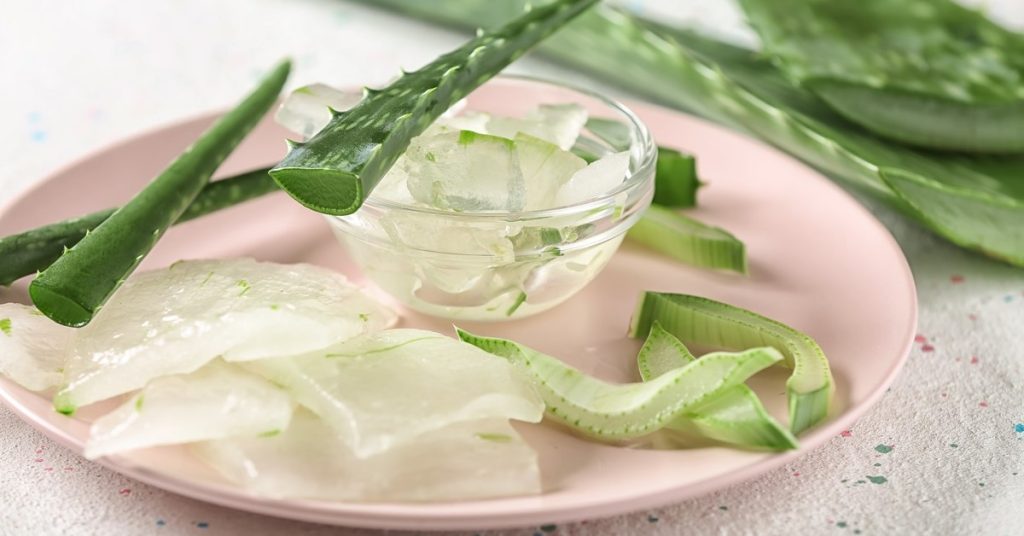
- Snip away an outer leaf from the bottom of the aloe plant
- Rinse the leaf well to wash away any dirt. Put the leaf vertically in a glass or jar to allow the resin to drain out
- Once the resin is drained, rinse away any leftover residue and peel away the thick skin using a vegetable peeler or a small knife
- Following the peeling of the leaf, use a small spoon to extract the aloe vera gel. Be cautious to avoid any fragments of skin
- Place the gel in a blender and blend until it turns bubbly and foamy, which must only take a few seconds.
- This gel can be kept in the fridge in an airtight container for about 7 days
Aloe Vera Juice
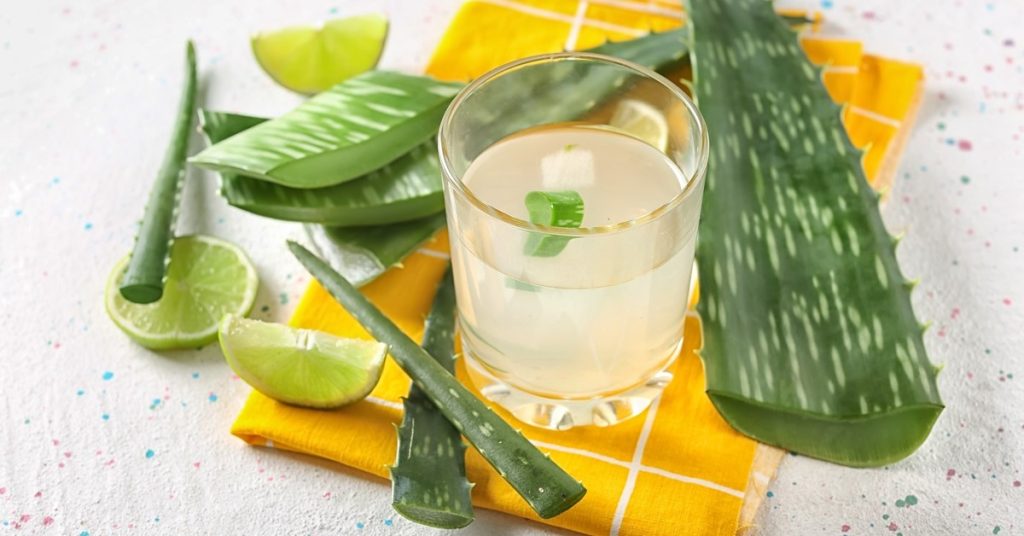
- Wash the aloe vera leaf to eliminate impurities and dirt then slice and extract the gel
- Add roughly one cup of the gel into a blender
- Combine one cup of water, juice of half a lemon, and one to two tablespoons of honey in the blender
- Blend the mix until it becomes smooth
- Empty the aloe vera juice into a glass
- Let it cool in the refrigerator for an hour before drinking for a refreshing, chilled drink
Aloe vera is a lovely addition to any homestead. Its versatile properties make it a go-to solution for many needs. I’m curious, how do you use yours?
The information presented in this article is for educational purposes only and should not be considered medical advice. Always consult with a qualified healthcare professional before making any changes to your health regimen.