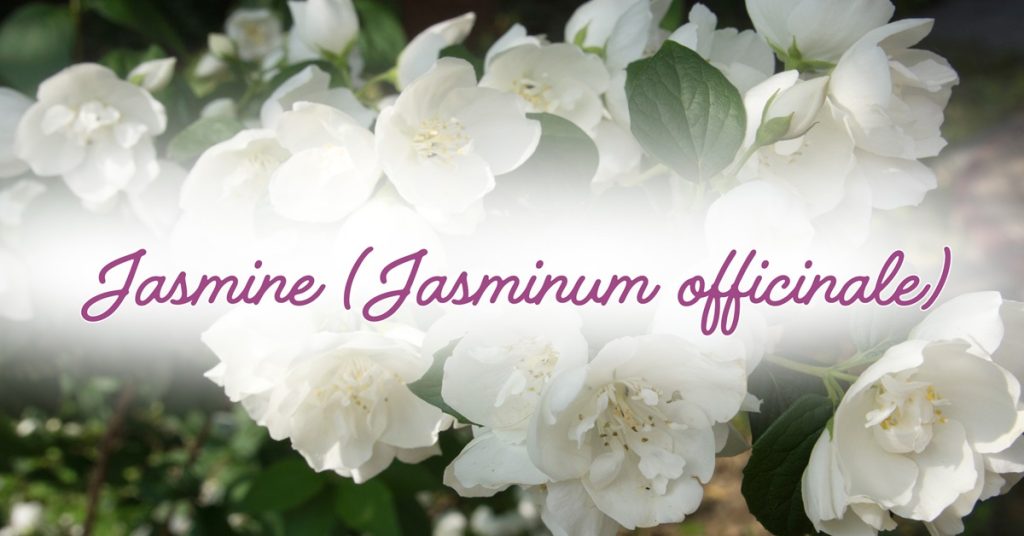
Do you dream of creating a flower garden filled with vibrant and fragrant flowers? If so, jasmine should be at the top of your list!
When I first planned my flower garden, jasmine (Jasminum officinale) plant was my favorite choice – and for good reason. Its beautiful, aromatic flowers bring a touch of serenity to any garden. If you haven’t grown this delicate flower in your garden or backyard, now is the perfect time to start.
When choosing the perfect jasmine, it’s important to select a suitable variety (I prefer Jasminum officinale) for your garden. This plant comes in multiple varieties, and I am sharing a few of them with you here:
- Arabian Jasmine (Jasminum sambac)
- Italian Jasmine (Jasminum humile)
- Winter Jasmine (Jasminum nudiflorum)
- Pink Jasmine (Jasminum polyanthum)
- Spanish Jasmine (Jasminum grandiflorum)
Let’s explore more about Jasminum officinale in this article.
In This Article
Characteristics
Let’s explore the characteristics of this aromatic plant.
Classification
- Scientific Name: Jasminum officinale
- Common Name: Common Jasmine, Poet’s Jasmine
- Family: Oleaceae
- Kingdom: Plantae
- Class: Magnoliopsida
- Order: Lamiales
- Genus: Jasminum
- Specie: Officinale
Primary Characteristics
Roots
- The fibrous and thin network of jasmine roots spreads laterally
- The young roots have a smooth texture, while the mature ones are rough and woody
- They are light brown to white
Stems
- These thin and flexible stems are green when young and turn brown when mature
- These stems can climb when supported by a wall (fence) or frame
Seeds
- The seeds are tiny (0.5 cm) in diameter and are in a shell-like structure
- These seeds have a berry-like appearance with a smooth texture
Leaves
- The oval-shaped, long (5-10 cm), and pointed leaves are rich green
- The leaves are arranged in a simple, alternate manner with smaller 3-9 leaflets
- These leaves have a silky texture with a glossy surface on the upper side, while hairy on the inner sides
Flowers
- The flowers are the most beautiful and aromatic part of the jasmine plant
- They are small (2-3 cm) in diameter and have a delicate velvety texture
- The flowers bloom in clusters of 5-9 small, white to pale pink petals
- Jasmine flowers are used in jasmine tea, the perfume industry, and aromatherapy
Secondary Characteristics
- Plant Form: Perennial (shrub or climbing vine)
- Height: 5-15 ft (1.5 – 4.5 m)
- Odor: Aromatic and sweet with a floral note
- Taste: Sweet and fruity
- Habitat: Africa, Asia, and Australia (tropical and subtropical regions)
- Soil type: Well-drained with acidic to neutral pH
- Planting Time: Spring
- Germination Span: 4-6 weeks
- Part Used: Flowers
- Substitute: Chamomile tea is the best alternative to jasmine tea
Health Benefits of Jasmine
While I appreciate the sweet scent of jasmine flowers in my garden, this plant is also loaded with antioxidants and is one of the best medicinal plants that aid my family’s health issues.
Let’s explore the benefits of this delicate plant.
Jasmine Boosts Your Mood
Jasmine oil has calming effects on the brain when it’s under stress. It can boost serotonin levels in your body, improving sleep and tackling your mood swings.
Skin Hydration
Jasmine’s anti-inflammatory and moisturizing properties hydrate dry eczema skin and clear acne scars.
It also treats acne breakouts and reduces wrinkles.
Reduces Menstrual Cramps
Jasmine reduces painful cramps during menstruation and aids in better menstrual flow.
Heart Health
The antioxidant properties in jasmine prevent bodily stress and aging.
This plant also boasts anticoagulant properties, helping to prevent blockage in heart vessels.
Jasmine tea effectively reduces high cholesterol levels and fat deposition in your body.
Sexual Health
Did you know jasmine can boost sexual desire? Traditionally, it has been used to enhance libido and stamina. Its alluring fragrance and mood-lifting properties may help with low libido and premature ejaculation.
Side Effects of Jasmine
Generally speaking, consuming jasmine in food amounts, such as flavoring agents in baking and herbal tea, is LIKELY SAFE for most individuals.
However, there is a high caffeine content in jasmine tea, which can cause some possible side effects:
- Trouble sleeping
- Stomach problems (diarrhea and nausea)
- Restlessness
- Anxiety-like symptoms (jitters)
Who Should Avoid Taking Jasmine?
- People allergic to fragrances should avoid jasmine-infused products
- Pregnant or breastfeeding mothers should check with their healthcare providers before consuming the tea
- Iron-deficient or anemic individuals, as jasmine contains catechins, which interfere with iron absorption
- People taking anti-hypertensive (for high blood pressure) and sedative medications
How to Grow and Harvest Jasmine
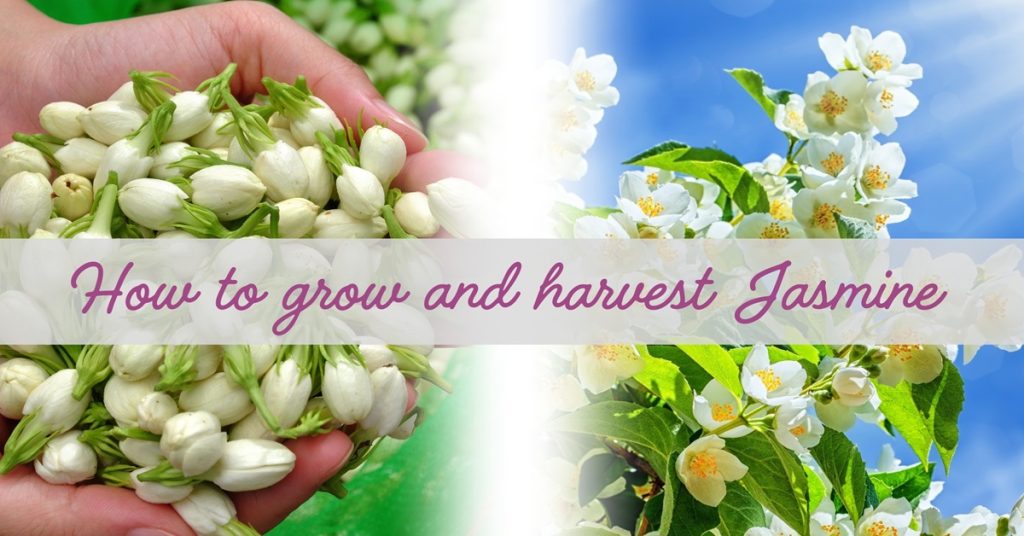
I started growing vibrant plants to make my “flower garden“, which holds a special place in my heart. I love their blooms, fragrance, and colors, which bring freshness to my home!
Here is a simple guide for growing jasmine.
Growing Jasmine from Seeds
- It grows best in well-drained soil with a pH of 6.5-7.5 that receives at least 6-8 hours of sunlight
- Add compost to your soil
- Sow the seeds (soaked overnight) in the soil about 1/4 inch deep and gently cover them with a thin layer of soil
- Moist the soil using a water spray regularly till the seedlings appear (takes eight or more weeks)
- Once the seedlings are 3-4 inches tall with a few sets of green leaves, transplant them into a larger pot
Tip: If you prefer to plant them in your garden, dig a hole (twice as big as the root ball) and follow the above guide!
Growing Jasmine from Cuttings
- Choose healthy cuttings of 4-6 inches with 3-4 leaf sets and no signs of pest damage
- Remove the leaves from a cutting (at the bottom) and dip the cut end in rooting hormone
- Make a small hole using your finger in a pot (soil) and insert the cutting 3-4 inches deep
- Water the soil regularly to maintain moisture
- Monitor the root growth (takes 4-6 weeks) by lightly tugging on the cutting (if you feel resistance, that indicates roots are developing)
- Once the cuttings have developed (around 8-10 weeks), you can transplant them to another pot and place them near a wall or fence for support
Harvesting
Gently pluck the flowers and leaves in the early morning, when their scent is most intense.
Storing Jasmine
After plucking those fresh and fragrant flowers, you want to keep them for as long as possible.
These easy storage methods allow you to keep the scent and freshness of the flowers for up to a month!
Drying
Tie the harvested flowers together (make a bunch) with a loose string and hang them upside down in a well-ventilated and dry area (avoid direct sunlight). Let it sit for one week.
Spread the leaves on a tray. Place the tray in a well-ventilated and dry area. Let it sit for one week.
Tip: Use airtight containers to store them!
Tea Bags
Grind the dried flowers and leaves to make a fine powder. Fill the empty tea bags with the ground flowers and leaves to make hassle-free jasmine tea!
Refrigerate
Place the flower buds in an airtight container (half filled with water) to maintain the freshness.
Infused-Oil
Add the flowers (fresh or dried) to a carrier oil (olive or coconut oil) in an airtight bottle and store them in sunlight for at least one week.
Tip: This oil promotes hair growth and is edible (sprinkle a few drops on jasmine rice)!
Scented Balm (Salve)
Another way to store the flowers is to make a scented balm or salve.
Simply make a salve using infused oil and beeswax. Apply this DIY scented balm on your neck and armpits.
How to Consume Jasmine
Did you know you can elevate your culinary skills to the next level simply with a jasmine flower? Definitely! Beyond its uses in ornamental purposes, perfume, and cosmetic industries, this aromatic flower can level up your dishes too.
Here are the ways you can consume this aromatic flower:
- Jasmine Tea (I prefer fresh flowers and leaves)
- Syrup – it blends well with panna cotta, desserts, and cocktails
- Rice – I preferred to add a floral touch to my plate of plain rice. Try this blend if you haven’t done yet.
Glorify your garden and health with the purity of Jasmine!
The information presented in this article is for educational purposes only and should not be considered medical advice. Always consult with a qualified healthcare professional before making any changes to your health regimen.