I come from a nature-connected family and have beautiful memories from my childhood that have shaped my way of life. I grew up watching my mother and grandmother grow their favorite herbs, including lavender, thyme, and basil, which they used for medicinal and culinary purposes. These experiences deeply connected me to herbs, and what began as a childhood curiosity has since grown into a passion for herbal recipes.
Today, I use this aromatic herb not only for its culinary uses but for its health benefits as well.
You might wonder why I include it among herbs, as it’s often considered a flower. I have chosen purple lavender for its potent health benefits, and it also makes a wonderful culinary herb, enhancing a variety of dishes. That’s what I’m excited to share with you in this article.
In This Article:
Lavender Varieties
Lavender (Lavandula angustifolia) is one of the most adorable and versatile plants. It can enhance the beauty of your flower garden.
With around 45 varieties, this flower might have different care needs, but they all share helpful traits such as pests-repellent, a characteristic fragrance, minimal care, and drought tolerance.
Here are a few of the most fragrant and adorable varieties for your garden:
- Spanish lavender (Lavandula stoechas)
- French lavender (Lavandula dentata)
- Lavandin (Lavandula x intermedia)
- Fernleaf lavender (Lavandula multifida)
- Portuguese lavender (Lavandula latifolia)
- Hidcote lavender (Lavandula angustifolia ‘Hidcote’)
- White lavender ‘Alba’ (Lavandula x intermedia ‘Alba’)
Characteristics
Let’s dive right into the characteristics of this aromatic plant.
Classification
- Scientific Name: Lavandula angustifolia
- Alternative Name: Purple lavender, English lavender, Garden Lavender
- Family: Lamiaceae
- Kingdom: Plantae
- Class: Magnoliopsida
- Order: Lamiales
- Genus: Lavandula
- Specie: Angustifolia
Primary Characteristics
Roots
- This plant’s fibrous rooting system has delicate, shallow roots that spread widely and 8-10 inches deep
Stems
- The upright stems are woody from the base, while the upper parts are herbaceous (green)
- They grow in branches, forming a bushy impression
Seeds
- The oval-shaped seeds are tiny (1-2 mm) and glossy
- They are smooth and dark brown to black in appearance
Leaves
- The lance-shaped and narrow leaves are 1-2 inches long with a fuzzy texture (having delicate hair)
- The leaves are green with a slight touch of silver
- They are characteristically aromatic (when crushed) due to essential and volatile oils
Flowers
- The flowers are small (1 cm) and tube-shaped
- They grow in clusters of 5-10 flowers in whorls (spirals) around the stems
- They have a delicate texture and velvety surface with vibrant purple hues
- Colors vary from pink, violet, and lilac (depending on its varieties)
- The oil glands embedded among star-shaped trichomes or plant hair produce the fragrance of sweet flora
Secondary Characteristics
- Plant Form: Perennial herb or evergreen shrub
- Height: 1-3 ft
- Odor: Strong, sweet with floral and herbal notes (resemble rosemary)
- Taste: Sweet, floral, and slightly bitter
- Habitat: Mediterranean
- Soil type: Well-drained with neutral to alkaline (basic) pH
- Planting Time: Spring/Fall
- Germination Span: 14-28 days
- Part Used: Flower buds and leaves
- Substitute: Sage and Thyme
Uses of Lavender
Do you want every corner of your house to be fresh and fragrant? If so, use lavender-based products and enjoy its soothing fragrance.
Here are the ten uses of this delicate flower in your life:
- Linen spray
- Air freshener
- Soaps and shampoo
- Detergent
- Herbal bath soaks
- Salves
- Sachets
- Scented candles and perfumes
- Floral wreath
- Essential oil
Health Benefits of Lavender
Did you know that smelling lavender has calming effects that benefit your health in various ways?
Discover the incredible health benefits of this amazing herb and you’re bound to want to grow some yourself.
Insomnia
This versatile plant has a calming effect on your mind. It can fix your sleep cycle by managing insomnia and you might feel more rested in the morning.
I use lavender sachets under my pillow at night to calm my hyperactive mind before bed.
Aches and Pains
This purple powerhouse has analgesic effects that relieve muscular pain, cramps, sprains, and strains.
This plant also treats migraines and other types of headaches.
Tip: Apply lavender oil or salve on affected areas to relieve pain!
Cough and Congestion
A 2023 study shows that lavender can effectively alleviate respiratory symptoms, including cough, flu, congestion, and excessive mucus.
This plant aids sinus headaches (related to congestion) by draining mucus, allowing air to circulate throughout the nasal tract.
Lavender for Hair
Lavender oil treats many forms of hair loss, such as alopecia areata (hair loss in patches). It stimulates hair follicles by improving blood circulation to your scalp, promoting healthy hair.
Lavender for Skin
It contains anti-inflammatory compounds (Linalool and Linalyl acetate) which are effective at treating various skin conditions. This herb not only fights bacteria but also soothes the skin, making it beneficial for issues such as:
- Acne
- Eczema
- Minor cuts
- Burns
- Wounds
Tip: Add lavender salve to your skincare!
Side Effects of Lavender
If you consume it in food amounts, then it is likely to be safe.
However, excessive use of lavender-infused products topically and orally might harm your health and cause some side effects.
Oral
- Upset stomach
- Heart palpitation
- Headache (due to active compounds)
- Change in appetite
- Hormonal interference
Topical
- Allergic reactions (rash, itch, or redness)
- Sunburn
Who Should Avoid Using Lavender?
- People allergic to fragrances should avoid lavender-infused products, such as perfumes, soaps, and other cosmetic products.
- Pregnant and breastfeeding mothers should speak with their healthcare providers before using it (orally and topically)
- People taking sedatives or anxiety medications, as lavender may interact with them, leading to dizziness and drowsiness
How to Grow and Harvest Lavender
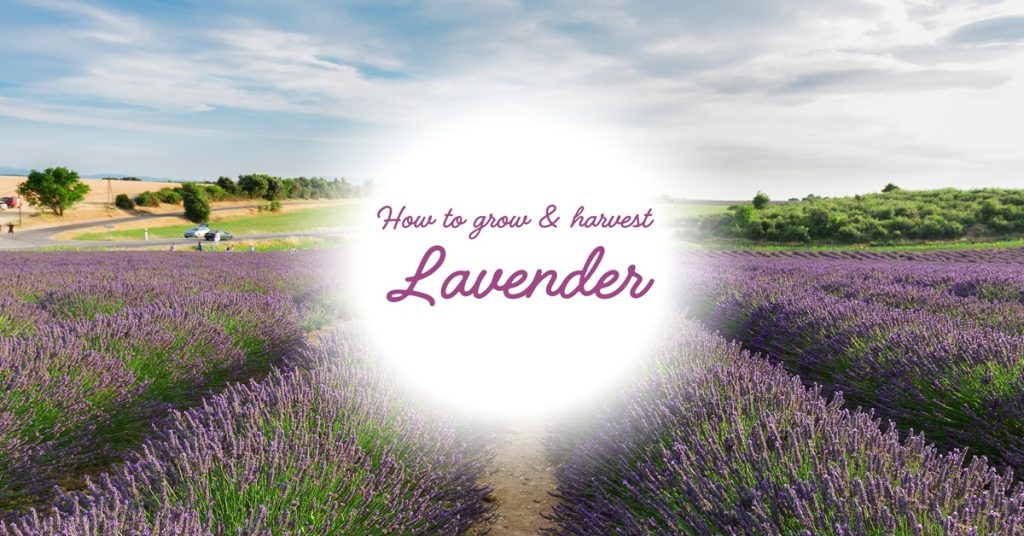
Are you new to gardening or homesteading and dreaming of a pest-free garden? Start by growing lavender! This wonderful herb attracts honey bees and butterflies while repelling aphids and other pests. Plus, its delightful floral and herbal fragrance adds a charming touch to any flower garden!
Here is a simple guide for growing this useful plant.
Growing
- This beautiful flower thrives in well-drained soil with neutral to alkaline pH, receiving full daylight (6-8 hours/day)
- Enrich your soil with organic compost
- Plant the seeds 1/8 inch deep in the soil and 12-15 inches apart
- Keep the soil moist thoroughly till germination
- Once established, regular watering isn’t needed (as it is a drought-tolerant plant)
Can you grow lavender from cuttings straight into the ground?
The short answer is Yes! You can grow it from cuttings (the same as I grow the cinnamon plant).
However, when growing it from cuttings, you can choose softwood (from a new plant) or hardwood (from a mature plant). Softwood cuttings will root easily but need to be handled with more care, while hardwood cuttings will take longer to root.
Harvesting
I prefer mornings to harvest lavender when their oils are most intense. Gently prune the flowers and leaves using a sharp pruner.
Storing Lavender – Simple Techniques
As a child, I watched my mother effortlessly store herbs using simple techniques. She relied on airtight containers, which are essential for preserving the freshness and aroma of herbs.
Here are the simple techniques you can use to store this aromatic herb.
Drying
Simply spread the harvested flowers and leaves in two separate trays. Place the trays in a well-ventilated, dry corner of your house (avoid direct sunlight) and let them sit for two weeks.
Tea-Bags
Use dried flowers and leaves to fill tea bags.
Lavender Sachets
These sachets (filled with fresh or dried flowers) keep closets fresh, fragrant, and bug-free.
Lavender Tincture
This soothing tincture offers a range of benefits, from helping with insomnia to treating alopecia, a type of hair loss.
Salve
My family and friends know that herbal teas and salves are my priority for self-care. The lavender salve is gentle yet effective for headaches.
Essential Oil
Lavender oil is one of the most potent essential oils for my hair. I make an herbal blend using rosemary, thyme, and lavender oil.
How to Consume Lavender
Many people wonder, ‘Is lavender edible?’ The answer is a resounding yes! The fun part of using this plant in culinary is its vibrancy and floral taste.
Let’s explore how to consume this versatile plant:
- Tea
- Syrup
- Tincture
- Powder
- Fresh flowers to your salad bowl and ice-cream scoop
- Lavender-infused honey and vinegar
Tip: Mix dried lavender and echinacea flower powder to give your baked goods floral vibrancy!
Calm your soul with Purple Lavender!
The information presented in this article is for educational purposes only and should not be considered medical advice. Always consult with a qualified healthcare professional before making any changes to your health regimen.