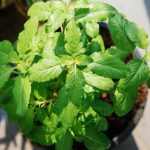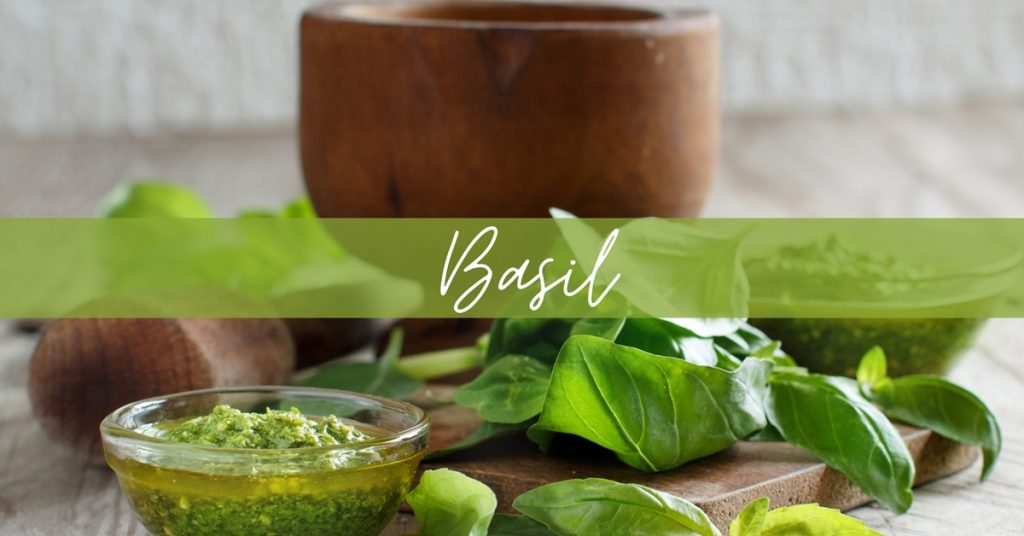
One of my favorite things about summertime is the fresh herbs in my garden, and this article is all about admiring my childhood favorite herb, basil! Let’s dive in with me!
In This Article:
Popular Varieties of Basil
Ocimum basilicum (basil) is a king of aromatic herbs and a member of the Lamiaceae (mint) family from Asia.
I am amazed by how this single herb in my garden can have more than 60 different varieties!
Let me tell you the most popular ones.
- Sweet Basil (sweet taste)
- Genovese Basil (the Italian sister of basil)
- Thai Basil (licorice-like taste)
- Purple Basil (reddish-purple leaves)
- Holy Basil (tulsi in Hindi, popular in Ayurveda Medicine)
Characteristics
As a homesteader, you may share my curiosity about herbs’ classification and characteristics. It’s a basic topic that sparks my interest, and I love to share it with you.
Let’s jump into the characteristics of the basil plant.
Classification
- Scientific Name: Ocimum basilicum
- Family: Lamiaceae
- Kingdom: Plantae
- Class: Magnoliopsida
- Order: Lamiales
- Genus: Ocimum
- Species: Basilicum
Primary Characteristics
- Roots: A network of fibrous roots extends horizontally in an acidic and well-drained soil.
- Stem: The stems are vertical (11-50 inches), square-like in shape, and greenish-red-purple (depending on their varieties)
- Seeds: The seeds are small and spherical; there is a tiny black capsule per seed
- Leaves: Ovoid-shaped leaves with smooth and shiny textures and zig-zag patterns on their edges. Depending on their varieties, it is vibrant green to rich purple
- Flowers: The tiny, rich white or purple florets arranged in bunches attract bees for pollination
Secondary Characteristics
- Plant Form: Herbaceous (annual/perennial)
- Height: 11 to 25 inches
- Odor: Aromatic (mint-like)
- Taste: Sweet/peppery
- Habitat: Africa – South East Asia
- Soil Type: Well-drained, fertile soil with a slightly acidic pH (6.0)
- Bloom Time: Late Spring to early Summer
- Parts Used: The leaves, stems, seeds, and flowers are used for culinary and medicinal purposes
Uses of Basil
Unlock the Culinary Uses
Basil has been one of my favorite herbs since childhood and holds a special place in my garden. I love its taste, the bright green color of its leaves, and its pleasing aroma in my dishes.
There is no doubt that basil is known for its culinary uses globally. Here are my best culinary uses:
- Basil leaves are the star ingredient of traditional pesto, Italian pizza, sandwiches, and pasta
- Basil seeds enhance the freshness of summertime drinks and my bowl of fresh yogurt.
- For garnishing, sprinkle a few dried basil leaves on your daily dishes to add flavor and aroma
- Infuse basil leaves in herbal teas, butter, and decoctions, or add them to your salad on your no-cooking days
Basil-infused Herbal Soaps
A while ago, I was gathering scientific proof for making DIY herbal soaps and, fortunately, I have encountered some herbal soap-making using basil leaves.
A 2015 study showed that the chemical compound Linalool in basil leaves possesses antibacterial and antioxidant properties that fight against bacterial acne and prevent wrinkles.
Easy-To-Make Basil Soap at Home
Here is my recipe for making basil soap at home. Trust me, you can do it all by yourself in the comfort of your home:
- Slice a soap base (I use glycerin) into small cubes and put them in a saucepan on medium heat for 5-10 minutes
- Stir the soap base using a spatula till it melts completely
- Once melted, add basil leaves (dried/fresh)
- Add two drops of lemon/rose syrup (optional)
- Pour the soap mixture into a mold of your choice and allow it to settle at room temperature
- Once settled, pull the basil soap bar out from the mold, and it’s ready to use (Tadaa!)
Health Benefits of Basil
Have you ever wondered about basil’s several health benefits beyond its culinary uses?
Let me share what I have found out about this aromatic herb over the years.
Sustaining Heart Health
Eugenol, a chemical compound in basil, can block calcium channels in the human body, ultimately lowering blood pressure and cholesterol, sustaining heart health, and improving blood flow.
Fights Wrinkles, Fine Lines, and Acne
Do you have oily and acne-prone skin? Wrinkles showing up? Try basil!
Basil essential oil and extracts possess an antioxidant property that reduces wrinkles and fine lines, leaving younger-looking skin.
Moreover, the antibacterial properties will fight bacterial acne, reducing the excess oil on the T-zone area and providing clear skin.
Supporting Mental Health
Holistic medicine believes that basil is a king herb for keeping mental health on track!
If you are suffering from stress, add basil to your diet, as it calms your anxiety and manages your stress levels.
Good For Your Teeth
I am always looking for healthy and natural alternatives to manage my health, including my oral health. While I use regular toothpaste for my daily oral hygiene, I also rely on basil for occasional toothaches and to prevent tooth decay.
The antimicrobial and analgesic (pain-relieving) properties of basil essential oil are beneficial for toothache and fight bacterial infections. Just moist a cotton ball with this essential oil and apply it to your teeth and gums, three times a day.
Fights Cancer-causing Cells
A 2020 study reveals that polysaccharides in basil are potent compounds for fighting cancer-causing cells in the human body.
Basil Seeds Aids Weight Loss
I’m curious if many of you are tired of stubborn belly fat, and are looking for manageable alternatives to reduce your waistline.
Drinking soaked basil seeds with a few drops of lemon in lukewarm water may aid in weight loss, bloating, and cravings. It is rich in fiber, which is also beneficial in chronic constipation.
Possible Side Effects of Basil
It is safe when consumed in nutritional quantities and for flavoring purposes.
But it’s necessary to admit that, like other herbs, it may also have some possible side effects.
- As per the scientific evidence, basil (oil and extract) contains a compound, estragole, which acts as a carcinogen (cancer-causing) and might increase the risk of liver cancer
- It may worsen your blood disorder, such as low blood pressure, slow down blood clotting, and increase bleeding issues
- It may upset your stomach, causing vomiting, diarrhea, and indigestion
Note
- Do not use basil in excess with your blood-thinning medications
- Pregnant and lactating women should speak to their health provider before consuming it.
How to Grow and Harvest Basil
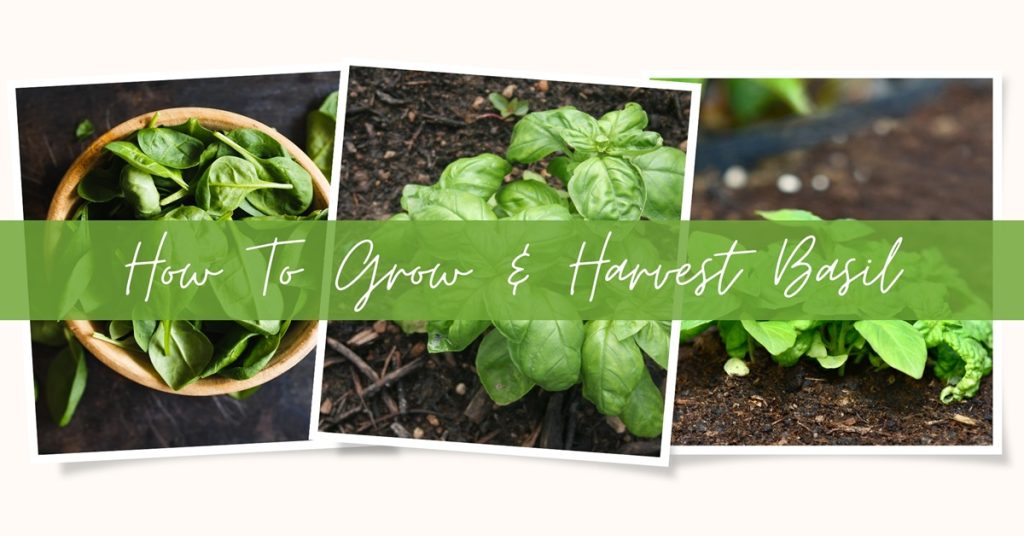
Growing and harvesting basil is easy! Just follow these steps.
Growing
- The ideal soil for growing basil in your garden should be well-drained with a slightly acidic pH and obtain adequate sunlight (approximately 5 to 7 hours/day)
- Adding organic matter to the soil is a plus point, as it boosts the health of your basil plant
- Initially, you can sow seeds indoors, where the potting soil is warmer (basil thrives in the warm atmosphere)
- Spread the seeds ¼-inch deep in the soil at 60ºF-70ºF
- Spacing between the seeds should be 11-17 inches apart for better growth
- Water the plant (at the base) to prevent fungal infections
- Place the seedlings into small pots when two or more leaves are visible
Harvesting
Harvesting basil is very simple. You can collect fresh basil when the plant has five to eight sets of leaves.
I use scissors to cut the fresh leaves from my garden or pinch off its branches for cooking purposes.
Note
- Be very careful when cutting leaves with a sharp knife or scissors
- Cut the leaves or pinch off its branches (do not pluck them)
- Start harvesting from the top of the plant, where other leaves will quickly fill in
- Stop harvesting when the plant has 2-4 sets of leaves left. This will give it time to produce more leaves
- Regular pruning (harvesting) encourages steady growth.
- Planting basil near pot marigolds, garlic, and aloe vera can repel mosquitoes and whiteflies
Storing and Preserving Basil
Basil is an effortless plant to store and preserve. Here are a few methods to store (preserve) this aromatic herb.
Refrigeration
- Prune the stems of fresh basil and put them in a jar of water
- Cover the jar with a paper bag and keep it in the refrigerator
- Change the water every second day to keep it fresh
Drying
- Tie harvested stems together and hang them upside down in a warm, dry area away from the sunlight for 2-3 weeks
- Once dry, you can leave the dried leaves as they are or grind them into a powder. Keep them in an air-tight container in a dark place and use them within a year
- Keep in mind to dry your leaves completely before storing them
Freezing
Can you freeze basil? Yes, you can! I knew it was possible, but I had started using this method recently.
- Wash the harvested leaves thoroughly and blanch them in simmering water for 10-15 seconds, then transfer them to an ice bath (fill a large bowl with cold water and ice)
- Spread the blanched leaves on parchment paper and pat them dry with a paper towel
- Put the parchment paper in the freezer overnight
- Transfer the frozen leaves to a freezer-safe container and use it within six months
How to Consume Basil
The aromatic flavors of basil blend well with various dishes, including some of my favorite recipes that bring me memories of a lazy Sunday!
I love the end of the day when I make pesto pasta for dinner and all the aromas spread throughout my home. It brings me warmth and comfort.
To give you the same enjoyable experience, I would like to share some of my favorite dishes.
Classic Pesto
You Need
- Fresh basil leaves ( 8-10)
- Freshly grated parmesan cheese (2 cups)
- Extra virgin olive oil (half cup)
- Pine nuts/walnuts (half cup)
- Minced garlic (2-3 cloves)
- Salt and freshly ground black pepper (to taste)
Method
- Toast the pine nuts/walnuts in a pan over medium heat until lightly golden and aromatic. Remove from the heat and let it cool down
- In a food processor, process the basil leaves, toasted nuts, and minced garlic until coarsely chopped
- With the food processor still running, drizzle the olive oil until the mixture is smooth and well-blended
- Add the grated parmesan cheese and pulse again
- Season the pesto with salt and pepper to taste
Note
- You can store the pesto in an air-tight container and freeze it for up to one week
- Add it to pasta, grilled sandwiches, or serve as a dip!
Herbal Butter
I remember my mom blending finely chopped basil leaves in butter – I swear it tastes like heaven!
She added it on grilled seafood, cooked veggies, and meat. As for me, I like to spread it onto slices of sourdough bread and toast them in the oven until it’s crispy and golden.
Basil Seed Drink
This refreshing drink can beat the summer days as it is nutritious and makes you feel recharged.
- My favorite way is to soak basil seeds for 5-10 minutes until they become a gelatinous texture
- I add two tablespoons of the soaked seeds to my juices, cocktails, smoothies, or water
- For sweetness, I love to add rose syrup or honey
Add the vibrancy, aromatic bliss, and taste of basil to your culinary delight! Which one will you choose?
The information presented in this article is for educational purposes only and should not be considered medical advice. Always consult with a qualified healthcare professional before making any changes to your health regimen.