Bay leaves (Laurel leaves) are not just simple leaves. Surprisingly, Yes! They are one of the most powerful ingredients in my kitchen, adding wholesomeness to my diet with their nutritional values.
In This Article:
What Are Bay Leaves?
Bay leaves come from the bay tree.
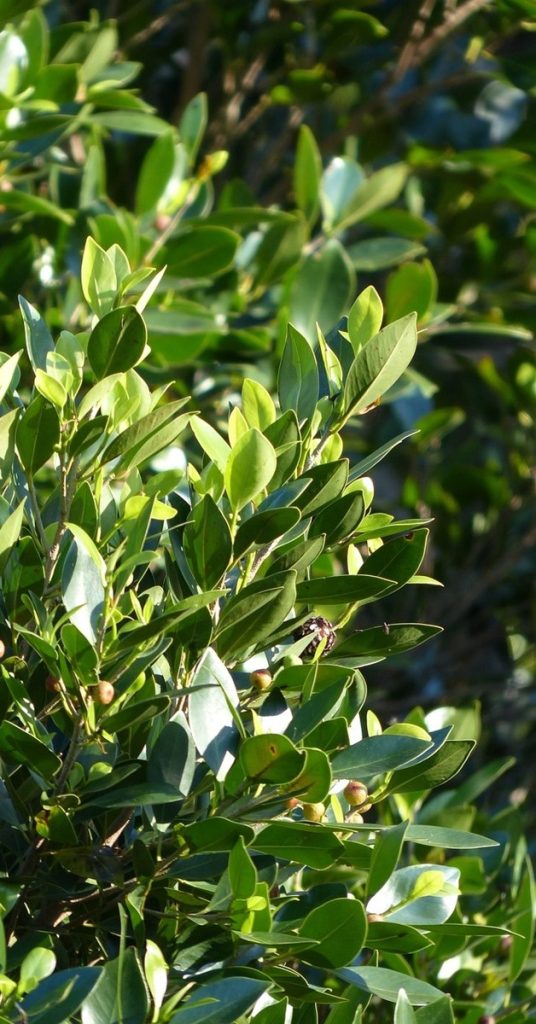
The bay tree (aka laurel tree, sweet bay, and noble laurel) is a small yet powerful tree from the Lauraceae family. It is originally from the Mediterranean region. Beyond its culinary uses, it provides diverse health benefits.
Do you want to know more about bay leaves? Let’s explore it with me!
Characteristics
As I always say, characteristics are important for identifying varieties of herbs, trees, and shrubs. So, let’s identify a bay tree based on the following.
Classification
- Scientific Name: Laurus nobilis
- Family: Lauraceae
- Kingdom: Plantae
- Class: Magnoliopsida
- Order: Laurales
- Genus: Laurus
- Species: Nobilis
Primary Characteristics
- Roots: The bay tree has a strong, fibrous root system that spreads widely in the soil and supports the whole tree
- Stem: The stems are woody, smooth, and greenish-brown to dark brown. They are used for crafting and ornamental purposes, such as topiary
- Fruit: The tree produces tiny (approximately 1 cm long) dark purple to black berries
- Seed: The tiny fruits hold a single seed, which can be cultivated in a new bay tree
- Leaves: The leaves are 3-5 inches long and have a leathery texture, smooth surface, dark green color, and pointed appearance
- Flowers: The flowers are small (1-2 cm in diameter), have light-yellow to green pigmentation with a slight fragrance, and grow in clusters
Secondary Characteristics
- Plant Form: Evergreen perennial tree/shrub
- Height: 10-20 ft (3-6 meters) and grow up to 50 ft (under ideal circumstances)
- Odor: Strong-pungent to sweet and slightly spicy (crushed leaves)
- Taste: Sharp (pepper-clove-like), with a hint of thyme and oregano
- Habitat: Mediterranean region (bay tree thrives in warm areas)
- Soil Type: Fertile and well-drained (neutral-acidic pH)
- Bloom Time: Spring season
- Germination Time: 20-50 days (approximately 2-6 weeks)
- Parts Used: Leaves and fruit (berries)
Uses and Health Benefits of Bay Leaves
The bay tree is a mighty tree when it comes to its versatile uses and diverse health benefits.
This lovely tree can enhance our culinary skills, beautify gardens for ornamental purposes, and be used in skin care and therapeutic applications.
Let’s unlock the uses and health benefits of bay leaves!
Bay Leaves for Cooking
Bay leaves’ aroma and flavor fill my kitchen with freshness. I use the leaves to season my rice, stews, quinoa, and curries. The leaves are a great flavor enhancer and blend well with roasted meat, sauces, and pickles.
I enjoy adding ground bay leaves to my bread dough for a slight herbal blend and earthy flavor during baking!
Bay Tree for Ornamental Purposes
A bay tree is a great way to enhance your entryway passage, balcony, and garden with topiaries. It creates an aesthetic look that your guests will truly admire.
Itchy Scalp and Dandruff
Do itchy scalp and dandruff annoy you throughout the colder seasons? My scalp tends to dry out from hot showers and the dry air in Winter. I rely on bay leaf essential oil to nourish my scalp and control the itchiness.
While reading a research paper, I learned that bay leaves have potential anti-bacterial and anti-fungal properties that can control scalp dandruff and promote hair growth.
Tip: Apply a few drops of essential oil directly to your scalp and massage for 5 minutes before showering.
Insect Bites and Minor Cuts
Bay leaves’ antiseptic properties can help heal insect bites and minor skin cuts.
Tip: Apply a fine paste of ground bay leaves to the infected areas.
Bay Leaves Repel Unwanted Bugs and Insects
Their strong fragrance can repel unwanted bugs and insects from your house.
You can plant a bay tree near your desired plants to protect them from unwanted bugs and mosquitoes.
Bay Leaves for Muscle Soreness and Cramps
Eucalyptol and Linalool are chemical compounds in bay leaves that can improve blood circulation and subside sore muscles, body cramps, and headaches.
Cold, Flu, and Runny Nose
I don’t know about you, but I dread the colder seasons when everyone in my family catches a cold. While catching a cold is inevitable, drinking bay leaf-infused herbal tea can relieve respiratory symptoms.
Kidney and Bladder Stones
A recent scientific study reveals that drinking bay leaf water stops the formation of kidney stones and reduces associated symptoms like pain, decreased urination, and inflammation. Add bay leaves to the water overnight and enjoy it the next day.
Bay Leaves Reduce Bad Cholesterol
Caffeic acid and Rutin compounds in bay leaves protect your body from bad cholesterol, which aids in good heart health.
Rich Nutritional Value
Do you know that bay leaves have been acknowledged for their nutritional value over the years?
Yes, you heard it right! They are an excellent source of vitamins, including vitamins A, B6, and C, and minerals like calcium, potassium, and magnesium. This nutritious tree can strengthen your immune system and overall well-being.
Side Effects of Bay Leaves
As a health freak, I safely consume herbs in food amounts, knowing their nutritional values and side effects.
Like anything taken in excess, bay leaves can have some side effects.
Can Make You Drowsy
Very high amounts of bay leaves can make you feel lethargic due to their relaxant properties.
Avoid consuming them two weeks before any upcoming surgery.
Skin Allergies
Some people experience skin allergic reactions, like a burning sensation, itching, and redness.
Avoid using essential oils and creams containing bay leaves if you present any of these reactions.
Bay Leaves Can Lower Your Blood Sugar
If you have diabetes, do not consume bay leaves for medicinal purposes, or ask your doctor before taking them, as they can interfere with your blood sugar levels.
Avoid using bay leaves with your diabetes medication.
Pregnancy and Lactation
Always take care of your diet when pregnant or breastfeeding. Consult your health provider before adding bay leaves to your diet.
Tip:
- Dried or ground bay leaves are safe to eat in small quantities.
- It’s better to remove the whole leaf before serving, as they are not digestible.
How to Grow and Harvest Bay
As a homesteader, my favorite part is growing and harvesting herbs in my garden and looking after them. They are my babies!
The easiest way to start a bay tree is to buy a young one from a nursery and follow all the steps below. However, if you prefer growing your tree from the beginning, here is a quick guide on growing and harvesting bay.
FACT
- Bay trees grow best in fertile, loamy soil with neutral-acidic pH in full sunlight
- You can add fertilizers (compost) to enhance the soil quality
Growing from Seeds
- Soak the bay seeds overnight
- Next morning, plant them in a pot about 1/4 inch deep in the soil
- Keep the soil damp and place the pot in a warm area
- Wait for the sprouts to achieve a height of approximately 4-6 inches
- Dig a hole the same in width and depth as the root bundle
- Now, remove the seedling from your pot carefully
- Transplant the seedling into the hole and fill it with the soil
- Regular watering is necessary to grow a bay tree
Growing from an Established Tree (Cuttings)
- Select a healthy, well-established bay tree
- Use clean and sharp pruning shears to cut thick, hardwood branches (about 5-8 inches) with some leaves
- Dip the branches (cut end) in rooting hormone (to enhance growth) if necessary
- Plant the cuttings (approximately 2-3 inches) deep in the soil using a pot or directly in your garden (dig a hole first – same as you did when growing from seeds)
- Keep the soil damp (not waterlogged)
- After a few weeks, the bay cuttings develop new roots (if you feel resistance, new roots have developed, and you have succeeded)
Note
- If using a pot, transplant the cuttings into a bigger pot (remember to remove the seedlings from a pot before planting it into your garden)
- You don’t need to water regularly to your grown bay tree, as it’s a drought-tolerant
- Pruning is the key to maintaining its shape. It enhances the beauty of your garden
Harvesting
- The best time to harvest bay leaves is early morning and before mid-day
- Use scissors to cut the leaves from its branches
- For harvesting seeds (berries), pick the dark purple to black pigmented in the fall season (directly from the tree)
Storing and Preserving Bay Leaves
Like basil, bay leaves are also effortless to store and preserve. Here are my most used techniques to store them.
Drying
You can air-dry or oven-dry the fresh bay leaves (I prefer the air-drying technique) and keep them in an air-tight container.
For oven-drying
- Preheat your oven (around 170°F)
- Set the leaves on a baking paper in a tray
- Let the leaves dry for half an hour (check after 15 minutes to ensure they’re not burning)
- Remove the tray from the oven and let them cool down
- Keep them in an airtight container and use them within a year.
Ground (Powder) Form
After drying the leaves, I grind them into a fine powder and add a teaspoon to my stews and steamed veggies.
Tip: You can freeze freshly harvested bay leaves where they will last for one or two years. Refrigerating them in a ziplock bag can last up to two weeks.
Possible Ways to Consume Bay Leaves
Bay leaves can be consumed in several ways. Let’s delve into my favorite ways to use them.
Soups, Stews, and Marinades
I love the aroma of dried bay leaves, and the spicy touch to my sauces and stews. I usually add two tablespoons to my marinated chicken, meat, and fish. Voila! The aroma is amazing.
And there’s more! Whole bay leaves blend well in my broths and soups. I remove them before serving, as the leaves are not supposed to be eaten.
Bay Leaf Infused Herbal Tea
I like to end my days with herbal teas. They are caffeine-free, calm my mind, and replenish my gut.
And I love to share my recipes with you. Trust me! From aiding my digestion to clearing my skin, herbal teas work wonders.
How to make Herbal Tea using Bay Leaves
Here is my favorite recipe.
- Add two cups of water to a saucepan on medium heat for 5 minutes
- Add 1-2 whole bay leaves in simmering water and cook it for 4-5 minutes on low heat (make sure you bring the water to a boil first- this is the right way to enhance the taste of your herbal tea)
- Turn off the heat and remove the leaves using small tongs
- Pour the tea into a cup. You can add a few drops of lemon or honey for flavor
Bay Leaf Infused Pickles, Oil, and Vinegar
I recently discovered this Mediterranean practice of using bay leaves to enhance the flavor and aroma of pickles, oil, and vinegar. Interesting, right? I was impressed by it and decided to give it a shot.
- I put a few whole bay leaves in my olive oil bottle and let the mixture sit for a week (for the perfect infusion of flavor and aroma)
- Then I brush the oil on my dishes to achieve the ideal glaze
Let me know your favorite way to consume this powerful ingredient!
Upgrade your simple cooking style with Bay Leaves!
The information presented in this article is for educational purposes only and should not be considered medical advice. Always consult with a qualified healthcare professional before making any changes to your health regimen.