Why not like the beautiful chamomile flowers? Yes! I have loved them since when I was a kid.
As I delved into the world of homesteaders, one name kept surfacing in my mind – Chamomile. In this article, I will tell you all about this soothing herb!
In This Article:
What Is Chamomile?
Chamomile is from the Greek word chamaimelon (earth apple) due to its apple-like aroma.
There are two main types of chamomile:
- Matricaria chamomilla (German chamomile)
- Chamaemelum nobile (Roman chamomile)
Matricaria chamomilla is a beautiful herb native to southern and eastern Europe and western Asia. Today, it is cultivated around the world. It has been present for years, adored for its beauty and miraculous health benefits.
German chamomile is more popular than Roman chamomile because of its therapeutic purpose. Chamomile tea has been trusted for ages to relieve cramps and clear acne.
Want to know more about German chamomile? Let’s explore it!
Characteristics
Classification
- Scientific Name: Matricaria chamomilla
- Family: Asteraceae
- Kingdom: Plantae
- Class: Magnoliopsida
- Order: Asterales
- Genus: Matricaria
- Species: Chamomilla
Primary Characteristics
- Roots: The roots are extensive (1-2 ft deep), thin, and spindle-shaped. They secure the plant by absorbing moisture and nutrients from the soil
- Stem: The stems are branched and standing upright (approximately 5-25 inches). They have a velvet-like texture and green pigments
- Leaves: The leaves are elongated (2-4 inches) and narrow-shaped. They are well-arranged in bipinnate/tripinnate divisions (they look like ferns) and have light-green to grayish coloration
- Flowers: The beauty of chamomile lies in its flowers. The central yellow disc is wrapped around rich white petals (resembling daisy flowers) with a soft texture and distinctive aroma (apple-like). Each flower sits on the upright stem (just in the middle) and measures approximately 1-2 cm in diameter
- Seeds: The light-medium brown seeds are tiny (1-2mm) and oblong-shaped, with a surface of fine ridges
Secondary Characteristics
- Plant Form: Annual
- Height: 15-70 cm (about 10-25 inches)
- Odor: Sweet (apple-like)
- Taste: Sweet with fruity nuance
- Habitat: Europe (South and Eastern)
- Soil Type: Well-drained with acidic to neutral pH
- Bloom Time: Summer (early-mid)
- Germination Time: 10-14 days (2 weeks)
- Part Used: Flowers
Uses of Chamomile
The essential oil extracted from the chamomile flower is used in a variety of cosmetic products, including:
- Soaps
- Shampoo/conditioner
- Body lotions
- Face creams
- Toothpaste/mouthwash
- Perfumes
- Detergents/fabric softeners
Fact:
The essential oil in flowers (aka blue essential oil) contains a chemical compound called chamazulene, which possesses a characteristic aroma and soothing effects.
Health Benefits of Chamomile
Chamomile is a soothing herb with a myriad of health benefits. It can calm anxiety and insomnia, relieve upset stomachs, and prevent menstrual cramps. It can do miracles for your health!
Let’s get into its miraculous health benefits.
May Calm Your Anxiety
The calming properties of chamomile tea and oil may calm anxiety issues troubling you in your daily life.
I have found research on the internet that states that consuming chamomile supplements or tea may help with generalized anxiety disorder (GAD – a type of mental illness that interferes with daily routine).
Upset Stomach
My mom often tells me that when I was a baby, she used chamomile tea to treat my colic during those long and unsettled hours. She knew it would help my tummy and make her days a bit easier. When I got older, she continued making chamomile tea for my frequent upset stomach.
Now, as a mother of two, I try to do the same for my kids to aid their digestion. It’s a shame they don’t share my taste in herbal teas.
Soothes Skin
Chamomile is all about soothing! Its anti-inflammatory and soothing properties are beneficial for skin conditions such as eczema, mild acne, sore nipples (breastfeeding), diaper rash in infants, burns, and bruises.
Moreover, drinking chamomile tea can reduce skin dehydration and maintain its elasticity.
Prevents Menstrual Cramps
Chamomile possesses muscle-relaxant properties that can aid in menstrual cramps.
Drinking its tea during your periods may prevent menstrual cramps and enhance menstrual flow (bleeding while menstruating).
Good for your Oral Health
I always try my best to go for natural remedies when it comes to my health.
I often use chamomile-infused mouthwashes to heal my mouth sores quickly. Ah! It gives me a soothing relief!
Aids Congestion and Cough
Drinking chamomile tea helps when you have a cold or flu. It aids congestion and prevents prolonged cough, soothing the respiratory tract.
Side Effects of Chamomile
It is safe when consumed for a short span and in small amounts. However, it may have potential side effects.
Individuals who consumed chamomile (oral or topical) in excess or for a long time experienced a few side effects:
- Nausea
- Skin rash and itching
- Diarrhea
- Lightheadedness (dizziness)
- Sneezing
Note:
- Individuals allergic to the Asteraceae family plants (marigolds, daisies, and sunflowers) and pregnant/lactating women should consume chamomile with caution
- It contains a chemical compound, coumarin, that can interact with blood-thinner medications
How to Grow and Harvest Chamomile
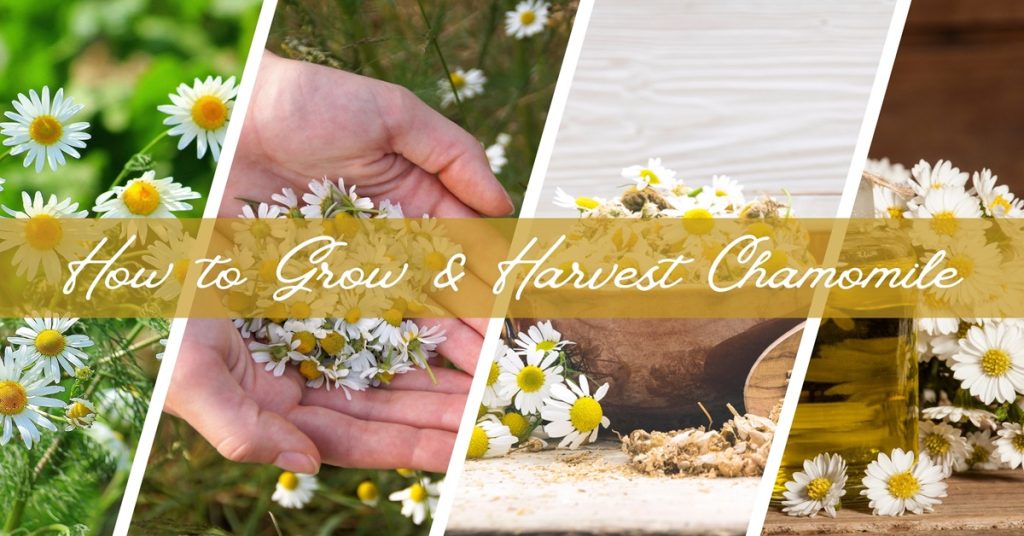
I love my chamomile flowers, and my garden deserves them!
Simply by following these steps, you should be able to grow and harvest your chamomile successfully. Happy Gardening!
Growing
- Prepare well-drained (not waterlogged) soil with acidic to neutral pH (5.5-7.0) at a fully sunny spot
- Enrich the soil by mixing compost for better nourishment
- When the soil temperature reaches 65°F-70°F, it is time to sow seeds directly into the soil, approximately 1/4 inch deep, 5-8 inches apart in rows
- Gently press the seeds into the soil
- Water the soil thoroughly and gently
- Thin seedlings (sprouts) to 6-12 inches apart as they grow
Harvesting
Harvesting chamomile is no big deal! The more you harvest its flowers – the more it will grow.
The best time to harvest chamomile flowers is from early morning (after the dew has dried) to midday (before the sun gets too hot).
Gently cut the flower heads using scissors, leaving a short stem attached to the plant.
Tips
When planting chamomile last Summer, I experienced some issues, but I was able to overcome them with these tried and tested tips:
- Watering your plant frequently in its initial weeks is crucial. This technique enhances healthy growth
- Once the plant is established, you can gradually reduce the watering frequency
- For successful germination, it’s essential to expose seeds to sunlight (avoid burying them deep into the soil)
- When growing chamomile in containers, ensure that the container has a proper drainage hole (it requires more water than those planted in the ground)
- Over-fertilization of the soil may cause excessive foliage development and prevent flower production. I used well-balanced, diluted fertilizer twice a month
- Pests and diseases should be controlled using insecticidal sprays, soaps, and herbal (neem) oil
DIY Insecticidal Spray
Are you tired of dealing with undesirable pests and diseases near your adorable plants? Aphids, snails, and other little pests can destroy your chamomile plant.
No biggies! I have a simple DIY insecticidal spray recipe that you can easily make at home (like I did).
Ingredients
- Clean spray bottle
- Mild dishwashing liquid (1 tablespoon)
- Water (2 cups)
- Oil – calendula oil or olive oil (1 cup)
- Garlic powder (1 tablespoon)
Method
The method is simple! Mix all the ingredients in a spray bottle and shake well (ensure it blends perfectly).
Apply the insecticidal spray directly to the diseased plant in the early morning or late evening.
Tip:
- Remember to wear gloves before the application
- Reapply this spray every 5-10 days (as needed)
- Store the leftover spray in a cool, dark area
Storing and Preserving Chamomile
I have a few simple techniques to store and preserve chamomile, which I am excited to share with you.
Drying
I have stored various herbs from my garden by drying them and keeping them in airtight containers.
After harvesting the flowers, bind them in small clusters and hang them upside down in warm, dry areas of your house.
Once dry, you can keep them in airtight containers in a warm and dry area.
Freezing
Freezing is one of the simple techniques to store your fresh chamomile flowers. Let me explain to you how I freeze them.
- Pick the flowers
- Rinse them thoroughly to let off the dirt (I prefer cold water)
- Spread the flowers on parchment paper and pat them dry with a clean paper towel.
- Place the parchment paper in the freezer (overnight)
- Once the flowers are fully frozen, transfer them to freezer-safe pouches (to maintain their freshness and aroma) and use them within six months
Tea Bags
It is one of my favorite techniques for storing chamomile flowers. I enjoy the taste and aroma of their flowers with every sip of my tea!
For the bags, I fill empty ones with dried flowers (1-2 teaspoons) and herbs such as garlic, mint, and lemon. I prefer to seal my homemade chamomile tea bags using mild heat.
Infused oil
You can infuse the chamomile flowers in your daily cooking oil (coconut, mustard, or olive oil). This way, you can enhance the flavor of your dishes easily.
Tincture
Herbal tinctures are the first aid in my home. I have a separate shelf for them.
My family and friends often ask me if they can have a tincture recipe. Let me share a recipe here as well.
How to Make Chamomile Tincture
Making chamomile tincture is a simple technique.
Ingredients
- Dried chamomile flowers (1 cup)
- Any preferable spirit, such as vodka (2 cups)
Method
- Place the dried flowers in a jar
- Pour the spirit over them (enough to cover them entirely)
- Close the jar tightly and shake it (until the mixture blends)
- Store it in a cool, dark area for 3-6 weeks
- After six weeks, strain the mixture using muslin cloth into another glass jar
- Keep the liquid aside and throw out the solids
- Transfer the tincture into an airtight glass (dark jar) and use it for 2-3 years
How to Consume Chamomile
I like the dried chamomile flowers in my cup of tea, but they belong on my plate, too. I use them in my dishes for their freshness, flavor, and fruit-like aroma.
Here are some ways I use chamomile flowers:
- Tea
- Tinctures
- Infused-oil
- Salad dressing
- Seasoning/garnish (their essential oil)
- Baking/dessert
- Cocktails
How to Make Herbal Tea Using Chamomile Tea Bags
Herbal teas are my favorite, and chamomile tea is at the top of the list.
Let’s make a soothing cup of chamomile tea so you can enjoy its taste, too!
- Add two cups of water to a tea kettle on medium heat and bring it to a boil
- Pour the boiling water into a cup and dip chamomile tea bags (for 4-5 minutes)
- I like to add one teaspoon of honey or jaggery powder for a sweet kick
Simplify your health and self-care routine with the soothing properties of chamomile!
The information presented in this article is for educational purposes only and should not be considered medical advice. Always consult with a qualified healthcare professional before making any changes to your health regimen.