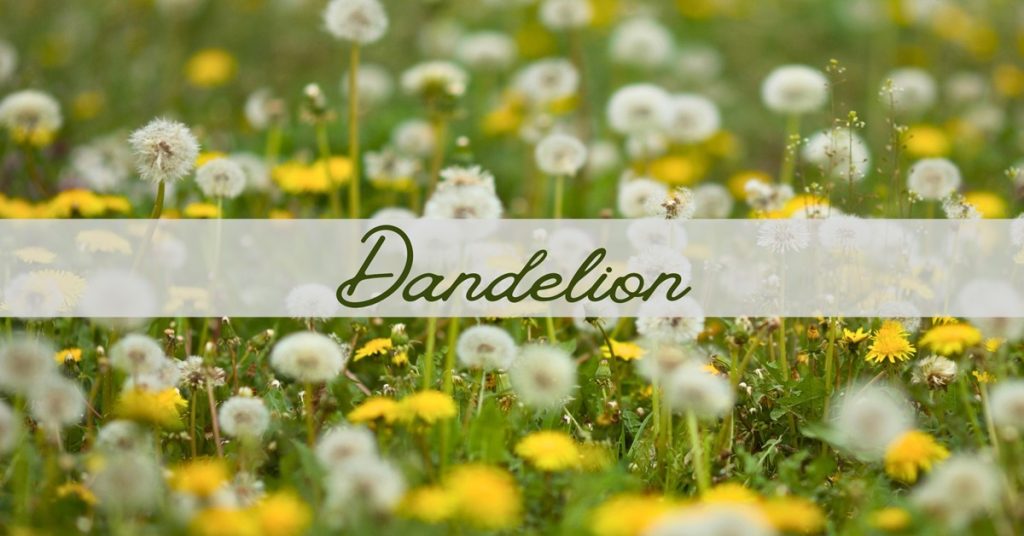
As a kid, I still remember that one of my favorite pastimes was walking through the fields of dandelions, tugging the fluffy white seed heads, and blowing them into the air, making hopeful wishes. Those delicate seeds dancing through the wind were magic for my eyes.
As I grew older, I started to value these plants for their incredible health benefits. Dandelions (Taraxacum officinale) are more than just my childhood joy. They are treasures of nutrition with natural remedies. The entire plant, from its roots to its sunny-bright yellow flowers, has been used in different cultures for years.
With their sunny-bright looks, dandelions have an endless ability to pop up just about anywhere, from the cracks in the sidewalk to the green fields. They have always fascinated me!
Let’s step back with me into my carefree childhood days and unlock the wonders of the dandelion.
In This Article:
Notable Varieties of Dandelion
Dandelion is a plant with more than 250 species with distinctive characteristics.
Here are a few notable varieties of dandelion.
Taraxacum erythrospermum
- Aka red-seeded dandelion
- It is from Europe (also found in North America)
- It is similar to the common dandelion but has red seeds and stems
Taraxacum albidum
- Aka Japanese white dandelion
- It is native to Southern Japan
- It has white-flowers
Taraxacum kok-saghyz
- Aka Russian dandelion, Kazakh dandelion, or rubber root
- It is from Uzbekistan and Kazakhstan
- It has thick leaves with grayish pigments and is known for its latex (rubbery type)
Taraxacum californicum
- Aka California dandelion
- It is found in California.
- The flowers are pale yellow.
Taraxacum pseudoroseum
- Aka pink dandelion
- It is native to Central Asia.
- The flowers are pink with a yellowish center.
Characteristics
Let’s get into the characteristics of a dandelion plant.
Classification
- Scientific Name: Taraxacum officinale
- Kingdom: Plantae
- Class: Magnoliopsida
- Order: Asterales
- Family: Asteraceae
- Genus: Taraxacum
- Species: Officinale
Primary Characteristics
Roots
- The fleshy roots consist of a taproot system thick from the top (1-1.5 inches in diameter) and long (about 5-20 inches) deep in the soil
- They are dark brown on the outside and filled with a milky-white (slightly smelly and bitter) substance released upon cutting
- Dandelions can be challenging as a plant due to their deep taproot system (you can’t eradicate them easily), as even a tiny piece of root left in the soil can regrow into a new plant
Stem
- The hollow stems are smooth and leafless
- It contains a milky latex (sap) that is sticky (oozes out when cut)
- It grows to a height of 5-25 inches
- Mature dandelion plants have no visible stems
Seeds
- The seeds are tiny (2-3mm) and achene (dry and one-seeded, like a sunflower plant)
- They are grayish-brown with an oval shape, connected to a white silky pappus (like an orb), letting the seeds dispersed by the wind (act like a parachute)
- A single seed head can produce numerous seeds (up to 200)
Leaves
- The leaves form a basal rosette (like a cabbage) at the base of the plant with tooth (lobe-shaped) edges
- They are long (10-25 cm/5-10 cm wide) and narrow (lance-head) with a hairless and glossy texture
- Mature leaves have rich, vibrant green pigmentation, while young (immature) leaves are light green
Flowers
- The small, sunny yellow flower heads (about 2-3 inches) are well-organized in a bunch (like a flat-topped)
- Dandelion flowers bloom in the early morning and close their florets in the evening or during rainy weather
Secondary Characteristics
- Plant Form: Perennial (Herbaceous)
- Height: 5-15 inches (15-45 cm)
- Odor: Earthy
- Taste: Bitter/peppery (hint of arugula)
- Habitat: Europe and Asia
- Soil Type: Loamy soil with neutral to acidic pH (6.0-7.5)
- Bloom Time: Spring (early) to Fall (late)
- Seed Germination: 14-21 days
- Parts Used: Leaves/roots/flowers
Uses of Dandelion
Do you know you can use your dandelion for multiple purposes besides its health benefits?
Let me tell you how I use its edible parts in different ways.
Culinary Uses
I always make sure the ingredients in my dishes are fresh and nutritious. The slightly bitter and peppery taste of freshly harvested dandelion flowers and leaves from my garden pops up in my salad bowl, stews, and beverages with colors and flavors.
I may sound boring, but my favorite part is the dandelion roots. Yes! Do you know why? It’s a great caffeine-free coffee alternative with a fresh, cozy aroma and a taste of dark chocolate.
Natural Dye
You can use the bright-sunny color of dandelion flowers for dying fabrics, Easter eggs, and edible decor on your cakes (frostings/creams) to enhance visual attraction.
Skincare Products
I always choose natural products for cosmetics, skincare, and food. My interest in homemade skincare recipes comes from my mom. My skin truly benefits from them!
Dandelion is rich in antioxidants, being an amazing anti-aging, fighting sun damage and enhancing tanning.
Good for the Garden
Did you know that planting dandelions can benefit your garden? Yes, it offers benefits that will make your garden thrive!
- It serves as a natural ground cover for the soil and prevents soil erosion with its extensive taproot system
- It can suppress unwanted weeds from your garden
- When dandelion old leaves die and decompose, they return mineral-rich nutrients (calcium, potassium, and iron) to the soil to enrich other plants
Dandelion for Ornamental Uses
My mother has a creative mind, and she always uses her plants to decorate her sweet home. She makes dandelion wreaths and hangs them on the walls, doors, and windows. Such a whimsical feeling!

I use dandelion flowers (dried) to make candles to add a botanical element to my home decor. The aroma is fresh and relaxing!
Like my mother, you can use your dandelion in your garden and at home to bring a hint of natural charm to your surroundings.
Health Benefits of Dandelion
In my teenage years, I loved dandelions for their captivating beauty. Later on, I was amazed to discover their incredible health benefits!
Let’s discover how this beautiful plant can be good for our health.
High in Nutrition
The dandelion plant is highly nutritious, from its roots to flowers.
It is loaded with:
- Vitamins: Rich in Vitamin A, C, E and K
- Minerals: Packed with iron, calcium, sodium, potassium and magnesium
- Fiber: Inulin
- Antioxidant: Polyphenol and Beta-carotene
Dandelion Relieves Constipation
Dandelion roots are fiber-rich, promote gastric emptying and aid constipation.
Consuming its roots (ground) in your coffee or tea can make you feel light, as fiber enhances bowel movement and protects against several digestive conditions, including piles (hemorrhoids).
Enhances Liver Functions
Dandelion is a natural detoxifier that can remove toxins from the body.
Antioxidants in the roots and leaves promote bile production from the liver to aid in emulsifying fats, which lowers cholesterol levels and prevents fatty liver, heart diseases, and obesity.
Dandelion Acts as Diuretic
Dandelion leaves are a potent diuretic. They help flush the kidneys (can make you pee).
Although as a diuretic, it can replace the body’s loss of electrolytes (sodium and potassium).
Fact: Dandelion plants are rich in potassium, sodium, and calcium.
Acne, Dark Spots, and Fine Lines
Are you dreaming of flawless skin? Dandelion’s antioxidant and anti-inflammatory properties reduce acne scars, eczema, facial blemishes, and fine lines, giving you radiant skin.
Vitamin C from dandelion flowers can lighten the dark spots and hyperpigmentation and brighten your skin (like its bright color).
Prevents Anemia
Do you have low iron levels? Try dandelions!
It is rich in iron (vital for blood production) and vitamin C (essential to absorb iron). Adding dandelion to your diet can be a natural way to manage anemia.
Healthy Bones and Joints
Are you tired of those cracking sounds coming from your bones? It may be a sign of deficiencies or some bone problems.
Dandelion is highly nutritious and rich in vitamins and minerals that promote healthy bones and joints by stabilizing bone density.
Taraxasterol, Vitamin K, and calcium (in dandelion roots) improve bone and joint health, fighting arthritis, osteoarthritis, and osteoporosis.
Dandelion Manages Blood Sugar
Chicoric and chlorogenic acids are potent chemical compounds in dandelions that stimulate the production of insulin in the pancreas, which aids blood sugar levels and prevents risks of blood sugar swings.
Skin Wounds and Warts
Research has shown that applying milky-white sap from dandelion roots and stems aids wound healing and fights bacterial and fungal infections.
Manages Hypertension
Are you one of the many people dealing with hypertension? Drink dandelion tea to manage your blood pressure!
It can eliminate excess sodium in your body and lower blood pressure.
How to Make Dandelion Tea
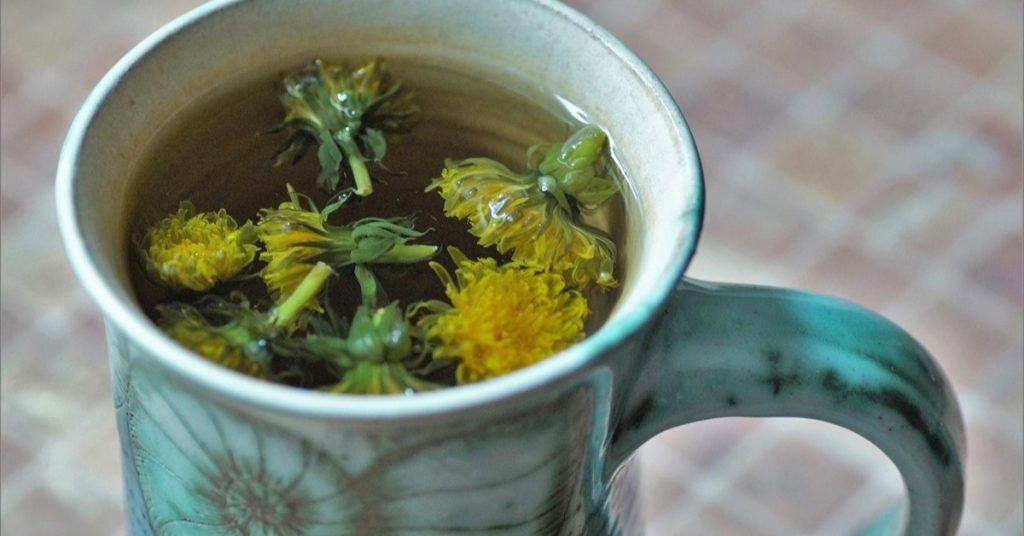
Here is an easy recipe for dandelion tea.
- Add two cups of water to a saucepan on medium heat and bring it to a boil
- Add two tablespoons of dandelion root (ground)/leaves (dried)
- Reduce the heat and let it cook for 5-10 minutes
- Strain the tea into a cup
- Add a few drops of honey/lemon to taste
Side Effects of Dandelion
The edible parts of the dandelion are low in toxicity and LIKELY SAFE (for most people) to consume in food quantities. However, they can bring side effects in some people.
Here are the side effects of dandelion (orally and topically):
- Allergic reactions (rash, itching, redness)
- Contact dermatitis
- Mouth/throat irritation
- Gastric conditions (indigestion, diarrhea, cramps, and heartburn)
- Increased urination
- Hyperkalemia (increased potassium levels in the blood)
Who Should Avoid Dandelions?
I am not a healthcare provider, but I have found a few pieces of research on the internet and made myself aware of who should avoid certain herbs and their interaction with medicines.
You should avoid consuming dandelion (all edible parts) if you are:
- Pregnant/breastfeeding
- Taking medication that includes diuretics (water pills), antidiabetics, sedatives, antibiotics, and blood thinners
How to Grow and Harvest Dandelion
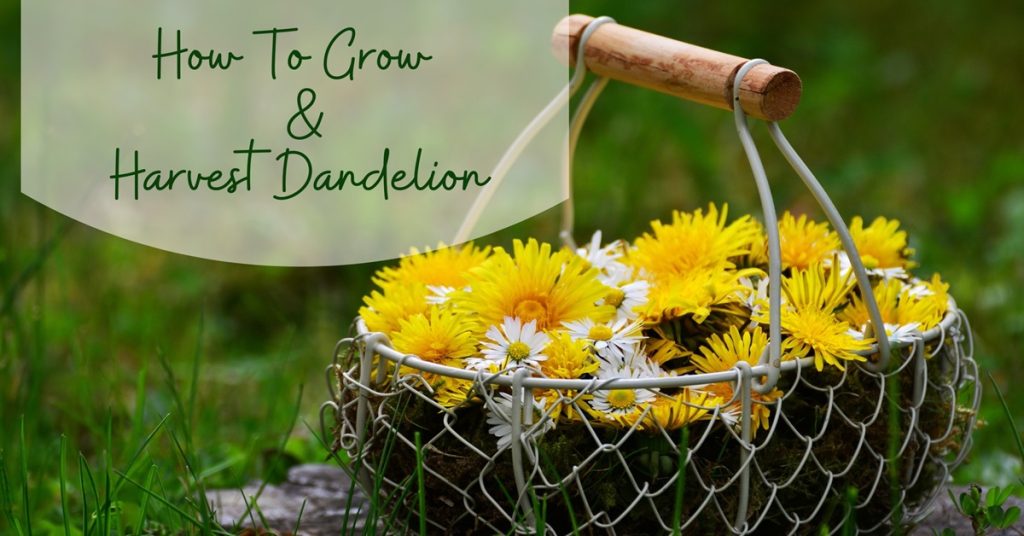
This article may sound bizarre: ”How to grow a weed?” After all, most gardeners seek information on removing them from their gardens.
However, dandelion is not an ordinary weed but a nutritious plant! You might also become interested in learning how to grow and harvest dandelion plants for yourself.
Growing From Seed
- Fill a small pot with loamy soil (well-drained) with a neutral to acidic pH (6.0-7.5)
- Add compost to the soil
- Spread the seeds over the soil and gently press them (about 1/8 inch) into it
- Water the soil using a watering can
- Place the pot in a sunny area (receive 6 hours of direct sunlight)
- Monitor the soil moistness and seedlings (takes about 14-21 days)
- Once the seedlings have developed with a few leaves, you can transplant them into your garden (dig a hole and remove the pot)
Tip: If growing directly in your garden, space the seeds about 6-12 inches apart to allow room for growth.
Harvesting
It’s essential to pay attention to which part of the dandelion you are harvesting.
For Roots
- I prefer to harvest roots in early Spring or late Fall
- Use a spade to loosen the soil around the plant base and dig deep (10-15 inches)
- Gently pull the plant from the soil and ensure you get as much of the root as possible
For Leaves
- You can harvest leaves after 4-6 weeks of transplanting
- Carefully cut the leaves using scissors (close to the base of the plant)
For Flowers
- I prefer mornings to harvest bright-sunny flowers when they are blooming
- Use small scissors to cut the flowers (make sure you cut them from the stem base)
Tip: Avoid harvesting dandelion from the roadside due to soil contamination, pollutants, chemical sprays, and physical damage.
Storing Dandelion
Dandelion is a wholesome edible plant! I can store its roots, leaves, and flowers for future use.
Here are some of my preferred methods for storing them.
Drying (Roots, Leaves, and Flowers)
- After harvesting the edible parts, wash them thoroughly or use a brush to scrub off the soil or dirt
- Pat them dry with a clean cloth
- Spread them on a single layer on a baking sheet
- Place the sheet in a well-ventilated area (away from direct sunlight)
- Allow them to dry completely (take around two weeks)
- Once they are dried completely, grind them and store them in airtight containers (last for a year)
Tip: You can store the leaves and flowers (dried) without grinding them!
Freezing (Leaves and Flowers)
- Wash the leaves and flowers and blanch them (separately) in boiling water for 3-5 minutes, then transfer them to a bowl of cold water
- Pat them dry with a clean cloth
- Spread them on a single layer of baking sheet
- Place the sheets in the refrigerator, then transfer them to airtight freezer bags and consume up to a year
Dandelion Tincture (Roots and Leaves)
- Cut the roots and leaves into thin slices
- Soak them entirely in a jar of spirits (I use vodka)
- Seal the jar and store it in a cool, dark place (for 4-6 weeks)
- Strain the liquid with a muslin cloth into another jar
- Store the tincture in a dark glass bottle (away from direct sunlight)
Infused Oil (Flowers)
- Fill a jar with dried flowers and cover them with carrier oil (I prefer olive oil) until submerged completely
- Seal the jar and place it in sunlight for 3-4 weeks (shake daily)
- Strain the oil using a strainer/clean cloth into a jar
- Store the infused oil in a cool, dark area
Herbal Salves (Flowers)
- Make an infused oil with dried dandelion flowers (mentioned above)
- Mix the infused oil with beeswax in a ratio of 4:1 through a double-boiling technique until melted completely
- Pour the mixture into a small container and let it cool until solid
- Store the dandelion salve in a cool, dark place
Tip: Dandelionsalves are good for cuts, wounds, and burns.
How to Consume Dandelion
Want to make the best decision for your health? Try adding some dandelion to your diet! Trust me, it is a wholesome food on your plate.
Let me tell you how I incorporate dandelion into my diet:
- Beverages like tea, coffee, and smoothies
- Sauteed Greens with plain rice
- Dandelion leaves to my bowl of salad
- Dandelion pesto as a topping on my pasta and dip for veggies
Blend the nutrients from dandelion into your diet and keep your health on track!
The information presented in this article is for educational purposes only and should not be considered medical advice. Always consult with a qualified healthcare professional before making any changes to your health regimen.