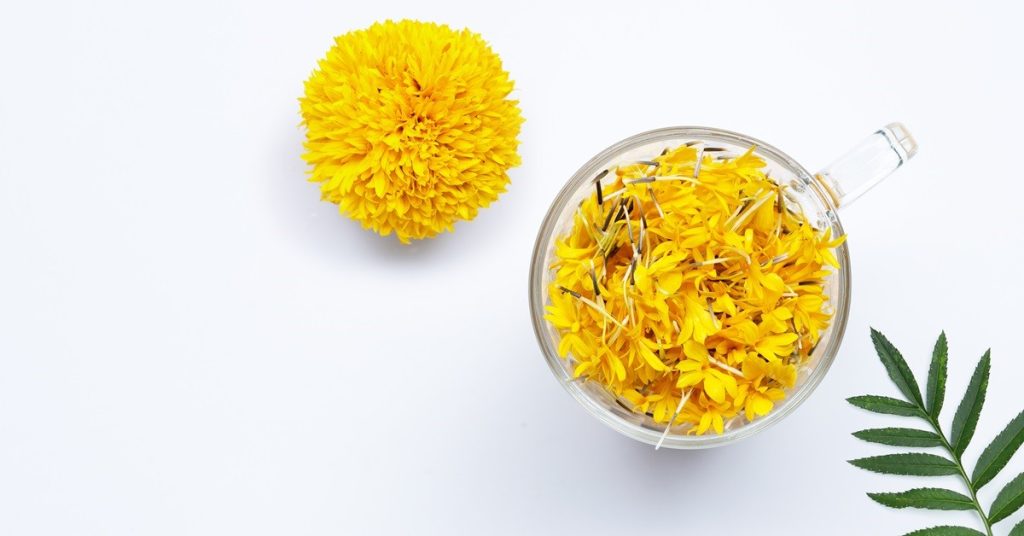
Do you know my favorite color? It’s green… But when I think about a beautiful bright flower, the yellow calendula comes to my mind. I simply love the vibrancy of this versatile plant that I forget all about green for a moment.
Calendula isn’t just beautiful, it’s very useful too. I use it in my garden, as decoration, for medicine, and in cooking. I try to use mine as much as I can and keep some preserved for all-year benefits.
In This Article:
In This Article
What is Calendula
Calendula officinalis Linn. is the botanical origin of the healthy herb, calendula, which belongs to the daisy family (Asteraceae).
Calendula inherently occurs in Mediterranean areas, such as Southern Europe, South-west Asia, and North Africa. It is found worldwide due to its adaptable nature, blooming efficiently in diverse climates and habitats, thus making it a versatile herb, most typically utilized in herbal medicine, cosmetics, and ornamental purposes.
Calendula originated from the Latin word Calendae, expressed as Little Calendar or Little Clock. This signifies the herb’s everlasting blooming character, often on the first day of each month. It represents healing, warmth, and bliss as it is a birth flower for the individual born in October as per the cultural transition over time.
Alternative Names for Calendula
Did you know that Calendula officinalis is recognized as Pot Marigold? This is how I call it! To help other homesteaders like me, I have searched and found out that calendula can have many different names:
- English Marigold
- Garden Marigold
- Mary Bud
- Ruddles
- Gold Bloom
- French Marigold (AKA. Tagetes Patula)
- African Marigold (AKA. Tagetes Erecta)
Characteristics
In this article, you will understand the following characteristics of Calendula Officinalis.
Classification
- Scientific Name: Calendula officinalis Linn.
- Family: Asteraceae
- Kingdom: Plantae
- Class: Magnoliopsida
- Order: Asterales
- Genus: Calendula
- Species: Officinalis
Primary Characteristics
- Roots: Thread-like structure, making them adaptable to any soil.
- Stem: As per belongings, the Asteraceae family has specific characteristics of stems which are dense and viscous, producing a sap-like consistency.
- Seeds: Arcuate in shape, a single seed pot contains numerous seeds.
- Leaves: Naturally lancelike structure with a hairy surface, showing an alternative pattern on the stem, typically ranging from 4-6 inches in size.
- Flowers: Arranged in a decent form of numerous flower heads with a pleasing appearance of bright yellow-orange, giving a vibrant texture to the insects to promote pollination.
- Petals: Velvet-like touch, wrapping around the central portion of the flower.
- Reproduction: The central portion of the flower, the disc, is the main attraction towards reproduction, comprising male and female components.
Secondary Characteristics
- Plant Form: Annual/Perennial (herbaceous)
- Height: 1 – 2 ft or 20 to 60 cm tall
- Odor: Aromatic
- Taste: Bitter
- Habitat: Mediterranean Regions
- Soil Type: Well-drainable (loamy) soil structures with neutral pH
- Bloom Time: Early spring to late fall
- Part Used: Flowers are used for medicinal, cosmetic, and ornamental purposes
Unlock the Uses and Health Benefits of Calendula
Pot Marigold is a versatile herb used therapeutically for treating skin disorders to feminine disorders, cosmetically used as a salve or balm, and ornamentally for decorating gardens and houses.
Want to know more about how this healthy herb works? Let’s jump into the beneficial effects and amaze ourselves with the miracles it can do for our health and life!
The Role of Calendula in Our Health
Helpful in Treating Skin Disorders
According to research, calendula retains an anti-inflammatory property, mainly in its flower, containing active elements, terpenoids, flavonoids, and fatty acids that heal the following skin disorders (when applied topically in the form of ointment or salve):
- Skin irritations (wounds, scars, itching, burns, insect bites)
- Inflammatory conditions (eczema, dermatitis, acne, psoriasis)
- To prevent bleeding
- Hyperpigmentation/sun tanning
- Dry and chapped/flaky skin
- Diaper rashes
- Foot ulcers (gangrene)
Beneficial in Healing Feminine Conditions
Pot Marigold has anti-microbial, anti-bacterial, and antimycotic (anti-fungal) properties. It is beneficial in healing feminine conditions, including vaginal candidiasis, vulvovaginal irritation, excessive vaginal discharge, and other urinary problems, when used in suppositories form.
Calendula is a nature-perfect cleanser due to proteins, polysaccharides, and volatile oils. Remember this healthy herb when prioritizing bacterial balance and overall health in intimate areas.
Useful Properties in Preventing Digestive Issues
Consuming Pot Marigold’s tinctures, herbal teas, infusions, or decoctions has been a part of ancient history for a long time, and this therapeutic practice has continued until now in many households.
It is a gastric-tonic agent by various therapeutic means, some of which are:
- Anti-inflammatory properties heal gastric ulcers and conditions, such as inflammatory bowel disease (IBD), gastritis, peptic ulcers, and oral (mouth) ulcers.
- Antispasmodic properties relieve the symptoms of Irritable Bowel Syndrome (IBS), such as excessive bloating, flatulence, diarrhea, and indigestion.
- Detoxifying potential cleanses the liver and maintains healthy blood formation, promoting healthy and acne-free skin.
This healthy herb is also beneficial for individuals with diabetes and cholesterol problems or cardiac diseases, as it has therapeutic properties such as anti-diabetic, anti-lipidemic, and anti-hypertensive and is a great cardiac tonic agent.
How to Spice Up Culinary Skills Using Calendula
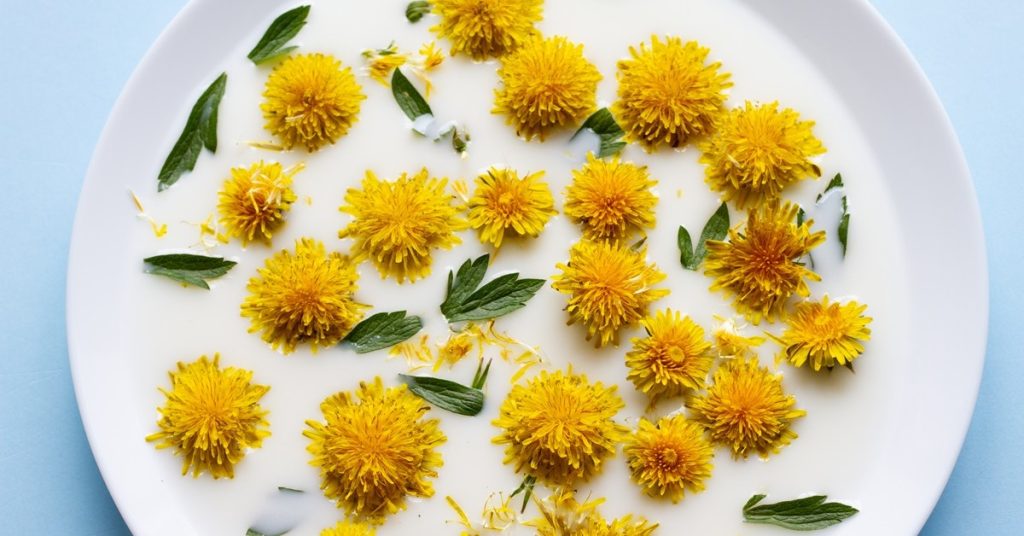
In some traditions, adding edible Marigold flowers to the stews, soups, and salad as a part of seasoning will augment your culinary skills and art. Sometimes I use the flowers to garnish our cupcakes or even a special birthday cake.
Also, the bright yellow-orange flowers can be blended in natural butter and creams to create a rich and flavourful texture with a nutritious touch.
Nevertheless, this healthy herb can do wonders when utilized as cooking oil, packed in nutrition, adding flavors, and whatnot. So forget your ordinary salad dressing; use calendula infused with olive oil and boost your salads with flavor.
Enhancing the Power of Calendula in Ornamental Purposes

As we know, Pot Marigold’s flowers lift the beauty of gardens, parks, wedding ceremonies, and other events. I often brighten up my home with a beautiful vase of marigold flowers.
Besides decorating, putting calendula flowers indoors can humidify the atmosphere, which feels refreshing. As an alternative, the volatile oil contributes to aromatherapy, providing a relaxing effect.
The Cosmetic Secrets of Calendula
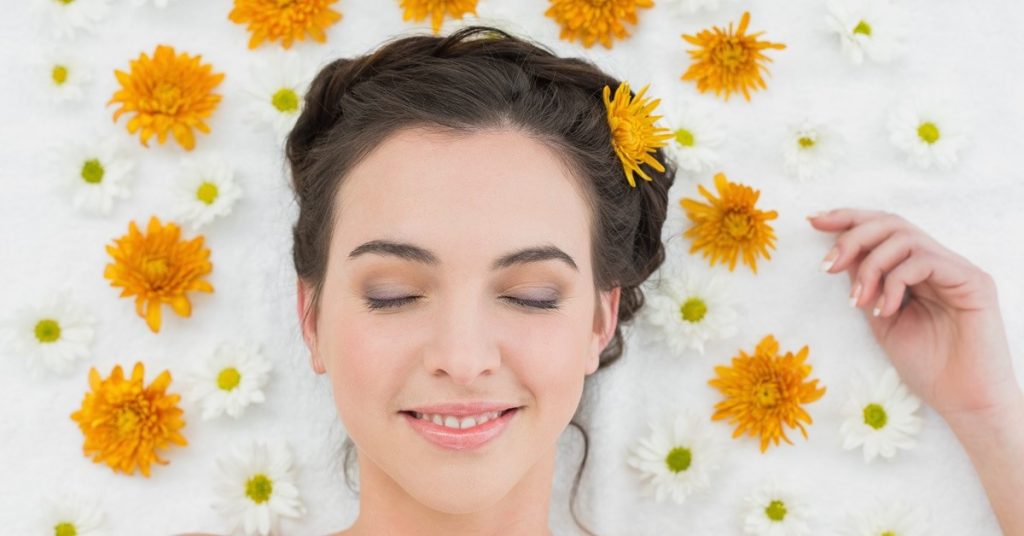
Effective in Healthy and Nourished Hair
Are you exhausted from using chemical products for hair care and still have no luck? Thinking your money goes in vain? Well, you’re not alone!
Calendula is as effective as treating skin conditions. Its antioxidant property can strengthen your hair follicles, preventing them from breaking and nourishing the scalp, reducing dandruff and dryness. It can avoid the early graying of the hair when combined with other healthy herbs and spices, such as Amla (Phyllanthus emblica) or Indian gooseberry (Allium cepa) and onion.
In the colder months, when my scalp tends to dry out from hot showers and becomes prone to dandruff, I turn to my beautiful calendula oil, the same one I use in salad dressings. Sometimes, I prefer to infuse dried calendula into sweet almond oil instead of olive oil, and the aroma is simply delightful!
Level Up Your Skincare Routine with Versatile Herb
The antioxidant property of calendula works beyond the limits as it fights the signs of aging, including face creases or wrinkles, fine lines, facial spots, hyperpigmentation, saggy skin, visible pores, and dry-chapped skin.
Adding pot marigold-infused creams, balms, salves, and oils to your skincare routine can give your skin a lasting and radiant glow.
Risks and Side Effects
Are you curious about how Calendula officinalis could potentially harm our health? Well, there is no surprise, you must have heard, excess of everything is harmful!
Even though calendula is believed to be a healthy herb, it may have the following adverse effects when consumed excessively:
- Allergic reactions
- Gastric symptoms (nausea, vomiting, diarrhea)
If you are pregnant or breastfeeding, use it as per the physician’s advice.
How to Grow and Harvest Calendula From a Seed – A Quick Guide
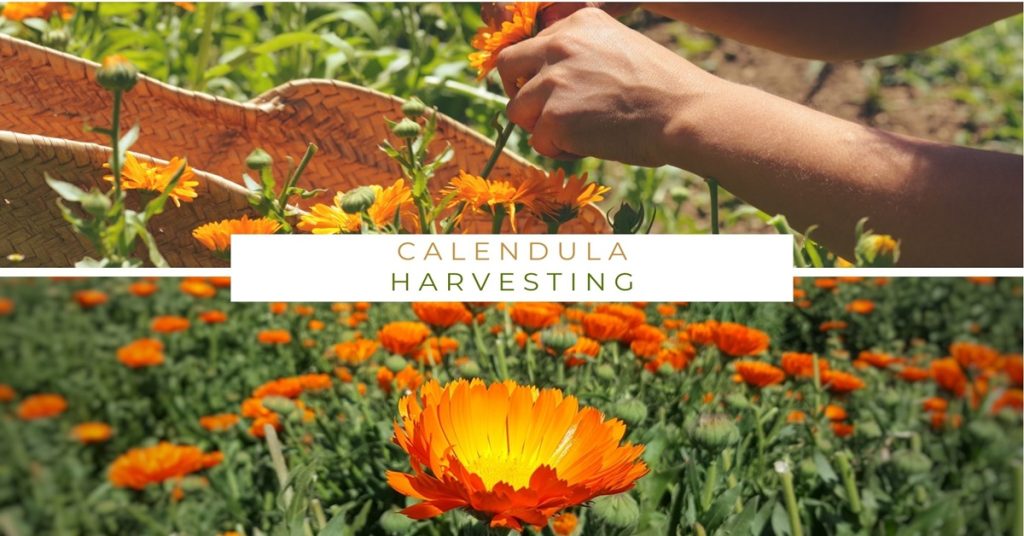
It is easy to grow and harvest calendula. If I can do it, so can you. Here is a quick guide to follow.
Growing
- Determine whether your space has full sunlight or partial shading, having loamy soil
- Add up natural fertilizers to enhance nutrients
- Spread the seeds in 4-6 inches, and cover them ½ inch in the soil
- Add water to enhance moisture
- After seedlings grow a few inches, thin them approximately 7-8 inches apart
- Now, maintain the seedlings and water them during daylight
Harvesting
- Harvest calendula when it’s entirely bloomed in early spring till late fall
- After the moisture has dried, cut the floret. Repeat the process for better blooms
- Air-dry or sun-dry the flowers for your use
Storing Calendula
Storing calendula is as simple as growing it. After I dry the flowers, I store them in an air-tight container to control moisture. Don’t forget to keep the container away from direct sunlight or heat to prevent denaturation of its proteins.
How to Conserve Calendula – Possible Ways to Preserve It
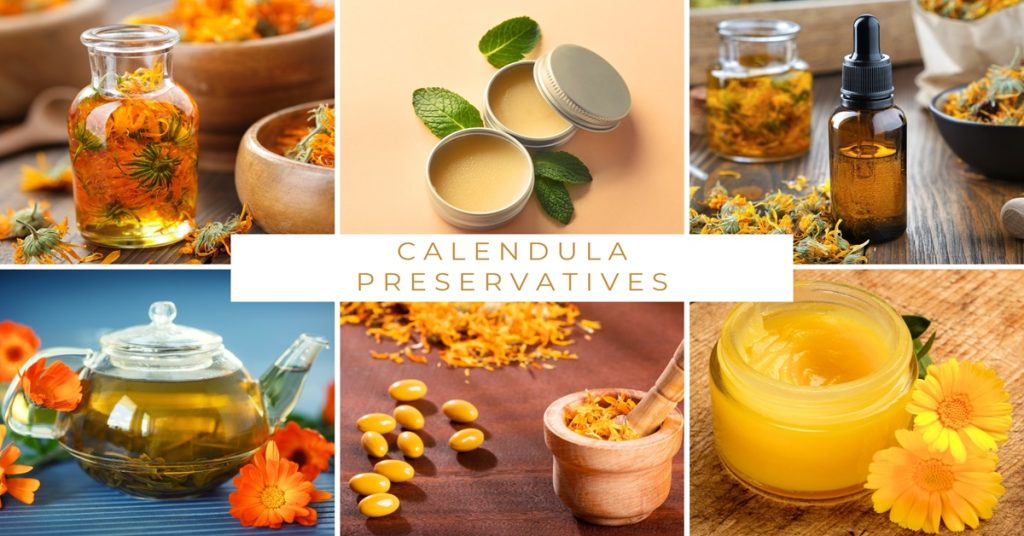
Calendula Preservatives
- Oils
- Salves/Ointments
- Tinctures (keep them in dark jars)
- Creams
- Herbal Capsules/Tablets
- Herbal Teas/Infusions
How to Dry Calendula Flowers Without a Dehydrator
It is as easy as picking the flowers. I just hang the flower heads upside down, as it helps to maintain the therapeutic properties and vibrancy.
Store the Seeds
Once the seeds are dried, store them in an air-tight container in a cool and dry area for the next season.
Grow your calendula effortlessly, reap its versatile benefits!
The information presented in this article is for educational purposes only and should not be considered medical advice. Always consult with a qualified healthcare professional before making any changes to your health regimen.