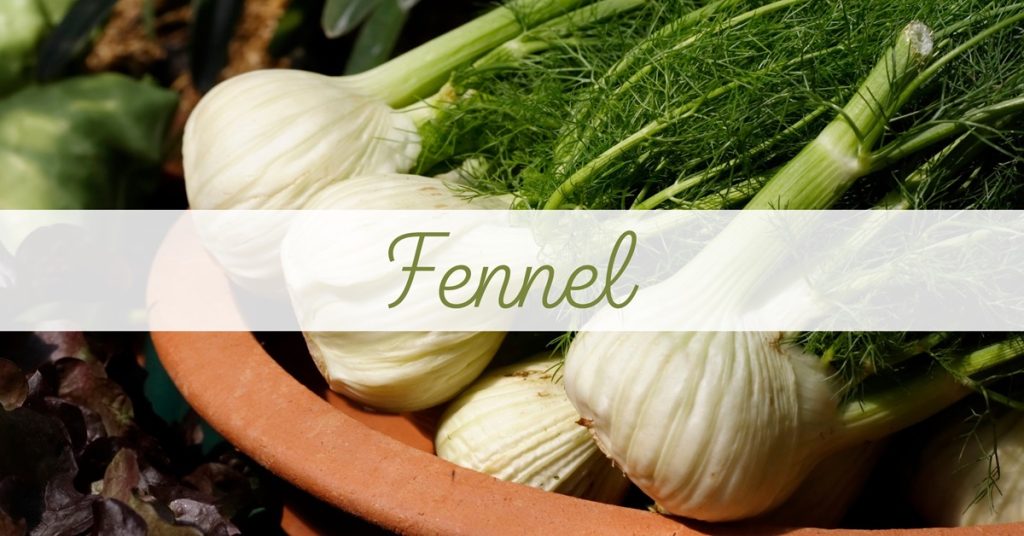
Have you ever struggled at the farmers’ market or grocery store, standing near a display of pale green bulbs with delicate, feathery fronds attached, and wondering what to do with it? You are not alone. This sweet herb is fennel, and it has a secret to tell. It’s a hidden gem in your kitchen that speaks with its sweet flavors and aroma in your dishes!
This amazing herb can transform your health from soothing digestion to enhancing overall well-being.
Want to unlock the benefits of sweet fennel? Let’s jump in!
In This Article
Characteristics
Let’s dive into the details of this delicate herb’s characteristics.
Classification
- Scientific Name: Foeniculum vulgare Mill
- Common Name: Fennel
- Alternative Name: Sweet Fennel, Sweet Anise
- Family: Apiaceae
- Kingdom: Plantae
- Class: Magnoliopsida
- Order: Apiales
- Genus: Foeniculum
- Specie: vulgare
Primary Characteristics
Roots
- The long and thin taproot system of fennel has a firm and stringy texture
- These are pale white to light brown
Stems
- The rich green stems grow up to 8 ft
- They are dense and hollow and stand upright
- They have a smooth and little waxy texture
Bulbs
- The rounded bulb resembles an onion that is puffy in appearance with a crunchy texture
- Its base is pale white to light green
- Fact: The bulb is known as Florence finocchio and is considered a vegetable
Seeds
- The small (4-8mm) ribbed seeds are oval with a rough (dry) texture
- They are greenish-brown (fresh) and brown (dried) with a licorice-like taste
Leaves
- The soft and feathery leaves are long (5-15 inches) and resemble dill leaves
- The rich green leaflets are delicate and have numerous thread-like segments (fern-like)
- When crushed, they produce a sweet, anise-like odor and taste
Flowers
- The tiny (3-5 inches) yellow flowers form a cluster of small umbels
- Each umbel contains about 25-50 small flowers that give an umbrella-like appearance
Secondary Characteristics
- Plant Form: Perennial (Herbaceous)
- Height: 6-8 ft
- Odor: Sweet, licorice, and anise-like
- Taste: Sweet, spicy (peppery-like) with a hint of licorice and anise
- Habitat: Southern Europe
- Soil Type: Well-drained, fertile with neutral to acidic pH
- Bloom Time: Summer to early fall
- Seed Germination: 7-14 days
- Part Used: Seeds, bulbs, and leaves
- Substitute: Anise seeds, celery and dill
Health Benefits of Fennel
Do you use this not-so-ordinary herb as a mouth freshener and condiment for your dishes? Then you should know these ten benefits of fennel.
Nutritive Herb
Did you know one tablespoon (approx 5-6 grams) of fennel seeds (dried) are loaded with Vitamin A, C, E, and K, calcium, potassium, iron, and fiber?
These elements are essential for healthy bones, skin repair, and metabolism.
Weight Loss
Anethole is a compound in fennel that suppresses your appetite and enhances metabolism, helping you to lose weight.
Natural Detoxifier and Diuretic
This sweet herb is a natural body cleanser and diuretic that helps to flush out toxins from your body, promoting better kidney health.
Improves Digestion
It contains compounds (fenchone and estragole) that stimulate digestive juices (in your gut) and improve digestion by relieving bloating, constipation, and gut spasms.
Manages Hypertension
Fennel seeds are rich in potassium and fiber and are great for high blood pressure and cholesterol, promoting better heart health.
Improves Eyesight
Fennel is packed with Vitamin A, essential for better eye health.
Drinking lukewarm milk with a handful of fennel seeds may improve night vision and prevent eye diseases.
Fights Infection
It contains anti-microbial and anti-inflammatory properties that fight infection and recover your health.
Fennel decoction is beneficial for urinary tract infections and upper respiratory tract infections.
Alleviates Menstrual Cramps
Fennel seeds contain compounds that mimic estrogen (a hormone that regulates the menstrual cycle).
Drinking soaked seeds (overnight) may alleviate menstrual cramps and promote menstrual flow.
Skin Repair
This versatile plant is rich in antioxidants, zinc, and selenium, which work together to give you firm, smooth, and flawless skin!
Tip: Make a face mask of fennel seeds (crushed) with honey or rosewater to reduce dark spots!
Stimulates Breast Milk Production
Are you a nursing mother and struggling with it? Try fennel infusion.
A 2020 study reveals this plant contains galactagogue (increases milk production) properties that stimulate breast milk flow.
Side Effects of Fennel – Take Precautions!
Fennel is POSSIBLY SAFE (for most individuals) when consumed in food amounts such as cooking and chewing a pinch of it as a mouth freshener after a meal.
However, their excessive consumption can cause some side effects.
Allergic Reactions
Fennel belongs to the same family as carrot, celery, and palsy. If you are already allergic to any of these, you should avoid taking it in your diet.
Fennel May Interfere With Your Hormones
Phytoestrogens, a compound in the seeds, mimic an estrogen hormone that can interfere with breast cancer, uterine cancers, and other gynecological conditions.
Sunburn
Cosmetics products containing fennel oil can make you sun sensitive and give you a suntan (or sunburn).
Fennel May Interact With Medicine
Its seeds may interact with medications (antibiotics and anti-epileptics).
Stimulates Uterus
Pregnant women should avoid taking fennel as it can stimulate their uterus and may cause premature delivery.
How to Grow and Harvest Fennel Effortlessly
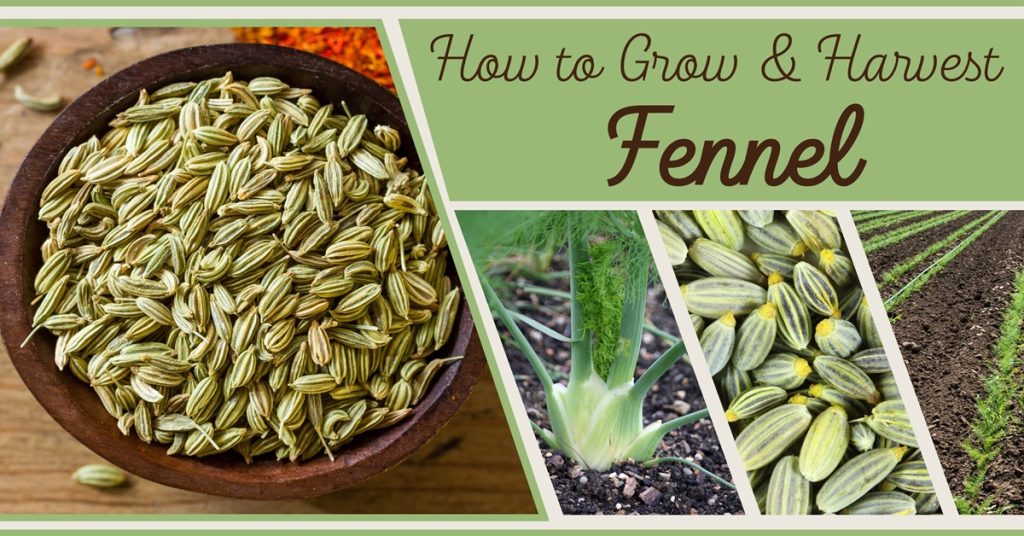
Let me tell you, fennel is an easy herb, which means you can grow and harvest it effortlessly simply by following this complete guide.
Growing Fennel
- It grows best in a well-drained, fertile soil with a pH of 6.0-7.0 that welcomes full sunlight
- Add compost to prepare the soil
- Sow the seeds directly into the garden about 6-8 inches apart and cover them with a handful of soil (about 1/8 inch)
- Keep the soil moist but not soggy
- Thin seedlings will develop within 7-14 days
Tips:
- Protect your young seedlings from aphids and fungal infections using insecticidal sprays
- If you prefer growing fennel indoors, you can begin with a deep pot (about 15 inches) and four weeks after the last spring frost
- Remember to remove the pot before transplanting into your garden
- Be gentle with watering, as overwatering may rot the plant
Harvesting Fennel
Pick your favorite part from your homegrown fennel within approximately 70-100 days (count after the germination period).
Bulb
You can harvest the bulb in late summer or early autumn when it resembles the size of a tennis ball (about 3-5 inches).
I use a sharp knife to cut off the bulb from the plant’s base above the soil line.
Here’s a quick tip: Water your plant’s base well a few days before harvesting a bulb like a pro!
Leaves (Fronds)
The more you snip the leaves, the more you encourage your plant to grow! This technique also prevents the plant from bolting (a plant begins to produce a flower stalk and seeds prematurely).
I got my pruning shears to snip the leaves whenever needed, possibly in my stews, soups, and salad.
Seeds
You can harvest the seeds when the flowers turn brown.
My favorite part of harvesting is collecting its seeds. I prefer to wrap a loose-knitted thin cheesecloth around the flowerheads (the seeds will fall in cheesecloth when ripe), cut the stalk, and use the harvested seeds later.
Storing Fennel

Do you ever wish you could store your herbs and spices without doing anything yet still get the job done? Try my preferred and minimal-effort storage methods and elevate your cooking skills.
Refrigerate (Bulbs and Fronds)
After harvesting, I rinse the bulbs and fronds (leaves), pat them dry using a kitchen towel, wrap them in brown paper, and put them in my fridge door (to refrigerate). It’s that simple!
You can also freeze the bulbs and fronds using the same method (blanch them before doing a freezing method) and use them for up to six months!
Tip: If you prefer to freeze it, use freezer-safe bags instead of brown paper or plastic bags!
Drying (Seeds)
If you harvest the seeds (like I did), then it’s no big deal to dry them:
- Untie the knot from the cheesecloth
- Place the cheesecloth in an airy place in your home and let it sit for one week
- Once the seeds are dry, you can grind them into a powder or use them whole
- Store the seeds in airtight containers to retain their taste and aroma for a long time
Fennel Infused Oil
I used the infused oil (I prefer olive oil as a carrier oil) in my salad dressing and sautéed veggies for a subtle anise-like taste.
Fennel Tincture
As a mother of a boy who usually gets bloated, I used my DIY fennel tincture to relieve his bloating instantly.
How to Make Fennel Tincture
This tincture is a natural anti-bloating medicine that works magic on gastric issues:
- Place dried seeds in a jar
- Pour spirit, such as vodka, over them (enough to cover them completely)
- Close the jar tightly and shake it (until the mixture blends well)
- Store it in a cool, dark place for 4-6 weeks
- After six weeks, strain the mixture (using a strainer) into another glass jar
- Keep the liquid aside and throw out the seeds
- Transfer the tincture into an airtight, dark glass jar and use it for 2-3 years
Salve
I have been making herbal salves since I became a mother because they are gentle on my kid’s diaper rashes. It’s a great relief for any mother with an infant.
Tip: The fennel salve (I prefer seeds) is easy to make (in the same way) as I made the chamomile salve.
How to Consume Fennel
I am lucky to add homegrown herbs and spices to my recipes to get a quick kick of earthy flavors.
The sweet odor of fennel is welcoming, while the licorice-like earthy flavor gives an herbal note to my dishes. That’s how I celebrate this rich flavorsome herb!
Here are my preferred ways to consume it.
Infusion
Fennel infusion is a wholesome health supplement. Drinking a cup may aid in weight loss and reduce acidity.
I prefer to crush the seeds with a few drops of lime in two cups of boiling water to get myself in shape.
Decoction
Did you know you are an herbal lover when you put decoctions in the first place for your health?
Let’s make a fennel root decoction:
- Add one liter of water and two ounces of roots (chopped) to a saucepan and bring it to a boil
- Let the decoction simmer for half an hour on medium heat
- Turn off the heat and strain the solution using a strainer
Can I store the decoction in the fridge? The answer is yes, you can store the decoction in a sealed jar in the refrigerator (lasts for up to 1 week).
Roasted
There are some days when my family prefers to eat something light, and a roasted fennel bulb is a great choice!
On a lighter note, Its creamy and tender flavors are just scrumptious!
Fennel is an example of one delicious meal and remedy at a time!
The information presented in this article is for educational purposes only and should not be considered medical advice. Always consult with a qualified healthcare professional before making any changes to your health regimen.