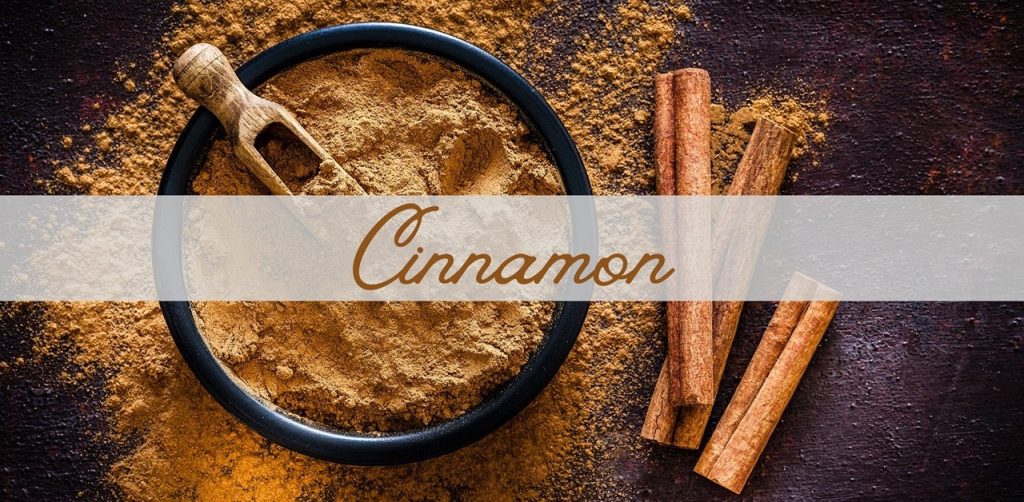
Cinnamon is one of those magical spices in my kitchen that transforms my dishes with its woody, peppery aroma and spicy flavor. Growing up, I loved sprinkling it on muffins, freshly sliced apples, and smoothies. I must say, my kitchen has always been filled with cinnamon’s culinary treats. It is more than a delicious addition to my favorite dishes!
In This Article:
What is Cinnamon?
Cinnamon comes from the cinnamon tree.
It has been cultivated for centuries around the globe for its diverse uses and health benefits. And for me, it has enhanced my kitchen with its culinary treats. It is more than a delicious addition to my favorite dishes!
Whether you are a seasoned cook, an avid homesteader (like me), or seeking natural wellness, this article is for you!
Varieties of Cinnamon
Did you know about cinnamon’s several varieties? Yes, this spice is vast in its varieties (about a hundred) around the globe!
Here are the popular ones:
Ceylon Cinnamon (Cinnamomum verum)
- Aka True Cinnamon
- From Sri Lanka and southern India
- It has a sweet flavor and aroma
- Most expensive
Saigon Cinnamon (Cinnamomum loureiroi)
- Aka Vietnamese Cinnamon
- From Vietnam
- It has a sweet and spicy flavor
- Most aromatic among cinnamon varieties
Korintje Cinnamon (Cinnamomum burmannii)
- Aka Indonesian Cinnamon
- From Indonesian
- It has a mild flavor (like cassia)
Characteristics
In this article, you will learn about the most commonly used variety of cinnamon, Cinnamomum cassia!
Let’s get familiar with the characteristics of a cinnamon tree!
Classification
- Scientific Name: Cinnamomum cassia
- Family: Lauraceae
- Kingdom: Plantae
- Class: Magnoliopsida
- Order: Laurales
- Genus: Cinnamomum
- Species: Cassia
Primary Characteristics
- Roots: The roots are extensive and superficial, with a dense (fiber-like) network that maintains the tree and absorbs nutrients effectively
- Stem: The stems are light brown with a woody texture
- Bark: The main element of the cinnamon tree is its bark. The inner bark is reddish-brown (freshly peeled) with a very smooth texture, while the outer bark is grayish-brown and rough. The barks are aromatic with a spicy (pungent) taste, used in culinary as a spice. The dried barks are also known as cinnamon sticks or quills
- Leaves: The leaves are oval and long (5-15 cm), with a leathery (shiny) texture. They are rich green (on the top side) and light green (underneath), which are aromatic and primarily used to extract essential oils
- Flowers: The flowers (buds) are tiny yet discreet, with a cluster of loose branches. Their pigments are pale yellow to greenish-white
- Seeds: The seeds are tiny (1 cm) fruitlets (berry-like drupes) in appearance with green color (immature) and dark purple-black (mature)
Secondary Characteristics
- Plant Form: Evergreen tree/shrub
- Height: 10-15 meters (35-50 ft)
- Odor: Warm, woody, and peppery-like (for bark)
- Taste: spicy (pungent), slightly citrus, with a hint of clove
- Habitat: Southern China
- Soil Type: Well-drained (loamy) with acidic pH
- Bloom Time: Summer
- Seed Germination: 3-4 weeks
- Part Used: Inner bark (for cooking) and leaves (for essential oil)
Uses of Cinnamon
Cinnamon is a versatile spice with diverse uses beyond its tremendous health benefits.
Let me list down its uses:
- Flavoring enhancer in cooking, baking, and beverages
- Natural preservative/disinfectant (due to its antimicrobial properties)
- Insect repellent
- Natural lip plumper
- Skin exfoliating agent
- Candle/soap making (due to its aroma)
- As a rooting hormone
Homemade Cinnamon Body Scrub
Do you incorporate kitchen ingredients in your homemade skincare remedies? If so, no one can stop you from achieving your dream skin.
Here is my tried and tested recipe for smooth and radiant skin:
- Add equal amounts of ground cinnamon, sugar, rice flour, and coffee
- Add coconut oil (enough to make a paste)
- Mix the paste thoroughly. Gently apply it to your skin before showering
Quick Tip: Store this paste in the refrigerator for a week!
Health Benefits of Cinnamon
Cinnamon is a spice with tremendous health benefits. It doesn’t matter in which form it is, either a stick, grounded or even a tea; it serves the same benefits to your health!
Charged with Antioxidants
Polyphenols are one the most potent antioxidants in cinnamon that reduce inflammation and prevent UV-induced skin damage and aging.
Drinking cinnamon tea helps to fight wrinkles, fine lines, and hyperpigmentation.
Prevent Heart Disease
A 2021 study shows that cinnamon is a potential spice to manage atherosclerosis (a type of heart disease associated with the deposition of fat – cholesterol – in blood vessels).
Cinnamon extract helps to prevent hypertension and high cholesterol (a risk factor for heart disease).
Lowers Blood Sugar Levels
Did you know consuming 500 mg of ground cinnamon (thrice daily for eight weeks) is better than metformin, a diabetes medication? Quite impressive, don’t you think?
A scientific study reveals that cinnamon has potent antidiabetic activity and certain chemical compounds mimic insulin-like activity that lowers blood sugar levels.
Cinnamon for PCOS
Polycystic Ovarian Syndrome (PCOS) is a gynecological syndrome associated with weight gain, irregular periods, acne, and facial hair.
Women with PCOS, listen up! Ease your symptoms with cinnamon tea!
Quick Tip: Adding ginger to your cinnamon tea can improve your hormones!
Fights Infection
Do you suffer from bad breath and feel embarrassed by it? Research indicates that cinnamon essential oil prevents bacteria and fungi that cause tooth decay and foul breath.
Cinnamaldehyde, a chemical compound in cinnamon, possesses antimicrobial activity that fights infections.
Risks and Side Effects of Cinnamon
Cinnamon is one of the most notable spices in the world, and it undoubtedly has incredible health benefits!
However, consuming it in excess can lead to possible side effects. These side effects are due to chemical compounds in its bark called coumarin and cinnamaldehyde.
Oral
When consumed orally as in dried or powder form, it may cause:
- Irritation of the throat and lungs that can lead to breathing problems
- Mouth sores (aka cinnamon stomatitis, a rare allergic reaction that inflames the oral cavity due to cinnamon-infused products)
- Liver damage (sluggish liver functions)
- Low blood sugar, which can cause dizziness
- Gut discomfort (nausea, vomiting, diarrhea)
Topical
When people use cinnamon as a topical agent, they may experience the following side effects:
- Skin rash (red, itchy skin)
- Stinging (burning) sensation
- Blisters
- Cinnamon oil may cause sunburn in individuals with sensitive skin
Note:
- To familiarize yourself with the results, do a small skin patch test before applying cinnamon topically
- Dilute cinnamon oil with olive or calendula oil to lessen the risk of skin irritation
Precautions
Protect yourself from the possible side effects of cinnamon if you are:
- Allergic to the plants of the Lauraceae family (bay laurel, avocado, camphor)
- Pregnant or breastfeeding
- Taking diabetes and anticoagulant (blood thinners) medicine
How to Grow and Harvest Cinnamon
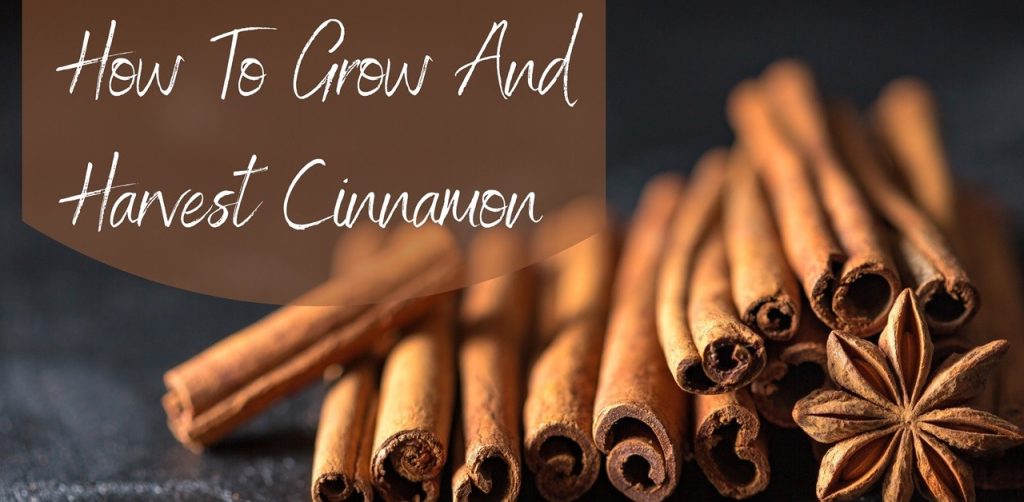
The simplest way to start a cinnamon tree is to buy a young one from your nearest nursery and follow the last three steps below.
Note:
- Cinnamon trees grow better in fertile, well-drained (loamy) soil with an acidic pH (4.5-5.5)
- It requires a spot with full sunlight
- Enrich the soil by adding compost
Growing from Seeds
- Soak the seeds for up to 24-48 hours
- Plant them about 1/2 inch deep in the soil in a small pot
- Water the seeds and cover the pot with plastic wrap (to maintain humidity)
- Place the pot in a warm, humid area with indirect sunlight
- Check the soil moistness daily and water the soil (as needed)
- Remove the plastic wrap from the pot once the seeds germinate (approximately 2-4 weeks)
- Wait for the seedlings to mature to a height of (approximately 4-6 inches) with a few sets of leaves
- Dig a hole (same in width and depth) as the root ball
- Remove the seedlings from the pot and transplant them into the hole
- Fill the hole with compost-mix soil and water it regularly
How to Propagate a Cinnamon Tree from Cuttings
If you want to grow your tree from the beginning, here is an easy guide to growing cinnamon from cuttings:
- Prefer a healthy, disease-free, and established cinnamon tree
- Select cuttings (semi-hardwood stems) about 6-8 inches long with a few leaves
- Place the cutting stems into a pot filled with compost-mix soil (bury the lower nodes deep into the soil)
- Keep the soil damp
- Place the pot in a warm, humid area with indirect sunlight
- Check for root development (it takes a few months) by gently pulling the cutting (resistance is a sign that roots have developed)
- Now, remove the cuttings from the pot gently and transplant them into your garden by digging a hole (same as the size of a root ball)
- Water the newly developed roots thoroughly to keep the soil moist
Harvesting
Did you know cinnamon trees take 2-3 years to grow? Yes! You need a lot of patience to grow them. But the joy is on the journey not the final destination, isn’t it? I love seeing my babies grow and the pride every time I harvest something I have worked hard on.
After a long wait, harvesting cinnamon is quite easy. You just need to follow the right steps:
- Cut the branches (1-2.5 cm) using a sharp knife/saw
- Scrape off the outer bark using a paint scraper to get its inner bark (edible part)
- Peel away the inner bark carefully
Tips:
- Careful when cutting the branches
- While peeling the inner bark, stop right away when you see a lighter part
- Clean the inner bark with a damp cloth to remove dirt
- Avoid direct sunlight to prevent discoloration
Storing Cinnamon
I usually grind the cinnamon sticks to a fine powder and preserve them in an airtight glass jar in my pantry.
Sometimes, when I am not in the mood to ground them, I put the sticks (dried) in a glass jar and break them into a few inches to add to my stews, soups, and herbal teas. It’s effortless to store this spice!
Tips:
- Place the harvested inner bark in a tray at room temperature for drying (will take 4-5 days). It will turn into quills
- Store your ground cinnamon or sticks in an airtight containers
- Choose a cool and dry area in your kitchen cupboard, away from heat or direct sunlight, to retain its aroma and taste
- Ground cinnamon has a shelf life of six months to a year
- Cinnamon sticks have a shelf life of 2-3 years
How to Consume Cinnamon
My kids are picky when it comes to food. All they want is the same bland food for their taste buds. As a mother, I always try to cook healthy dishes with a kick of spices and flavors in every bite, without them realizing it.
Let me share some cheat ideas for an ideal blend of health and flavor for your kids, too!
Adding to the Porridge
Are your kids still eating the same boring bowl of porridge every morning?
You can spice it up by adding a pinch of cinnamon, julienne-sliced ginger, a few walnuts, and honey to lift your plain porridge with a delightful flavor. If it is too much at once, start with a sprinkle of cinnamon and honey and slowly add more flavors. They will get used to it without even realizing it.
Sprinkle onto your Toast and Apple Juice
A plain slice of toast with a layer of peanut butter, thinly sliced bananas, and some cinnamon is a perfect combo of taste and nutrition. For me, this is comfort food at its best! It reminds me of lazy Sunday mornings!
Also, you can sprinkle some cinnamon in fresh apple juice with a few drops of lemon to boost iron absorption within your gut.
Add Cinnamon in Baking
I love baking, and my kids (and I) are crazy for cakes, muffins, and pies. What a perfect duo!
I bake cakes, cookies, pancakes, and brownies during their vacations, so I can freeze some for healthy homemade snacks that can easily fit in their lunch boxes back to school.
To add a bit of flavor, I use cinnamon in these easy-to-make muffins. My kids love having cinnamon muffins for breakfast, little do they know, these delicious muffins can also spice up their health.
Cinnamon Tea
I have a special place in my heart for herbal teas. I usually drink them on an empty stomach or after meals. They are like magic, improving my well-being in many ways.
Cinnamon tea’s antioxidant properties help prevent acne breakouts and protect the skin barrier.
How to Make Cinnamon Tea
Here is my cinnamon tea recipe:
- Add two cups of water to a saucepan and bring it to boil (3-5 minutes) on medium heat
- Add two small cinnamon sticks (or one teaspoon of ground cinnamon) to the boiling water
- Stir it, add a few slices of lime, and cook for three more minutes
- Pour the tea into a cup using a strainer and add a few drops of lemon for flavor
Spice Up Your Health and Beauty With Cinnamon
The information presented in this article is for educational purposes only and should not be considered medical advice. Always consult with a qualified healthcare professional before making any changes to your health regimen.