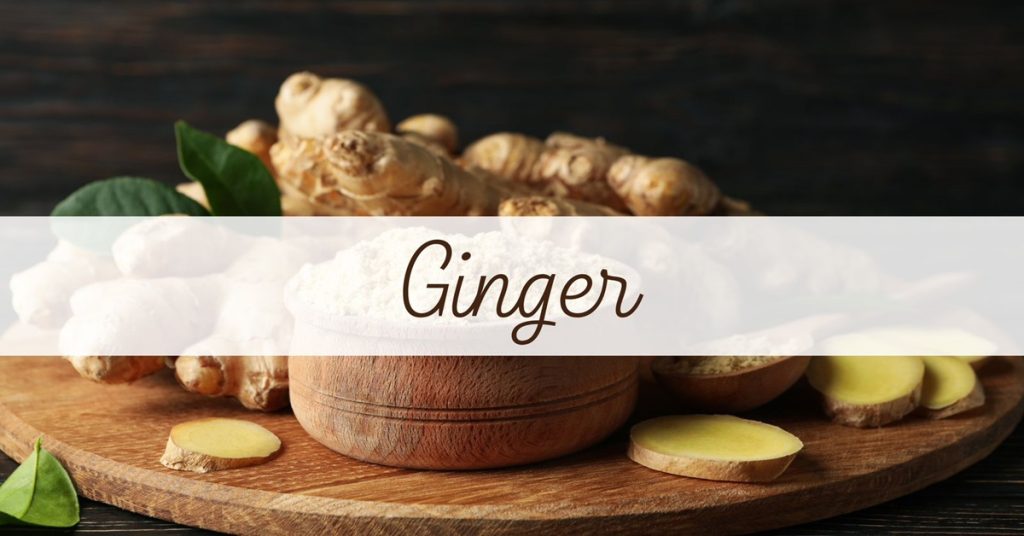
I have always loved ginger’s warm notes and spicy kick in my dishes. It elevates my meals with its flavors and my kitchen with its aroma.
I started growing ginger just because I love its taste so much. But having a whole plant in my garden is an incredible way to have herbal remedies accessible at hand!
It has become a much-needed spice in my kitchen. Thanks to its health-enhancing properties, it also elevates my culinary skills and health. Whether comforting an upset tummy, relieving muscle aches, or boosting immunity, ginger does it all!
Let’s explore how it can elevate our health and everyday meals.
In This Article
Characteristics
Here are the characteristics of this flavorful herb you need to know.
Classification
- Scientific Name: Zingiber officinalis
- Family: Zingiberaceae
- Kingdom: Plantae
- Class: Monocots
- Order: Zingiberales
- Genus: Zingiber
- Specie: Officinalis
Primary Characteristics
Roots: The fibrous roots are thin and extend outwards from the underground stem (rhizome), nourishing and sustaining the plant.
Stems: The herbaceous (leafy), thin stems grow above the ground (about 3 ft) and stand erect.
Rhizome: The underground stem is thick, firm, and knobbed with a brownish outer skin and pale yellow-to-white inner skin. This stem is often called the ginger root.
Buds: These small and rounded buds are the eyes of the plant capable of developing a new one. They are at the tips of the rhizomes used for propagation.
Leaves: The long (about 10 inches), narrow leaves are arranged in an alternative pattern on the leafy stems. These rich greens have a lance shape and smooth texture.
Flowers: The flowers are about 1 inch thick and 3 inches long, with cone-shaped spikes, vibrant yellow-green bracts, and purple-to-red markings. They add value to your aesthetic ornamental decor.
Secondary Characteristics
- Plant Type: Perennial (Herbaceous)
- Height: 3-4 ft
- Odor: Sharp, spicy, and aromatic
- Taste: Sweet and spicy with a warm sensation on the tongue
- Habitat: Southeast Asia
- Soil Type: Well-drained soil with slightly acidic to neutral pH
- Planting Time: Spring
- Part Used: Rhizome (underground stems)
- Substitute: Turmeric
Health Benefits of Ginger
Did you know ginger benefits your health exceptionally beyond its use in recipes? Yes, it enhances your daily recipes and promotes your health, too!
Here are the ten incredible health benefits.
Nutritional Profile
If you want to make your meals rich in nutrition, don’t forget this mighty herb!
Five grams of ginger are rich in:
- Calories (4.5 Kcal)
- Carbs (1 gram)
- Fiber (0.1 gram)
- Protein (0.1 gram)
- Fat (0 gram)
- Vitamin C (0.3 mg)
- Iron (0.1 mg)
- Potassium (25 mg)
- Sodium (0.7 mg)
- Calcium (5 mg)
Diabetes
Did you know you can manage your diabetes with only 2 grams (about 2-4 teaspoons) of ginger powder daily? The answer is yes!
It contains a compound, gingerol, that promotes insulin sensitivity in your body. Thus reducing fasting blood glucose and HbA1C (a blood test that monitors your average blood sugar over the past three months)
It also prevents diabetic-related complications.
Blood Thinner
This spicy herb is a natural blood thinner that prevents the formation of blood clots and fat deposition in the blood vessels. It also reduces cholesterol levels and enhances heart health.
It also treats high blood pressure and maintains your lipid profile.
Bones and Joints
Ginger rhizomes have anti-inflammatory and pain-relieving properties that eliminate joint pain, including back, knee, and shoulder pain.
It also treats muscle soreness and chronic bone and joint disorders (osteoporosis and osteoarthritis).
Manages Weight
Do you want to enjoy food while keeping your weight in check? If yes, add ginger to your diet!
Ginger’s bioactive compounds (gingerol and shogoal) help reduce appetite, stimulate metabolism, and burn fat, which can promote weight loss.
Tip: Ginger shots help you to lose weight!
Nausea and Indigestion
This potent herb is beneficial in relieving nausea, particularly morning sickness, seasickness, and chemotherapy-induced vomiting.
It stimulates metabolism and treats constipation, upset stomach, bloating and indigestion.
Fights Infections
The antimicrobial properties of ginger are effective against bacterial and fungal infections.
It fights infection and supports your immunity.
Irregular Periods
Are your irregular periods and unbearable cramps upsetting you? Ginger can tackle your irregular cycles, cramps, and nausea.
A 2012 study concluded that consuming 500mg capsules of ginger powder for five days reduces the severity of menstrual cramps by facilitating uterine contractions.
Besides, it can keep your irregular menstrual cycles and other associated symptoms on track.
Coughing
Can I add ginger powder to my chamomile tea? The answer is yes!
Their blend is beneficial for relieving cough, congestion, and runny nose.
Cancer
This mighty herb has potent properties (anti-cancer, anti-inflammatory, and antioxidant properties) that prevent the risk of cancer and tumors.
Research shows ginger is effective in colorectal cancers (a malignancy affecting the colon and rectum).
Side Effects of Ginger
Despite the incredible health benefits of this amazing herb, some individuals may experience its side effects.
It may cause when consumed in large amounts:
- Heartburn
- Nose bleeding
- Burping
- Oral or throat irritation
- Diarrhea
Is it Safe to Take Ginger During Pregnancy and Breastfeeding?
The answer is Yes! Ginger is recommended for nausea during pregnancy and is safe while breastfeeding. Ginger was a lifesaver when I was pregnant with my daughter, as I suffered from constant morning sickness for three months!
However, you should avoid it if you are taking blood thinner medicines.
Note: Consult your healthcare provider before taking ginger as a supplement or medicine!
How to Grow and Harvest Ginger
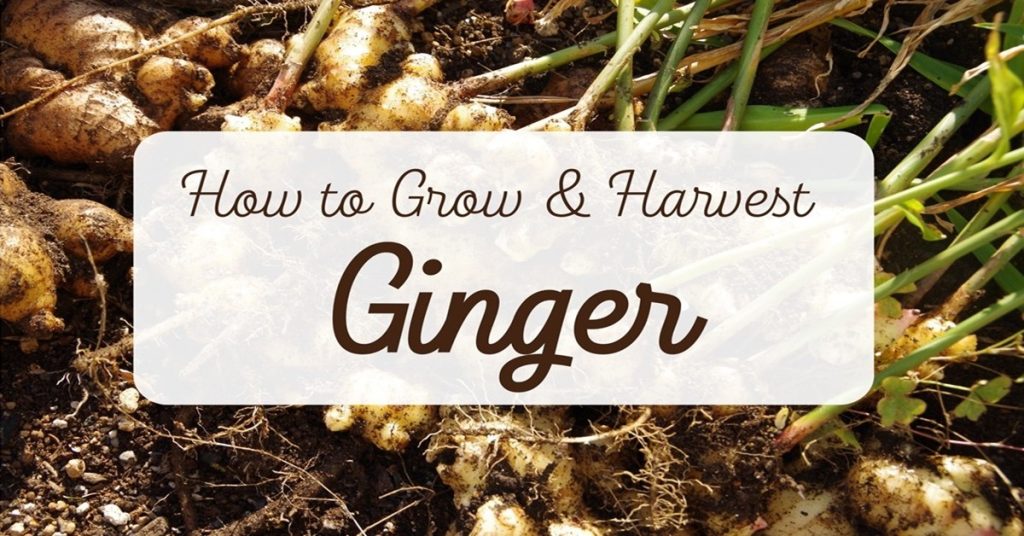
Even if you are new at homesteading or a beginner at gardening, ginger is an easy-going herb when it comes to growing and harvesting, and you can begin it at your home (follow these steps).
Growing Ginger
- It thrives in well-drained soil with slightly acidic to neutral pH and a partial sunny spot
- Add compost to your soil
- Plant your rhizomes about 2-4 inches deep with the eyes (buds) facing upward and 8 inches apart
- Water the soil thoroughly
- Wait for the green nodes to arise from the soil after a few weeks
Things to Remember Before Growing Ginger
There are a few things to remember while growing this mighty herb, and as a homesteader, I am happy to share my experience with you.
- Choose a fresh and organic rhizome that should be plump with at least 2-3 eyes (buds) on it
- Soak the rhizome overnight before planting to promote better growth
- Plant a whole rhizome or cut it into pieces. If you prefer to slice the rhizome, allow it to dry for two days to prevent rotting
- It can be planted as a houseplant (indoors) in pots. I like its look, with its tall and green foliage.
Harvesting
Harvesting ginger is simple!
Just dig up around the plant and collect the fresh rhizomes.
Note: Wait for about 8-10 months (after planting) to harvest rhizomes!
Storing Ginger
You can store it whole and unpeeled in your kitchen baskets (at room temperature, away from moisture).
If you peel some of the extras, don’t worry! Let it sit for two weeks in a ventilated area (for the drying method) and then make a fine powder (ground ginger). You can also blend them to make a paste.
Tip: Use a silicone ice tray to freeze your ginger paste. Grab one frozen cube and add it to your curries!
Easy-to-Make Ginger Shots
Have you ever started your day with a ginger shot? If not, try this easy recipe and make your own at home. It’s a cheaper option, and you’ll know what’s inside.
How to Consume Ginger
Ginger is one of my favorite herbs, and I love its zesty taste on my plate, and that’s how I use it in my diet.
Cooking
My stews and curries are incomplete without a julienne-sliced ginger (topping) and ginger paste as a base.
Baking
Ground ginger elevates my oven-fresh bread and cakes with its warm flavors.
Beverages
Ginger shots are my new herbal blend. They sound fancy but are very effective in controlling my weight and boosting my immune system.
I also enjoy a warm, invigorating tea made with ginger, turmeric, cinnamon, and nutmeg. It revitalizes my energy and sharpens my focus when I’m feeling a bit sluggish in the middle of the day.
Additionally, ginger ale adds a special touch to any cocktail barbecues, birthdays, and holiday gatherings with family and friends! For a delightful twist, mix ginger ale with your favorite rum to create a zesty, spicy, and bubbly cocktail.
Adding Ginger to your everyday routine is one of the best choices for your health!
The information presented in this article is for educational purposes only and should not be considered medical advice. Always consult with a qualified healthcare professional before making any changes to your health regimen.