As a dedicated homesteader, I am passionate about growing herbs and deepening my knowledge of their powerful health benefits. Incorporating herbs like lemon balm into my daily routine boosts my self-sufficiency and brings nature’s healing into my home.
Today, I’m excited to share one of my favorite herbs! With its vibrant flavor and amazing health benefits, this versatile plant is a must-have for your kitchen pantry.
Join me as we explore how this wonderful herb can transform your health in so many ways.
In This Article
Characteristics
Let’s explore the characteristics of this zesty plant.
Classification
- Scientific Name: Melissa officinalis
- Alternative Name: Sweet Balm, Bee Balm
- Family: Lamiaceae
- Kingdom: Plantae
- Class: Magnoliopsida
- Order: Lamiales
- Genus: Melissa
- Specie: Officinalis
Primary Characteristics
Roots: This plant’s fibrous rooting system spreads superficially, approximately 0.5-1.0 m. These light brown to tan-brown roots are thin and have a hair-like texture.
Stems: The square-shaped stems grow 50-100 cm (making a bushy appearance) and are green. The stems have a hairy and firm texture with upright branches.
Seeds: The oval-shaped seeds are tiny (about 1 mm) and have a smooth texture. They are dark brown to black.
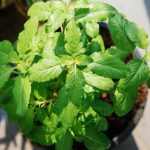
Leaves: The heart-shaped/arrow-shaped leaves are long (3-5 inches) and have toothed edges with a soft surface to the touch. They grow along the square-shaped stems in an opposite sequence. The bright green leaves give off a lemon-like odor when crushed.
Flower: The unnoticeable flowers are small (1 cm), creamy-white to pale yellow, and sometimes with a pinkish tinge. They are tube-shaped and originate from the nodes.
Secondary Characteristics
- Plant Form: Herb (Perennial)
- Height: 2-3 ft
- Odor: Sweet, citrus-like, and refreshing odor
- Taste: Citrusy and sour (like a lemon)
- Habitat: Mediterranean areas and Central Asia
- Soil type: Well-drained soil with acidic to neutral pH
- Planting Time: Early spring and summer
- Germination Span: 10-14 days
- Part Used: Leaves
- Substitute: Mint and Lemongrass
Health Benefits of Lemon Balm
Surprisingly, lemon balm is a powerful herb that can help with a variety of health issues.
It contains phytochemicals such as rosmarinic acid, phenolic compounds, and pleasant volatile oils, contributing to its diverse health benefits.
Let’s explore the health benefits of this incredible herb.
Stress, Anxiety, and Insomnia
Lemon balm helps your brain to cope with a stressful environment. It improves memory and other cognitive functions.
Its anti-inflammatory, antioxidant, and anti-depressant activities promote calmness, reduce stress, and support restful sleep.
Lemon Balm for Skin
Is lemon balm good for your skin? Absolutely! It is one of the natural remedies that can be a great addition to your skincare regimen.
This herb not only heals your skin but also reduces the signs of aging, perfect for skin problems such as:
- Wrinkles and fine lines
- Minor blemishes
- Acne
- Dehydrated skin
- Hyperpigmentation or dark spots
Fact: This herb contains rosmarinic acid, caffeic acid, and Vitamin C, which can be used as sunscreen and brightening toner.
Fights Infection
Lemon balm has antimicrobial properties that fight off infections and boost your defense system.
It is an effective herb against candidiasis or oral thrush (an oral fungal infection), herpes simplex virus-1 (a virus of cold sores), and other bacterial infections that target skin and kidneys.
Protects Your Heart
Did you know that lemon balm is a potent cardiac tonic?
According to a recent study, this incredible herb removes harmful substances from the blood, balances lipid (cholesterol) levels, and protects heart health. It also improves heart palpitation, lowers blood pressure, and reduces cardiac stress.
Relieves Menstrual Cramps
This refreshing herb has antispasmodic properties that relieve those unbearable menstrual cramps and promote better flow.
Tip: Drink lemon balm tea 2-3 days before your period to prevent cramps.
Healthy Gut
Is lemon balm good for the gut? Of course, it is!
Traditionally, this herb is effective for the management of major to minor gut issues, such as gastric ulcers, alcoholic-infused ulcers, damaged liver, bloating, and indigestion.
Side Effects of Lemon Balm
Consuming lemon balm in culinary for flavoring purposes is safe and sound.
However, it can cause possible side effects in some individuals when consumed in large amounts.
It includes:
- Headache
- Skin allergy or rashes (when applied topically)
- Increased appetite or upset stomach
- Dizziness
- Trouble breathing
Who Should Avoid Taking Lemon Balm?
Individuals should avoid it if they are:
- Allergic to herbs from the Lamiaceae family (holy basil, mint, lavender)
- Pregnant or trying to conceive
- Breastfeeding mothers
- Taking medications such as sedatives, antidepressants, and thyroid drugs.
How to Grow Lemon Balm
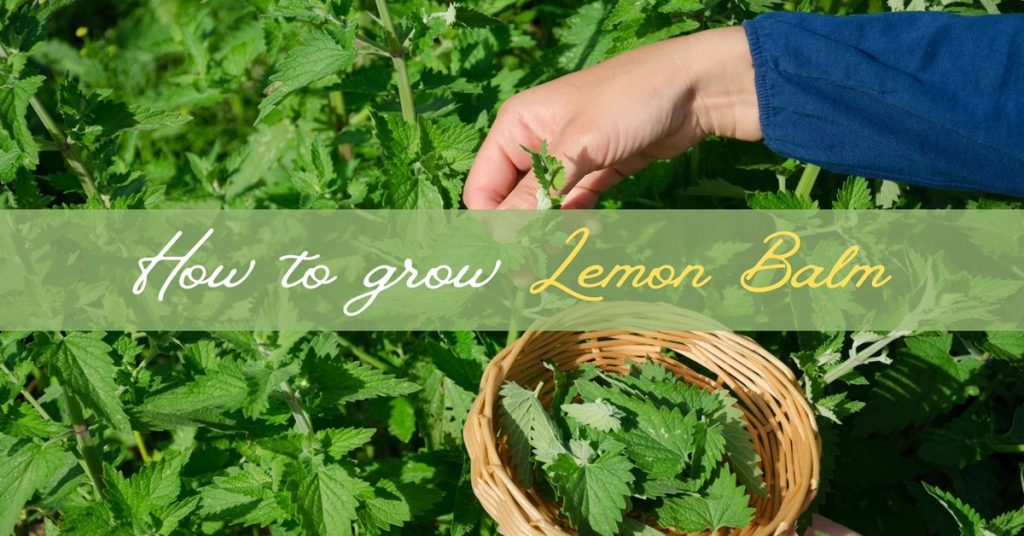
You can grow your lemon balm with this simple growing method:
- Sow the seeds in a well-drained, fertile soil with acidic to neutral pH in full sunlight
- Add an adequate amount of compost mix to your soil
- Water the soil until the seeds germinate into thin seedlings (2-3 inches tall)
- Space the seedlings about 16-18 inches apart
Note:
- You can also start growing lemon balm indoors about 4-6 weeks before the last expected frost
- Grow this plant using cuttings. Choose healthy cuttings of 5-7 inches and dip in rooting hormone (before planting them) for better results
How to Harvest and Store Lemon Balm
Harvesting
Simply harvest the fresh, bright green leaves when the plant reaches 6-8 inches.
Cut off the leaves from stems using pruning shears.
Storing
Storing lemon balm is quick and easy.
Here’s how you can store freshly harvested leaves for future use.
- Refrigerate/Freezing
- Air-drying method
- Tea bags (I prefer dried leaves for soothing tea)
- Tincture
- Herbal Salve
- Infused oil
Things to Keep in Mind When Storing Lemon Balm
Depending on what method you pick for storing this minty herb, you must keep a few basic things in mind to avoid disappointment later.
- Use zipper bags for refrigerating or freezing methods
- Chop off the leaves before freezing them
- Use air-tight, dark containers to store tincture and infused oil
- Avoid direct sunlight when air-drying the leaves
- Use carrier oil (I prefer olive and coconut oil) to make an infused oil
Consuming Lemon Balm: The Best Ways!
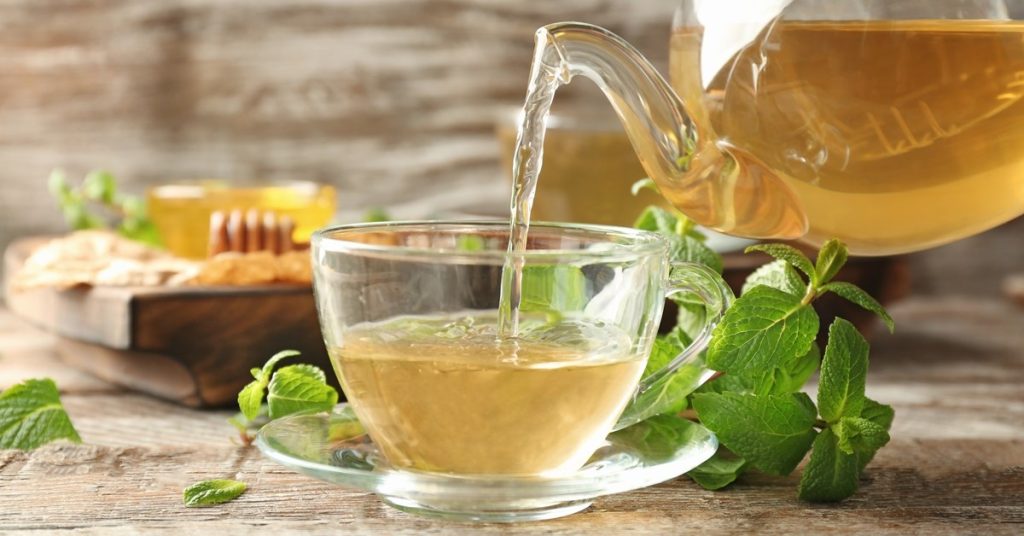
Do you want an extra citrusy kick in your chicken and fish platters? Scatter freshly chopped lemon balm leaves with black pepper and roasted garlic cloves.
Here are the best ways to consume this zesty herb.
- Tea and infusions
- Tincture or extract
- Fresh leaves to a bowl of green salad, pesto dip, and ice-cream toppings
- Syrup to a glass of chilled lemonade
- Desserts, cookies, and other baked goods
Revitalize Yourself with Lemon Balm!
The information presented in this article is for educational purposes only and should not be considered medical advice. Always consult with a qualified healthcare professional before making any changes to your health regimen.