Did you know that if you empty the inner flesh from a lemongrass stalk, you can create a natural drinking straw? Yes, you heard that right! That was my childhood simple and sustainable hack.
My mother often uses a fresh stalk as a natural drinking straw, giving regular smoothies a subtle, refreshing, and citrusy taste. She loves finding sustainable uses for plants, not just in cooking.
Despite being part of the grass family, lemongrass doesn’t taste earthy. Instead, it offers a delightful blend of zesty lemon and citrus flavors with a hint of grassy freshness. It’s truly scrumptious.
Let’s discover more about this zesty herb in this article.
In this article
Characteristics
Let’s dive into the characteristics of this zesty plant.
Classification
- Scientific Name: Cymbopogon citratus
- Common Name: Lemongrass
- Alternative Name: Oil grass or Citronella grass
- Family: Poacecea
- Kingdom: Plantae
- Class: Liliopsida
- Order: Poes
- Genus: Cymbopogon
- Specie: Citratus
Primary Characteristics
Roots
- The fibrous (thread-like) roots grow extensively underground (about 11 inches), forming a dense network that acts like a hotbed for water and other nutrients
- They have a sturdy texture with pale to light-brown hues
Stems/Stalk
- The stalks are long (2-4 ft) and thick (1-1.5 inches) and grow in clumps
- They are green from the top while pale-yellow to white from the base
- The stalks have a fibrous texture on the outside and are soft and fleshy on the inside
- They have a sharp, citrusy odor with a hint of grass
Seeds
- The seeds are tiny (2-4 mm) and elongated
- They are light brown to dark brown with a smooth and firm texture
Leaves
- The leaves are 2 ft long and 1-3 cm wide with blade-shaped and pointed tips
- These rich green leaves have a delicate, sharp-edged texture
- Like the stalks, they also have a citrusy odor when crushed
Flowers
- The leaves are often inconspicuous and small (1-3 cm)
- They grow in clusters (spike-like appearance) and have a pale-yellow to white color
- The elongated florets have a soft and delicate texture
Secondary Characteristics
- Plant Form: Perennial herb
- Height: 2-4 ft
- Odor: Lemon-like odor with sweet or grassy notes
- Taste: Sharp, citrusy taste with a slightly grassier hint
- Habitat: Southeast Asia, mainly tropical and subtropical regions
- Soil Type: Well-drained soil with acidic to neutral pH (6.5-7.5)
- Planting Time: Spring and summer (early)
- Germination Span: 14-21 days
- Part Used: Stalks (mainly) and leaves
- Substitute: Lemon Balm
Health Benefits of Lemongrass
Lemongrass contains vitamin C, antioxidants, and anti-inflammatory properties that benefit your overall health. With its citrusy taste and utmost health benefits, this herb helps you to upgrade your health!
Explore its incredible health benefits.
Diuretic
Lemongrass is a natural diuretic or water pill in holistic (natural) medicine. It facilitates the kidney’s functions to release toxins and unwanted substances from the body through urine.
It also aids in relieving the symptoms of urinary tract infections.
Lemongrass for Skin
Is lemongrass good for the skin? Yes!
This incredible herb contains citral, an anti-inflammatory phytochemical that reduces skin inflammation and fights infections.
This herb also benefits other skin conditions, such as:
- Dark spots
- Acne and breakouts
- Reduce excess amount of sebum (oil)
- Suntan or sunburn
Tip: Lemongrass essential oil purifies and detoxifies your skin!
Good for Oral Health
Lemongrass has antimicrobial properties that fight off fungal and bacterial infections in your oral cavity. It is beneficial for oral candidiasis or oral thrush.
It also relieves halitosis (bad breath) symptoms.
Cholesterol and High Blood Pressure
Did you know cholesterol and high blood pressure are the two common culprits of heart disease? But you can reduce these two by adding lemongrass to your diet!
This zesty herb contains antioxidants (limonene and geraniol) and vitamin C that aid in maintaining high cholesterol and high blood pressure, preventing you from heart diseases in the future, such as heart attack, stroke, and atherosclerosis.
As a diuretic, it releases excess sodium from the blood, preventing high blood pressure.
Pain and Cramps
Lemongrass, with its analgesic and anti-inflammatory phytochemicals (myrcene and citral), relieves muscle pain, menstrual cramps, severe headaches like migraine, and inflammatory conditions affecting joints such as arthritis.
Side Effects of Lemongrass
Lemongrass is LIKELY SAFE when consumed in food amounts, including the quantity typically used to make tea.
However, it can cause likely side effects in some individuals when consumed in large amounts.
It includes:
- Dizziness
- Dry mouth
- Increased urination
- Allergic reactions (rash or itchiness)
- Drowsiness
- Low blood pressure
- Weakness or fatigue
Who Should Not Take Lemongrass?
Individuals should avoid it if they are:
- Allergic to herbs from the Poaceae family (wheat, barley, rice, and corn)
- Pregnant or trying to conceive
- Breastfeeding mothers
- Taking medications such as sedatives and diuretics (water pills)
- Anyone with advanced heart, liver, or kidney disease.
How to Grow and Harvest Lemongrass
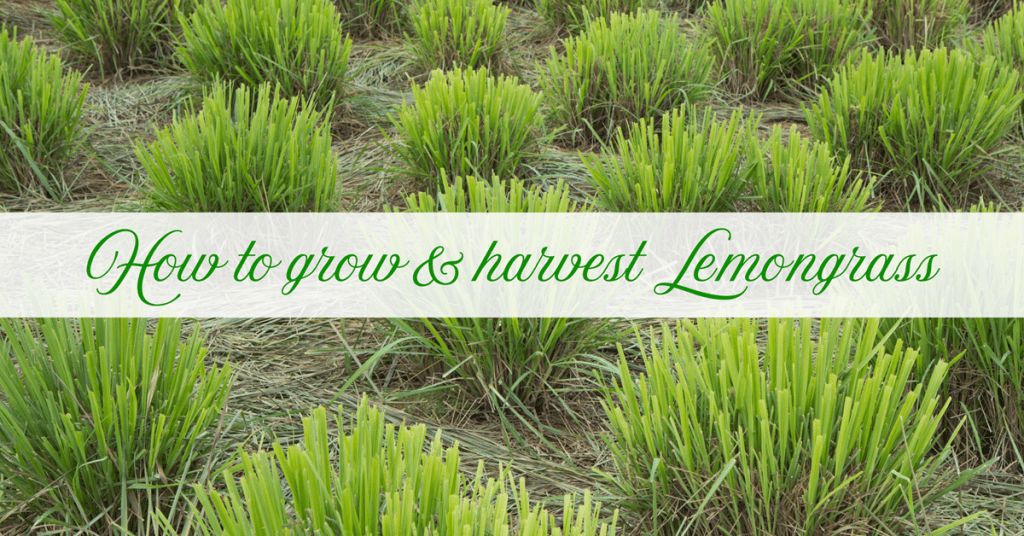
Many might think, can you grow lemongrass in a container? The short answer is yes!
This zesty herb does well in a container. However, I have mixed it in my regular herbal garden and haven’t had trouble with it.
Whether you choose your garden or a container, here is a simple guide for growing this zesty plant.
Growing
- Choose 2-3 healthy and young cuttings (plant stalk) with no signs of pest damage
- Place them in water for 2-4 weeks, changing the water every two days until the roots form
- Plant the rooted stalks about 2 ft apart in well-drained soil with an acidic to neutral pH
- Enrich your soil by adding compost to it
- Place your container in an area that welcomes full sunlight
- Keep the soil consistently moist (avoid waterlogging)
- Regular watering isn’t needed as this plant is drought-tolerant (when established)
Tips:
- If you prefer to grow this plant in a container, pick a large one, about 30cm wide
- Bring your container indoors during the winter season
- If you grow them in your garden, apply mulch (heavy layer) to protect your plant from frost
- You can grow lemongrass from the division of existing grassy clumps
Harvesting
Wear long sleeves or garden gloves before harvesting lemongrass. Pull thick stalks with swollen bases (including white ones) from the plant.
Prepare the harvested stalks by pruning the sharp-edged leaves. They should look like the stalks you buy from shops.
Keep the leaves – only the lower ones (4-6) – for later use.
Storing Lemongrass
Many might think, what is the best way to store fresh lemongrass? It’s in your fridge!
I am speaking here from experience; this herb stores beautifully in your fridge for 2-4 weeks.
Let’s explore other simple options to store this zesty herb.
Drying
Air-dry the stalks for two weeks. Use them as dried herbs or grind them to make a fine powder.
Store your dried herbs in airtight containers to use in the long run.
Freezing
Wash the harvested stalks and pat them dry. You can either chop them or freeze the whole stalk.
If you prefer to chop the stalks, place them in a freezer-safe bag and use them for up to six months.
Paste
Blend the freshly harvested stalks with equal amounts of honey, olive oil, and vinegar to make a paste. Store it in an airtight jar in your fridge.
It can last for one week. You can use this sauce as a base to make tasty sauces.
How to Consume Lemongrass
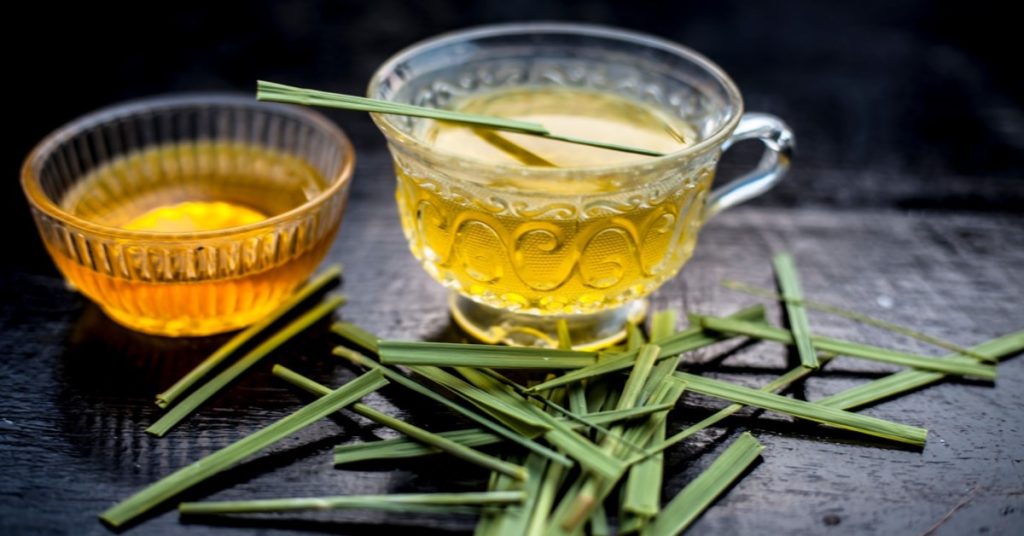
Do you like spicy food? If so, lemongrass can make your dishes delicious! It can add freshness, a citrusy taste, and a kick of grassy notes to your everyday meal.
Let’s explore how to consume this zesty herb.
- It pairs well with herbs like chili, garlic, coriander, mint, and cilantro
- It also blends well with meat, tofu, grilled fish, and vegetables
- Mince the stalks evenly and add to curries, soups, stews, and broths
- Try stalks in cocktails, syrups, and desserts (my favorite cakes and panna cotta)
- Use fresh (or stored) stalks for soothing herbal tea and flavorful iced tea
- Chop the stalks and add to salads and sauces or use as marinades or garnishing
Ready to boost your health with lemongrass? Discover its benefits for yourself and start feeling the difference today!
The information presented in this article is for educational purposes only and should not be considered medical advice. Always consult with a qualified healthcare professional before making any changes to your health regimen.