As a child, I always loved my grandmother’s kitchen, filled with the characteristic aroma of many herbs and spices. She loved mixed-green herbs, and dill was one of her favorites. I used to go to her place with my mother, and she always cooked tasty dishes for us. Good times!
I used to watch her from the kitchen corner, snipping the delicate, feathery leaves and sprinkling them into her famous cucumber salad and soups.
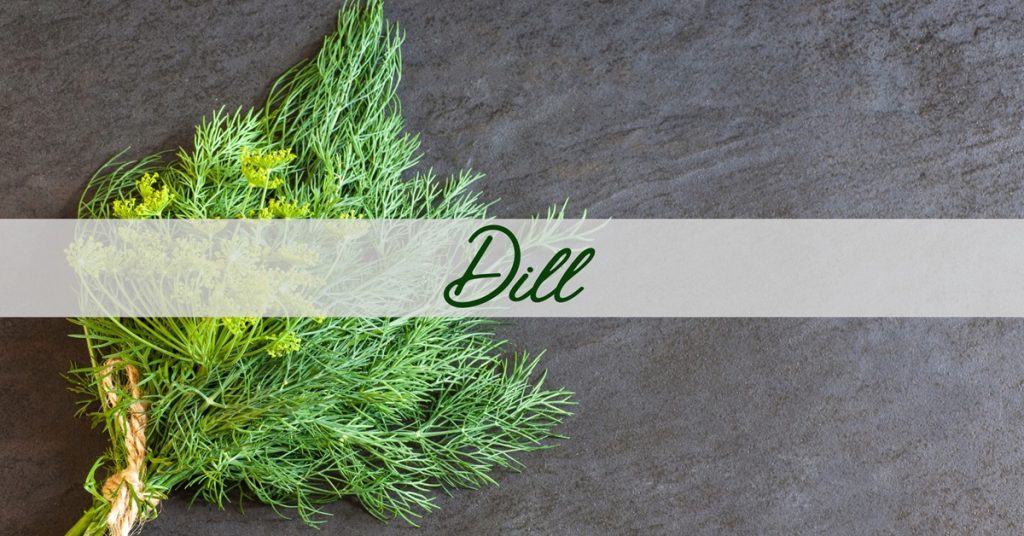
The dill (Anethum graveolens) plant, with its fresh aroma, vibrant green color, and citrusy taste, seemed almost magical to me.
Let’s discover this amazing plant with me.
In This Article
Varieties of Dill Plant
I know some of the varieties of dill plants from my town. It includes:
Bouquet Dill (Most Popular)
- It is known for its tall, feathery leaves and scented seeds
- It has a strong flavor that is used in culinary and pickling
Fernleaf Dill
- It is a dwarf variety that grows 18 inches tall
- It has delicate, feathery leaves used as a salad dressing and floral arrangement
Dukat Dill (AKA Tetra dill)
- It is similar to Bouquet Dill but has a slightly sweeter flavor
- It is wholesome for both culinary and medicinal purposes
Mammoth Dill
- It grows up to 5 ft (1.5 m) tall
- It has a strong flavor and is used for pickling
- It produces large seed heads that are perfect for harvesting
Superdukat Dill
- It contains a higher essential oil content, making it flavorful, and it is used in cooking and extracting techniques
Characteristics
Let’s have a look at the characteristics of the dill plant.
Classification
- Scientific Name: Anethum graveolens
- Kingdom: Plantae
- Class: Magnoliopsida
- Order: Apiales
- Family: Apiaceae
- Genus: Anethum
- Species: graveolens
Primary Characteristics
- Roots: The taproot system of dill’s thin roots invades deep into the soil to achieve more nutrients and water
- Stems: The hollow and slender stems (about 3-5 ft) are slightly fluted and stand upright with greenish pigments
- Seeds: The seeds are tiny (1/5 of an inch long) with a ridged texture and oval to flat shape (similar to fennel seeds). They are light brown
- Leaves: The delicately arranged leaves are long (5-10 inches) with a feathery texture very similar to fennel in appearance and taste like anise
- Flowers: The small, vibrant yellow flowers are tiny (1-3 1/2 inches) in diameter and form an umbel-like structure when the temperature turns hot. The flower heads contain numerous brown seeds
Secondary Characteristics
- Plant Form: Annual (Herbaceous)
- Height: 20 inches/ 2-4 feet
- Odor: Aromatic/Strong (hint like caraway)
- Taste: Fresh, slightly grassy and sweet (like anise)
- Habitat: Mediterranean region (Southwestern Asia and Europe)
- Soil Type: Well-drained, acidic to neutral soil (slightly)
- Bloom Time: Midsummer to fall
- Seed Germination: 10-14 days
- Part Used: Seeds and Leaves
- Substitute: Parsley and basil
Uses of Dill
That’s how dill is used in my household:
- Pickling
- Seasoning/flavoring
- Dill sprigs for a table centerpiece
- Dips/sauces
- Herbal Tea (of course)
- DIY herbal soaps/bath soak
DIY Bath Soak Using Dill
It’s refreshing to take a bath in a tub of herbal soak! Here is my version of a bath soak using dill.
- Add dried dill leaves, flowers, and seeds to a muslin bag
- Fill your bathtub with water and soak the muslin bag in it
- Now, enjoy your aromatic, gently infused herbal bath
Health Benefits of Dill
Dill is an extraordinary herb known for its immense health benefits and mouthwatering taste.
Here are the 5 most potential health benefits of dill.
Relieves Flatulence and Colic
Dill seeds work best for abdominal gas. However, colicky babies respond well to a dill infusion. It soothes their stomach and comforts the baby.
When my son was a premature baby, he suffered from colic for months! Among all the techniques I tried, dill tea seemed to give him some relief for at least a couple of hours. Such a lifesaver!
Note: Take dill seed infusion before each meal.
Bad Breath (Halitosis)
Do you still use chewing gums and mouthwashes to manage your bad breath and get no relief?
You can now say goodbye to your temporary bad breath by chewing a few dill leaves.
Its antimicrobial properties contribute to your oral health by preventing bacterial growth, which helps to control bad breath and gum infection.
Note: Chew dill seeds every morning for a refreshing breath!
Muscle Cramps
Dill contains compounds (monoterpenes and flavonoids) that possess anti-inflammatory properties by which you can get rid of those painful stomach cramps and menstrual cramps.
Note: You can drink herbal tea to relieve uneasy spasms by boiling a few dill leaves and seeds in 2 cups of water. (this tea will take 3-5 minutes).
Reduces Heart Disease and Stroke
This extraordinary herb is packed with antioxidants and flavonoids, protecting your heart health by reducing bad cholesterol and inflammation.
Supporting Bones
Dill is a source of minerals (calcium and magnesium), essential for supporting healthy bones.
If you are menopausal, add dill to your diet to reduce the risk of bone and heart diseases.
Side Effects of Dill
Based on scientific proof, consuming dill is safe and rarely causes any side effects.
However, I am here to make you aware of its side effects:
- Allergic reactions such as itching, redness and sneezing
- Throat swelling
- Skin irritation and sunburn
- Vomiting
- Oral pruritus (a condition associated with itching on the back of your tongue)
Who Should Not Consume Dill?
As an avid homesteader, I am confident about growing herbs, preserving foods, composting, and DIYs.
However, with a piece of knowledge, I can tell you to avoid this herb if:
- Pregnant (or trying to conceive)
- Breastfeeding
- Have fair/light skin (it can make you sun sensitive)
- Taking diabetes medication
How To Grow and Harvest Dill
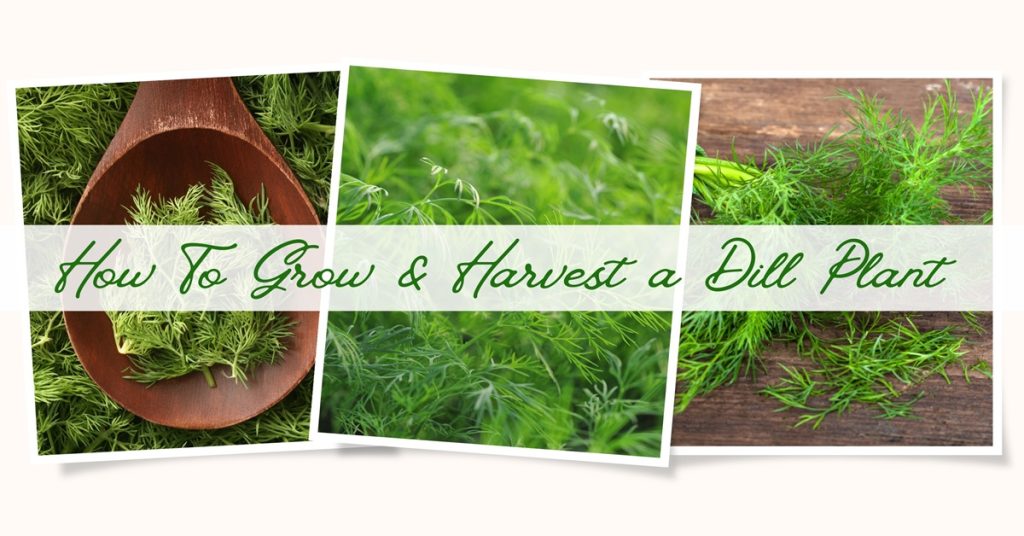
Growing and harvesting dill is a straightforward method.
However, you can harvest it throughout the season. This herb grows fast and can take any regular recipe to the next level with its flavor-packed leaves and seeds.
Growing From a Seed
- Dill thrives in well-drained, fertile soil with an acidic to neutral pH (5.5-7.0) and in rich sunlight (at least 8 hours of direct sunlight)
- Adding compost to the soil is a plus (remember, dill does not need frequent fertilizers)
- Implant the seeds directly into your garden about 1/4 inch deep and 12 inches apart in rows
- Water the soil consistently (make sure not to waterlogged) during the dry days
- Wait for the seedlings (about 10-14 days), then thin them to stand 11-12 inches apart
Growing Indoor
Many might think “Can I grow dill indoors in a pot?” Yes, you can grow it indoors. Let’s explore it step-by-step:
- Choose a pot that is deep (as deep as dill’s rooting system) and has drainage holes to prevent waterlogging
- Fill the chosen pot with well-drained, acidic to neutral pH, and compost-mix soil, pressing it down gently to remove air
- Plant the seeds directly into your pot about 1/4 inch deep
- Place the pot where it gets at least 8 hours of sunlight (I prefer a south-facing corner of my house)
- Keep the soil moist
- Wait for the seedlings, then thin them to stand 11-12 inches apart
Things to Keep in Mind When Growing Dill Indoors
After the seedlings grow, carefully transplant the plant into a larger pot or directly into your garden by digging a hole (like a root ball).
- Turn the pot upside down while sustaining the plant’s base with your hand
- Tap the bottom of the pot to facilitate the soil and slide the plant out (do this step carefully, or else you will damage its roots)
- Place the dill plant in a larger pot (or in that dug hole) and fill it with soil
- Water the transplanted plant gently and thoroughly
Harvesting
Leaves
- The best time to harvest the leaves is in the early morning (after the dew has dried)
- Try to harvest its leaves when the plant is about 6-7 inches tall
- You can use a sharp pair of scissors to snip the leaves real quick
Seeds
- Cut the vibrant yellow flower heads that ultimately turn into fruits (seeds)
- You can harvest the seeds during midsummer when the flowers bloom and begin to form seeds
- I prefer to store the seeds in an airtight container for future use and to grow more dill in my garden in the next season
Storing Dill
Trust me, storing your herbs and spices is no rocket science. You only need airtight containers from your kitchen cabinet and some simple techniques.
Once harvested, dill fades its characteristic odor and taste over time. However, this should not be a problem if you know how to store your freshly harvested herbs.
Here are some of my favorite techniques for storing it.
Hang-Drying
I have dried my dill foliage using the hang-drying technique. This simple technique will take a few minutes.
Tie a few leaves together using a string and hang them upside down in a warm, ventilated area of your house, away from direct sunlight.
Once they are dry, you can either grind them or store them as it is in an airtight container.
How to Dry Dill Seeds
- Once the seeds turn brown, cut the seed heads and put them in a paper bag
- Hang the bag (for two weeks) in a warm, dry area (away from the direct daylight)
- Once dry (seeds will fall into the bag), you can store them in an airtight container for a year
Refrigerate
- Rinse the freshly harvested leaves with cold water
- Pat them dry with a paper towel
- Wrap them in a damp paper towel and place them in brown paper
- Now refrigerate them (you can use it for a week)
Freezing
- Wash and dry the leaves thoroughly
- Spread the leaves on baking paper and freeze them until solid
- Transfer the frozen leaves to a freezer-safe bag and use it for up to six months
Cubes
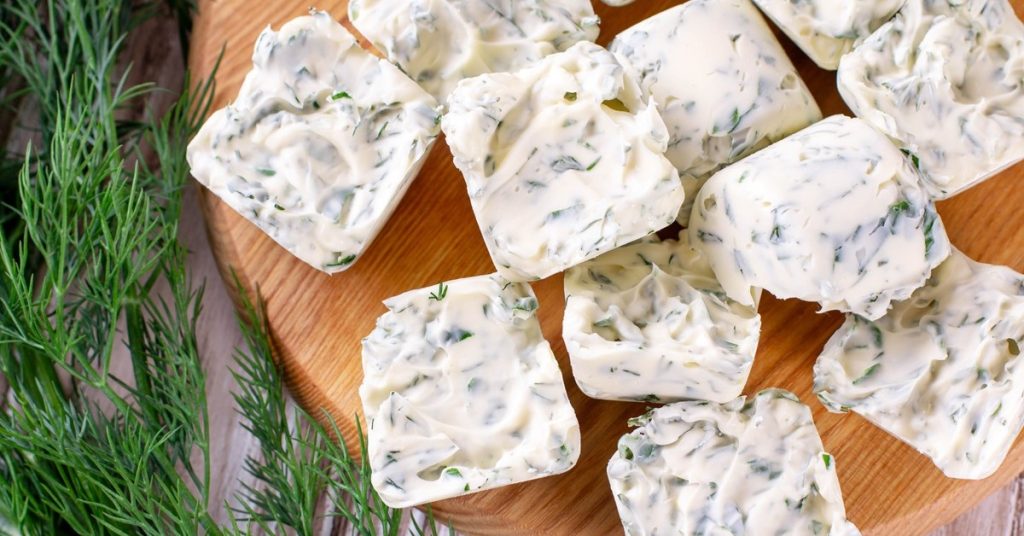
All you need to do for this impressive technique is:
- Chop the fresh leaves
- Place the chopped leaves in an ice cube tray, cover with any carrier oil (I prefer olive oil), and freeze until solid
- Transfer the cubes to a freezer-safe bag and use them within six months
How to Consume Dill
I love to sprinkle the delicate fresh sprig of dill over my favorite dishes (roasted chicken and juicy meat), just as my grandmother taught me when I was a child.
The burst of bright, citrusy flavor takes me back to the summer days spent with her, and I enjoy every bite of the memories we have created together!
Let’s get into it!
Dill Spinach Dip
My kids love this dill spinach dip! This dip can take your regular evening snacks to another level. Trust me, give it a try.
Dill Mint Ice Cubes
These cubes are perfect to beat the heat in summer. I make them for my family on hot days to recharge them.
Dill Infused Pickles
I add pickles to my comfort food, and it tastes heavenly good!
I use dill seeds for pickling and blend them with lemon, carrots, cucumbers, and raw mangoes.
Salads, Stews and Soups
Dried dill is a perfect seasoning blend for my hot stews and vegetable soup.
You can chop fresh dill sprigs and spread them over salads for a flavor burst. I love to pair them with cucumber, baby tomatoes, and mixed greens.
Dill Infused Oil and Vinegar
Let me tell you, infusing oil and vinegar is in my genes, and I love to do that! It’s simple and healthy.
I mix olive oil and fresh dill sprigs in a bottle and let it sit for a few days to allow the flavors to blend.
The same goes for the vinegar (I prefer apple cider vinegar), which I use for salad dressings, marinades, and roasted chicken and meat.
Cook with one Dill-icious sprig – Bon appetit!
The information presented in this article is for educational purposes only and should not be considered medical advice. Always consult with a qualified healthcare professional before making any changes to your health regimen.