Among my herb garden treasures, oregano is one of the most rewarding plants to grow. Every year, I watch my collection of culinary herbs flourish, each supporting my cooking and healthy lifestyle in its own unique way.
Oregano is one of the fragrant herbs that has been doing great all summer and has started to flower in the last few weeks. Tiny clumps of beautiful, vibrant purple flowers adorn this fragrant green plant, attracting many bees. I swear, there is never a second in a day when these blossoms are left alone.
If you’re already a fan of oregano, you know that its exceptional taste blends nicely with French and Italian cuisine. The herb tastes incredible when fresh and dries perfectly.
I’m excited to share more about this incredible culinary herb rich in fragrance and flavor!
In This Article
Characteristics
Let’s dive into the characteristics of this aromatic herb.
Classification
- Scientific Name: Origanum vulgare
- Common Name: Marjoram and Oregano
- Alternative Name: Spanish thyme, wild marjoram
- Family: Lamiaceae (Mint)
- Kingdom: Plantae
- Class: Magnoliopsida
- Order: Lamiales
- Genus: Origanum
- Specie: Vulgare
Primary Characteristics
Roots
- The fibrous roots with a branching appearance grow superficially and laterally
- They have a smooth and hairy texture with light brown hues
Stems
- The thin and sturdy stems are 10-30 inches long
- The young stems are square-shaped (in cross-sectional view) with a smooth, hair-like texture and herbaceous (green) appearance
- The mature stems are woody and brown
Seeds
- The seeds are tiny (1-2 mm) and ovoid
- They are dark brown to black with a smooth (to the touch) texture
Leaves
- The compact, oval, or egg-shaped leaves are 2-4 cm long and 1-3 cm wide
- The leaves are two-tone, bright green from above and pale green underneath
- They have a velvety texture covered with trichomes (plant hair)
- The leaves are arranged oppositely with slightly serrated edges
- The leaves emit a warm and camphor-like odor when crushed
Flowers
- The flowers are tiny (2-4mm), delicate, and tube-shaped with curved petals from the edges
- They grow in small panicles or clusters (inflorescence)
- They are pink, white, and pale purple with soft textures and thymol-like fragrances
Secondary Characteristics
- Plant Form: Perennial herb or subshrub
- Height: 1-3 ft
- Odor: Sweet, strong, and minty (hint of camphor)
- Taste: Warm and peppery with a lemony note
- Habitat: Mediterranean areas of Asia and Europe
- Soil Type: Well-drained soil with a slightly alkaline pH (6.0-8.0)
- Planting Time: Spring
- Germination Span: 7-14 days
- Part Used: Leaves
- Substitute: Dill and Basil
Health Benefits of Oregano
Did you know that in Ancient Greece, oregano was brewed as an herbal tea to manage colds and coughs? This ancient wisdom wasn’t just folklore – modern research confirms that this herb’s rich antimicrobial and antioxidant properties can benefit your health and lifestyle.
Here are five surprising health benefits of this potent herb.
Oregano Nutritional Profile
Did you know one teaspoon of ground oregano is rich in nutrients your body requires? Let’s explore the nutritional profile of this incredible herb.
- Calories (5Kcal)
- Fats (0.1g)
- Protein (0.2g)
- Fiber (1g)
- Carbohydrates (0.1g)
- Magnesium (5mg)
- Potassium (23 mg)
- Sodium (0.5mg)
- Iron (1mg)
- Phosphorus (3mg)
- Selenium (0.1μg)
- Vitamin A (2μg)
- Vitamin K (11μg)
Fights Infections
Oregano contains carvacrol and thymol, the two most potent antimicrobial compounds that fight body infections and promote better immunity.
When brewed as an herbal tea or used as an essential oil, this incredible herb relieves nasal or bronchial congestion and eases other respiratory symptoms.
Stimulates Metabolism and Weight Loss
Can oregano be used for weight loss? The short answer is yes! This flavorful herb has fiber that could help you stimulate your metabolism while shedding kilos.
It also treats excessive bloating, abdominal cramps, and hunger while controlling fat synthesis in your body.
Note: Oregano alone is not responsible for weight loss. Add this herb to your daily diet and exercise to achieve your target weight!
Rich in Antioxidants
Oregano leaves are rich in antioxidants, which help fight damage from your body’s free radicals (toxic substances) and reduce inflammation.
This incredible herb not only tackles chronic diseases that interfere with your health but is also beneficial for issues such as:
- High cholesterol
- Diabetes
- Inflamed joints and intestines
- Cancer
- Early aging
Minor Wounds and Cuts
Oregano essential oil is effective in healing skin wounds, cuts, and burns.
Applying its essential oil (diluted with tea tree oil) may help protect your skin from minor wounds and cuts.
Side Effects of Oregano
Oregano leaves are edible (in food amounts) with minor to no side effects, while its essential oil can cause some side effects you need to consider:
- Upset stomach, including diarrhea and vomiting
- Heartburn or acidity
- Allergic reactions (both orally and topically)
- Dysphagia (difficult swallowing)
- Miscarriage or preterm labor
Note
- Consult your healthcare professional before taking this herb as a medicine or supplement
- Dilute oregano essential oil with any carrier oil before using it
Who Should Avoid Oregano?
Individuals should avoid it if they are:
- Allergic to herbs from the Lamiacea family (lavender, sage, lemon balm)
- Pregnant or trying to conceive
- Breastfeeding mothers
- Taking medications such as anticoagulants (blood thinners) and diabetes medication
How to Grow Oregano
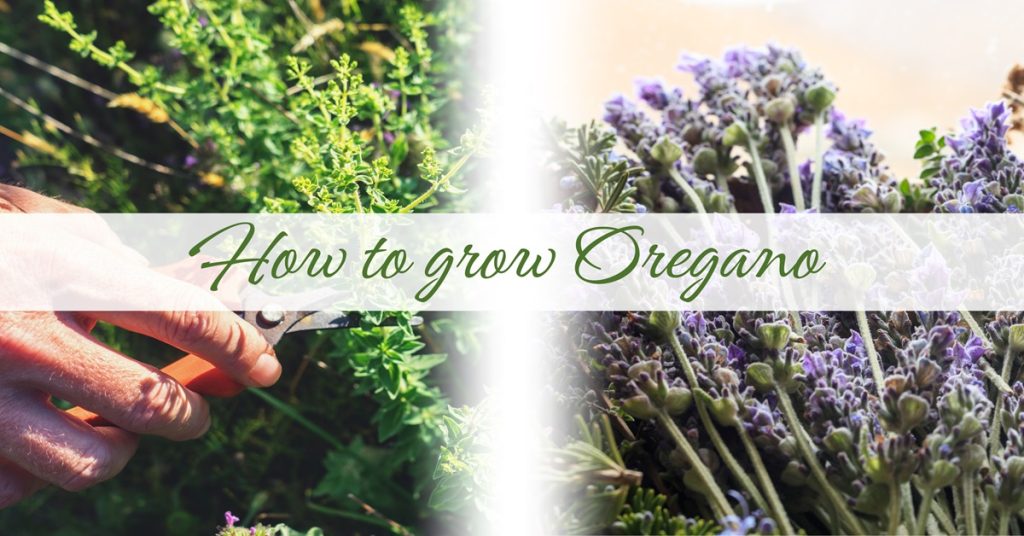
Are you a fan of fresh, fragrant herbs? If so, add oregano to your list and start growing this aromatic herb at home with this simple guide.
Growing
- Oregano thrives in well-drained soil with alkaline pH and full sunlight for at least 6-8 hours
- Add a compost to boost your soil (first things first)
- Sow the seeds indoors in pots, preferably terracotta pots, or directly into the ground
- Press the seeds slightly into the soil, needing room for light to germinate
- Water the soil gently (avoid waterlogging)
- Seedlings will grow in a couple of weeks. Space them about 10-12 inches apart as this herb forms a spreading clump
Note
- If you prefer to grow this plant indoors in pots, transplant the seedlings (once they have 3-5 sets of leaves or 11-15cm tall) into larger pots or ground by digging up a hole (as big as the root ball) and follow the above guide
- Once established, regular watering isn’t needed as this plant is drought-tolerant
- You can grow oregano from cuttings by planting them directly into the soil or splitting their clumps
Harvesting and Storing Oregano
Harvesting
I prefer mornings to harvest oregano when their oils are most intense.
Simply snip off the leaves from the stems. The most flavorful leaves occur before the plant blooms in the summer. So, if you plan to take twigs for drying, that’s the best time.
For a big harvest, cut the stems just above the plant’s lower set of leaves; this promotes new growth.
Note: Frequent pruning promotes bushier growth and prevents the plant from becoming leggy.
Storing
Here’s how you can store freshly harvested leaves for future use:
- Air or hang-drying method
- Herbal infusion or decoctions (best for cough and cold)
- Freezing (whole or chopped leaves)
- Ice cubes
- Tincture
How To Consume Oregano
Do you want a restaurant-style taste in your homemade food? There’s no secret to it! Cook with oregano and turn your meals into a five-star dish.
Here’s how you can consume this aromatic and flavorful herb in your dishes.
Dried Leaves
Dried leaves (flakes or grounded) pair well with pizza, pasta dip, tomato sauce, and homemade herbal bread.
Add oregano to your stews, baked chicken, and corn soup, and enhance their taste instantly!
Fresh Leaves
Freshly chopped leaves blend well with sauteed veggies, meat, and green salads.
You can consume leaves in tea, herbal brews, and decoctions.
Tip: Add dried leaves when you begin the cooking process and fresh ones at the end!
Elevate your cooking game and lifestyle with oregano!
The information presented in this article is for educational purposes only and should not be considered medical advice. Always consult with a qualified healthcare professional before making any changes to your health regimen.