During high school, I discovered a deep passion for medicinal herbs—their incredible benefits, and the joy of growing them myself. I guess you could say it’s in my genes! Among all the herbs I’ve nurtured over the years, peppermint has always held a special place in my homestead.
If you’re like me and love exploring natural remedies and homesteading, peppermint is a fantastic herb to start with. Not only is it versatile and beneficial, but it’s also a prolific grower—so prolific, in fact, that you’ll need to keep it managed, or it might take over your entire herb garden!
Luckily, with just a little effort, peppermint can provide an abundant harvest to stock your pantry all year long. Let’s discover this incredible herb together!
In This Article:
Varieties of Peppermint
Did you know that peppermint(Mentha piperita)is a natural hybrid? It’s true! This incredible herb is a unique cross of two delightful mint varieties, Mentha spicata (spearmint) and Mentha aquatica (water mint). Sounds unique, right?
Even more impressive, Mentha piperita has over 30 species, each with its own characteristic fragrance, colors, rich flavors, and a range of health benefits. t’s no wonder this versatile herb has captured the hearts of gardeners and herbal enthusiasts alike!
Here are a few of the most unique varieties:
- Black Mitcham
- Lavender mint
- Lime mint
- Banana mint
- Pineapple mint or apple mint
- Chocolate mint
- Orange mint or citrata
Characteristics
Classification
- Scientific Name: Mentha piperita L.
- Alternative Name: Mint, Black Peppermint
- Family: Lamiaceae
- Kingdom: Plantae
- Class: Magnoliopsida
- Order: Lamiales
- Genus: Mentha
- Specie: Piperita
Primary Characteristics
Roots
- This plant has shallow roots that spread extensively to form a dense mat of fibrous network (rhizomes) underground
- They are tan brown or pale yellow with a firm and hairy texture
Stems
- The stems are tall (90 cm), square-shaped, and develop in branches.
- The stems are reddish-purple or green with a smooth texture and hairy appearance
Seeds
- The oval-shaped seeds are black or dark brown
- They are tiny, approx. 1mm
Leaves
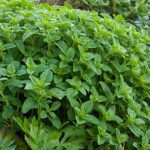
- The leaves are oval, long (10 cm), and half in width
- Each leaflet has serrated (zigzag) edges with bright green hues at the top and light green underneath with reddish veins
- The leaves are smooth and have a velvety texture with tiny oil glands that emit a sharp, minty odor when crushed
Flowers
- The flowers are tiny (8mm), funnel-shaped, and arranged in lush spikes at the top of the stems
- These flowers have light to pale purple or lilac pigment
- They have a delicate texture with tiny trichomes (fine outgrowths), making them fragrant
Secondary Characteristics
- Plant Form: Herbaceous (Perennial)
- Height: 3 ft
- Odor: Refreshing mint-like (think of breath mints)
- Taste: Strong, cool (aftertaste) with high menthol notes
- Habitat: Mediterranean regions (Middle East and Europe)
- Soil Type: Well-drained, moist soil with 6.0-7.0 pH
- Planting Time: Spring or late summer season
- Germination Span: 10-14 days
- Part Used: Leaves
- Substitute Spearmint or Basil (leaves)
Health Benefits of Peppermint
While peppermint has refreshing flavors, its exceptional anti-inflammatory, antispasmodic, and anti-hypertensive properties make it a valuable herb for natural remedies.
Let’s discover its science-backed health benefits.
Better Gut Health
Peppermint tea is the ultimate herbal blend. Its soothing properties ease stomach cramps (spasms) or discomfort and treat excess bloating, indigestion, and constipation.
It stimulates slow metabolism and promotes weight loss.
Improve Seasonal Allergies
Are you tired of dealing with sneezing and a runny nose? Allergies can be such a hassle, but don’t worry—peppermint might just be your natural remedy for seasonal relief!
This herb contains rosmarinic acid, which may reduce allergy-related symptoms such as itchy eyes, sneezing, and a runny nose.
Relieve Pain
An active phytochemical (menthol) in peppermint oil contains antispasmodic properties that naturally relieve pain by increasing blood flow while reducing muscle contraction to the affected area.
Its essential oil is effective in nerve pain (migraines and headaches) and joint and muscle pain such as arthritis and menstrual cramps.
Oral Health
This fragrant herb has menthol and menthofuran, which fight oral fungal infections and prevent bad breath.
Use two drops of peppermint essential oil with your regular toothpaste or mouthwash for better oral health.
Improve Sleep and Cognition
Like lavender, this fragrant herb has a calming effect on the mind. It may improve sleep, hyperactive mood, and cognition.
Peppermint tea is a natural caffeine-free drink and my ideal choice before bed.
Side Effects of Peppermint
Peppermint is a therapeutic herb that is likely safe for most individuals when taken in food amounts and rarely causes any side effects.
However, the essential oils may cause a few minor side effects:
- Heartburn
- Dry mouth
- Nausea
Who Should Not Take Peppermint?
Individuals should not take it if they are:
- Allergic to herbs from the Lamiacea family (oregano, rosemary, holy basil)
- Pregnant or trying to conceive
- Breastfeeding mothers
- Taking medications such as antacids (for heartburn) and anti-hypertensive drugs
How to Grow Peppermint
Peppermint is an easy, fast-growing plant that spreads aggressively. With the right approach, managing and growing can be simple.
Alternatively, you can grow peppermint indoors in garden pots for better control. To prevent it from overtaking your garden bed, try enclosing the roots (or cuttings) in a water-filled jar – an effective solution.
Keep fresh leaves at your fingertips yearly by growing this fragrant, refreshing herb with this simple growing guide.
- This herb grows in well-drained, fertile soil with 6.0-7.0 pH and approx. 6-8 hours of full sunlight
- Adding a single layer of compost a few times throughout the growing season will prevent your soil from depleting
- Sow the seeds about ¼ inch deep directly in the ground or start indoors
- Water your plant regularly until it starts germinating (10-14 days)
- Space the seedlings about 18-24 inches apart (between rows)
Homesteading Tip: If you prefer to plant peppermint directly in the ground, consider installing garden edging to keep it contained. Alternatively, if you’re using a pot, you can plunge it into the ground or place it inside a larger container for added control.
How to Harvest and Store Peppermint
Harvesting
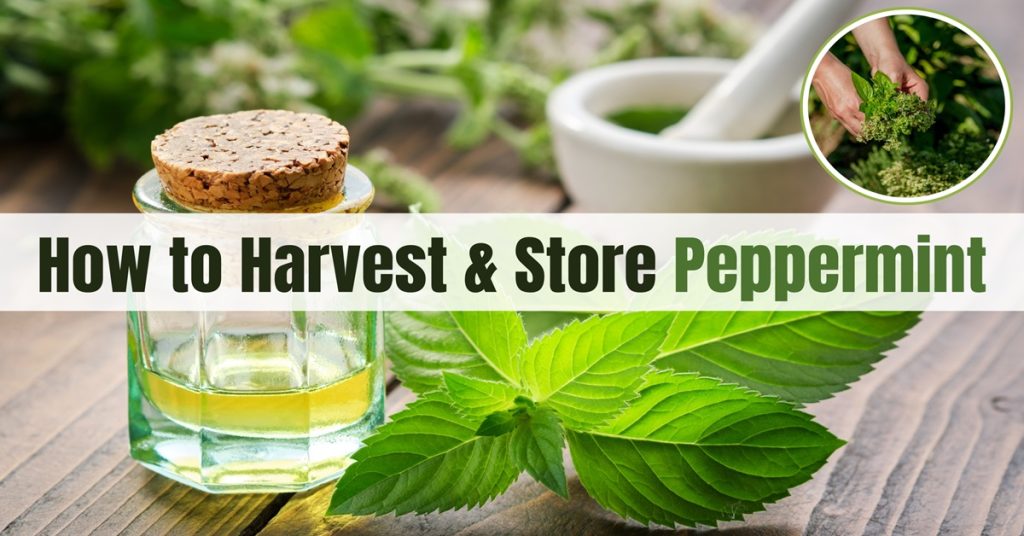
The best time to harvest your fresh peppermint is before the plant blooms (or when the plant reaches a height of 4 inches). Pinch the leaves in the morning when the essential oils are most intense.
A mature plant will provide a handful of 3-4 harvests during summer and fall.
Storing
After harvesting the leaves, rinse and pat them dry. You can then air-dry them (avoid direct sunlight) and grind them to make a fine powder.
You can also store the freshly harvested leaves in an air-tight container in your fridge.
However, you can store this refreshing herb by other techniques such as:
- Tincture
- Salve
- Infused oil and vinegar
How to Consume Peppermint
Peppermint is a common culinary herb consumed almost everywhere.
What I love about this herb is its refreshing fragrance, taste, and versatility, which make it a great addition to different dishes.
Here are my preferred ways to consume it:
- Beverages such as herbal blends (teas and decoctions), kombucha tea (effective for your gut), and mint margarita/mojito
- Tincture
- Marinades to my fish, meat, and chicken
- Tangy sauces
- Fresh Caesar salad
Add peppermint’s fragrant, refreshing delight to your lifestyle and embrace its endless benefits!
The information presented in this article is for educational purposes only and should not be considered medical advice. Always consult with a qualified healthcare professional before making any changes to your health regimen.